| gen: 2026/07/18:04:34 in 1 min 14.1 secbias: 6 (Center-Left) |
| type: eli5quality: 78 |
| pts: 0 |
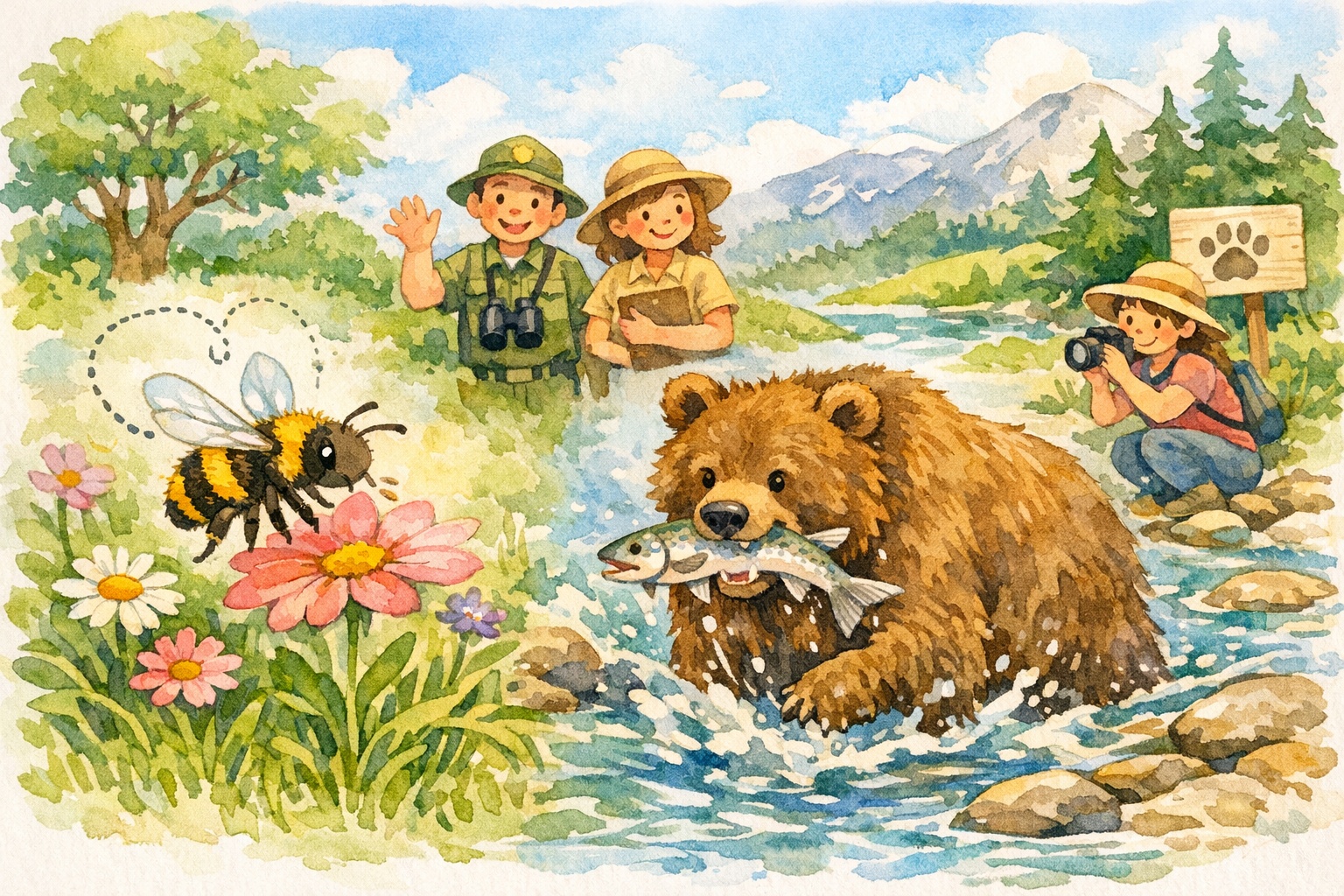
Hey there, little buddy! This is all about how some special animal friends, like little bees and big bears, need protecting so they don’t get into trouble in the wild. There’s a rule called the Endangered Species Act that helps them stay safe. Some grown-ups wanted to change how this rule works, but it might not happen because it's so important to help our animal pals.

Imagine a bee buzzing around a flower or a bear catching fish in a river. These animals need nice places to live, and that’s what these rules help with. There are grown-up helpers who make sure these special places stay safe and sound.

So, even if plans change, lots of people want to keep helping our animal friends so they can be around for lots of adventures!
 | author: | Unknown | institution: | The Conversation | ¿porque no los dos? |
| tl;dr | The article argues that the Trump administration’s 2019 rules weakening the Endangered Species Act (ESA) are unlikely to survive court challenges. It explains how the rules: remove default protections for newly listed “threatened” species, narrow the definition and reach of “take,” make it easier to consider economic impacts, limit how climate change and future habitat are weighed, and constrain critical habitat designations. The authors contend these moves conflict with the ESA’s text and Supreme Court precedents (e.g., TVA v. Hill and Sweet Home), and therefore are vulnerable under the Administrative Procedure Act. They predict injunctions and eventual reversals in federal court. | ||||
| deeper: | Content: Substantive, law-focused analysis of the 2019 ESA rule changes. It clearly describes several provisions (Section 4(d) default protections, economic considerations, critical habitat limits, climate-change-related forecasting) and connects them to statutory text and key precedents like TVA v. Hill (snail darter) and Babbitt v. Sweet Home. That legal grounding raises quality. Evidence: cites concrete rule changes and established case law, explaining why each could be struck down as arbitrary or contrary to the statute. However, it offers little space to the administration’s legal rationale beyond brief paraphrase, and the headline’s verb “gut” signals an advocacy stance. Tone: consistently critical of the rules and predictive about litigation outcomes; still, the arguments are reasoned and not conspiratorial. Overall: high informational value with moderate partisan tilt toward stronger environmental protections. | ||||
media: | |||||
Please log in to comment