You do not have enough generation points to submit. Git some!
| gen: 2026/10/24:22:10 in 32.1 sec (-1d)bias: 3 (Center) |
| type: lolsquality: 65 |
| pts: 0 |

 | author: | Leila Fadel | institution: | NPR | ¿porque no los dos? |
| tl;dr | Leila Fadel interviews retired Gen. Joseph Votel about potential additional U.S.-Israeli strikes on Iran. Votel argues that bombing can weaken Iranian capabilities but is unlikely to end the war alone. He calls for clear objectives supported by coordinated military, economic and diplomatic pressure, highlighting nuclear enrichment and reopening the Strait of Hormuz. He also warns that defensive interceptor supplies could constrain U.S. operations despite substantial offensive strength. | ||||
| deeper: | The interview uses measured language and probes military effectiveness, unclear goals and negotiations. Its framing privileges U.S. strategic interests, with no Iranian or civilian perspectives, but shows no clear partisan alignment. Votel’s expertise and explicit qualifications strengthen the analysis. However, claims about sanctions, oil supplies and nuclear weapons lack supporting evidence here. The headline promises discussion of an Israeli plan that the transcript barely addresses. These scores assess the visible text; the screenshots alone do not establish authenticity or verify the reported events. | ||||
media: | |||||
| gen: 2026/10/24:22:07 in 29.8 sec (-1d)bias: 3 (Center) |
| type: lolsquality: 75 |
| pts: 0 |
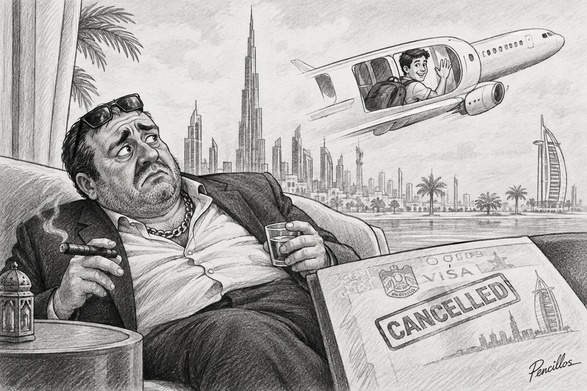
#organized crime#immigration#extradition#investigations#christy kinahan#daniel kinahan#kinahan cartel#uae#dubai#ireland وصول
| gen: 2026/10/24:22:04 in 35.8 sec (-1d)bias: 0 (Unknown) |
| type: lolsquality: 65 |
| pts: 0 |


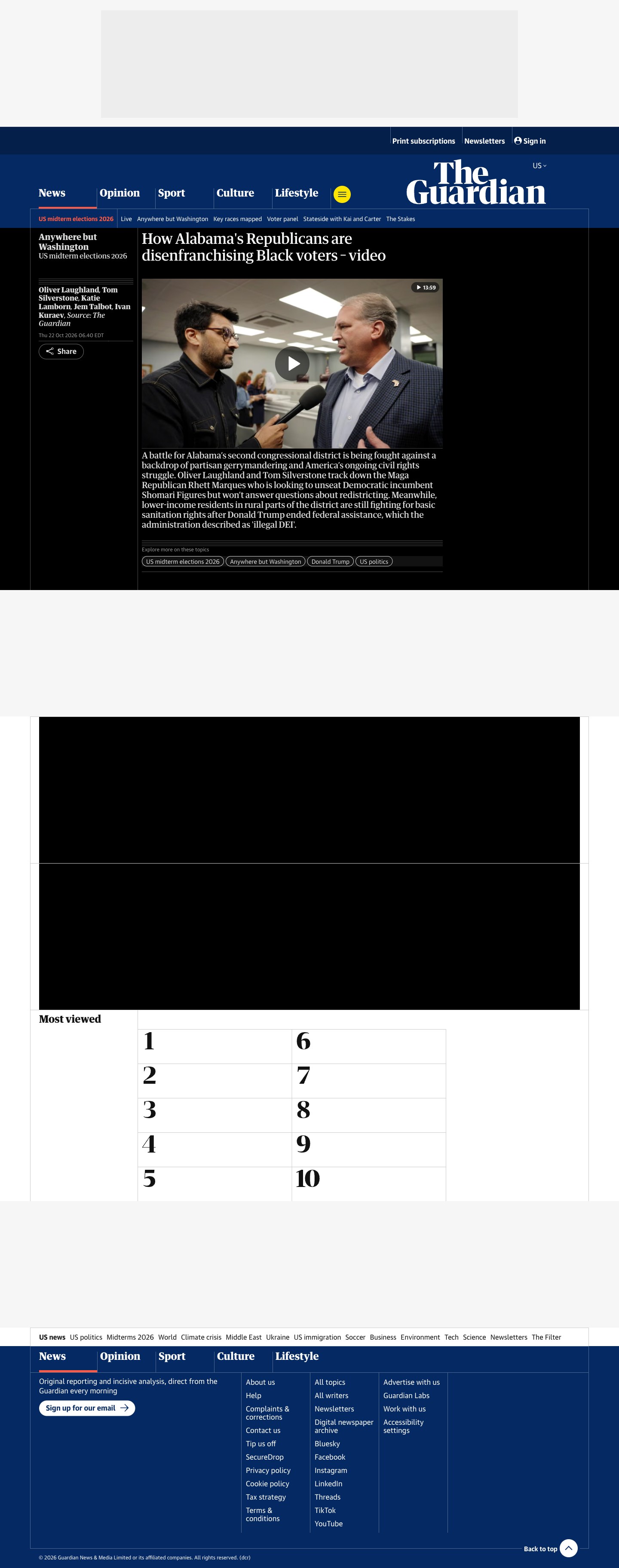
| gen: 2026/10/22:23:14 in 24.0 sec (-3d)bias: 6 (Center-Left) |
| type: newsquality: 58 |
| pts: 0 |
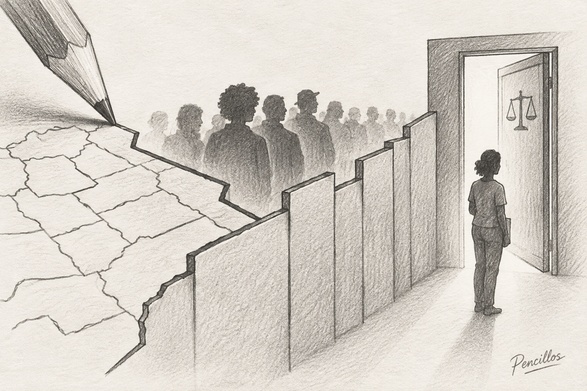
#alabama#voting rights#civil rights#elections#black voters#redistricting#gerrymandering#2026 midterms de
| gen: 2026/10/22:23:11 in 27.0 sec (-3d)bias: 3 (Center-Left) |
| type: newsquality: 87 |
| pts: 0 |
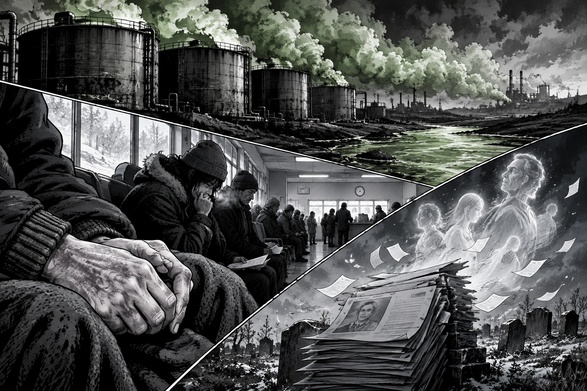
#nuclear waste#labor#health#justice#government#hanford#department of en#washington#workers' comp#worker safety#nuclear waste av
 | author: | Lizz Giordano and Brandon Block | institution: | ProPublica, co-published with Cascade PBS and KUOW | ¿porque no los dos? |
| tl;dr | The investigation reports that the Department of Energy repeatedly contests compensation for sick Hanford nuclear-site workers despite Washington laws easing eligibility. Citing state records, court filings and invoices, it identifies more than 500 appeals and nearly $12 million spent on lawyers and expert testimony. Workers and families describe years of financial hardship and uncertainty, including disputes continuing after workers die. The DOE says it follows applicable laws. The article also explains the legal framework, the agency’s arguments and possible state enforcement options. | ||||
| deeper: | The article’s emphasis on stronger worker protections and compensation gives it a modest center-left tilt. Emotional portraits and phrases such as “shift the blame” reinforce its worker-centered framing. However, substantial records-based reporting, disclosed data limitations, legal history and inclusion of DOE responses strengthen its credibility. It acknowledges the agency’s appeal rights and the Supreme Court’s rejection of the original law. More independent medical analysis and fuller explanation of appeal outcomes would help distinguish legal presumptions from proven medical causation. The supplied document ends before the final case study concludes. | ||||
media: | |||||
| gen: 2026/10/22:23:08 in 27.3 sec (-3d)bias: 4 (Center) |
| type: newsquality: 78 |
| pts: 0 |
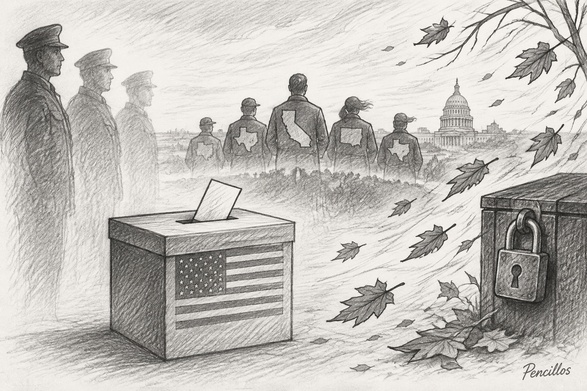
 | author: | Andy Mannix and Doug Bock Clark | institution: | ProPublica | ¿porque no los dos? |
| tl;dr | The article reports that Trump administration appointees asked CISA to secretly acquire and hack a voting machine, a request former officials say was not carried out. It argues that staffing cuts, reduced services and disclosure of sensitive information weakened election-security cooperation ahead of the 2026 midterms. State officials describe replacing federal support and losing trust in CISA. The White House defends its election-security record and information releases. The article reports concerns about future interference, not evidence that election results were altered. | ||||
| deeper: | The article favors professional, nonpartisan election administration, rather than a clearly left- or right-wing policy agenda. However, phrases such as “conspiracy-obsessed” and dramatic descriptions push readers toward its conclusions. Strengths include named experts, historical context, linked reporting, multiple witnesses and administration responses. Weaknesses include substantial anonymous sourcing and speculation about motives. The central hacking allegation lacks publicly presented documentary proof. These screenshots support evaluating the reporting’s presentation, but do not independently verify its claims or authenticity. | ||||
media: | |||||
| gen: 2026/10/22:04:10 in 24.4 sec (-4d)bias: 3 (Center) |
| type: newsquality: 62 |
| pts: 0 |

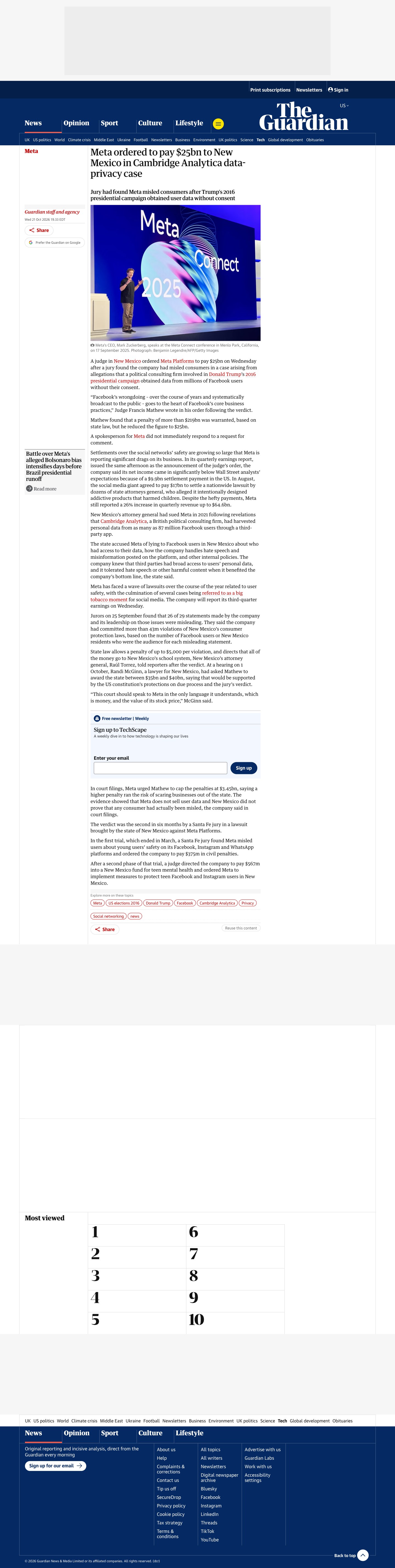
#privacy#technology#justice#social media#meta#facebook#new mexico#data privacy#cambridge data#donald trump w
 | author: | Guardian staff and agency | institution: | The Guardian | ¿porque no los dos? |
| tl;dr | The article reports that a New Mexico judge ordered Meta to pay $25 billion after a jury found it misled consumers about privacy and other practices. The case concerns Cambridge Analytica’s collection of Facebook user data without consent. It describes the penalty calculation, related lawsuits and financial consequences. Meta disputes that consumers were misled and sought a substantially smaller penalty. According to the article, the money would go to New Mexico’s schools. | ||||
| deeper: | The article emphasizes consumer protection and gives substantial space to the state’s accusations, but includes Meta’s legal defense and attributes strong criticisms. This is not clearly partisan. Detailed figures and named sources help, but the earnings timeline contradicts itself: results are described as both released and forthcoming. The subheading also conflates Trump’s campaign with the consulting firm identified in the body. These issues weaken precision; the screenshot alone cannot establish the report’s authenticity or verify its major claims. | ||||
media: | |||||
| gen: 2026/10/22:04:07 in 20.8 sec (-4d)bias: 5 (Center-Left) |
| type: newsquality: 55 |
| pts: 0 |
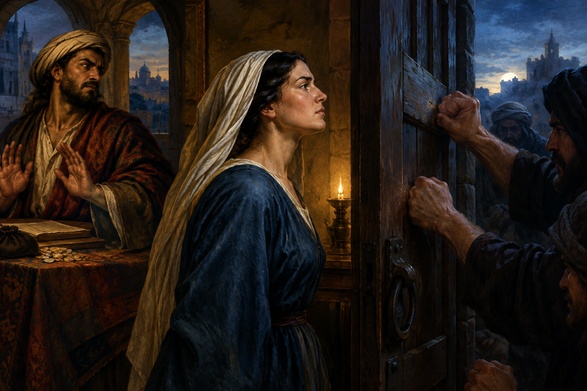
#politics#immigration#law enforcement#ilhan omar#donald trump#federal agents#search warrant#minnesota#fascism
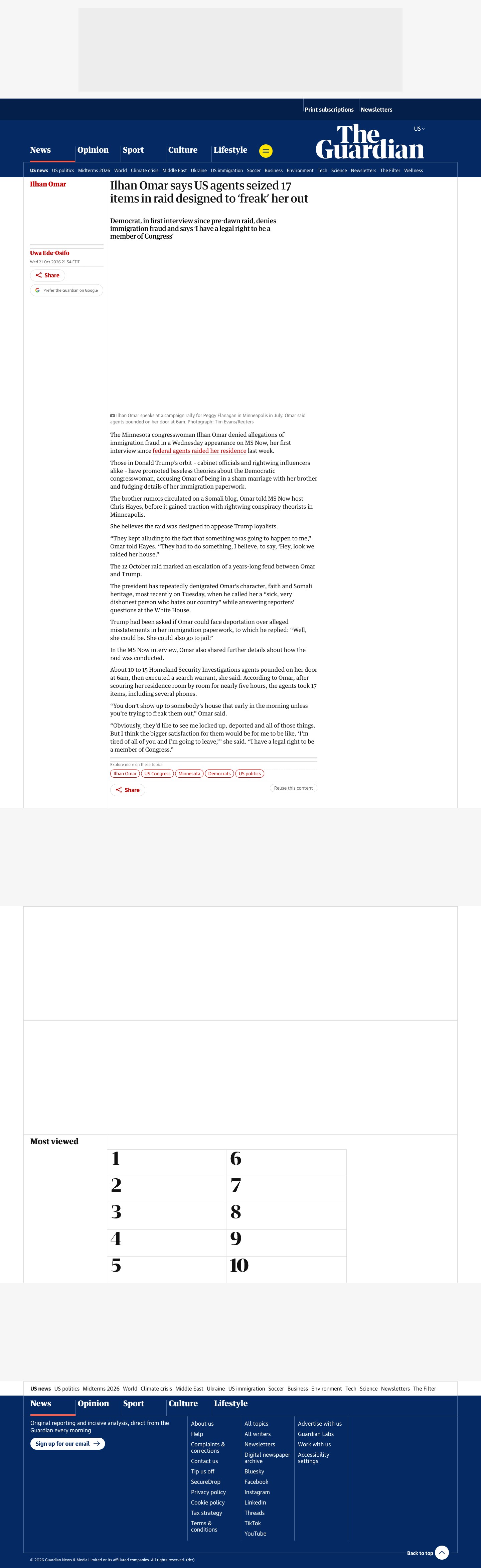 | author: | Uwa Ede-Osifo | institution: | The Guardian | ¿porque no los dos? |
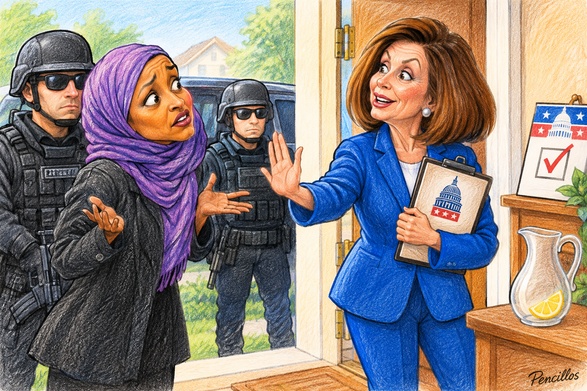
| tl;dr | The article reports Ilhan Omar’s claim that federal agents seized 17 items during a search of her home, which she describes as politically motivated intimidation. Omar denies immigration-fraud allegations and recounts an early-morning search involving 10–15 agents. The report places her account within her longstanding conflict with Donald Trump and quotes his remarks about possible deportation or imprisonment. The supplied screenshots do not independently establish that the reported raid occurred, and the visible article ends mid-sentence. | ||||
| deeper: | The framing favors Omar’s account and emphasizes protection from political intimidation and prejudice, suggesting a center-left perspective. Her allegations are generally attributed, and Trump’s comments provide some counterpoint. However, the visible text supplies no agency response, warrant details, or independent corroboration of the search. It calls the immigration theories “baseless” without presenting supporting evidence in these excerpts. Clear writing and named sources help, but limited verification weakens the reporting. Screenshot authenticity cannot be established from appearance alone. | ||||
media: | |||||
| gen: 2026/10/22:04:05 in 29.5 sec (-4d)bias: 5 (Center-Left) |
| type: newsquality: 73 |
| pts: 0 |

#supreme court#transgender#prisons#healthcare#donald trump#prison healthcar#hormone therapy#eighth amendment
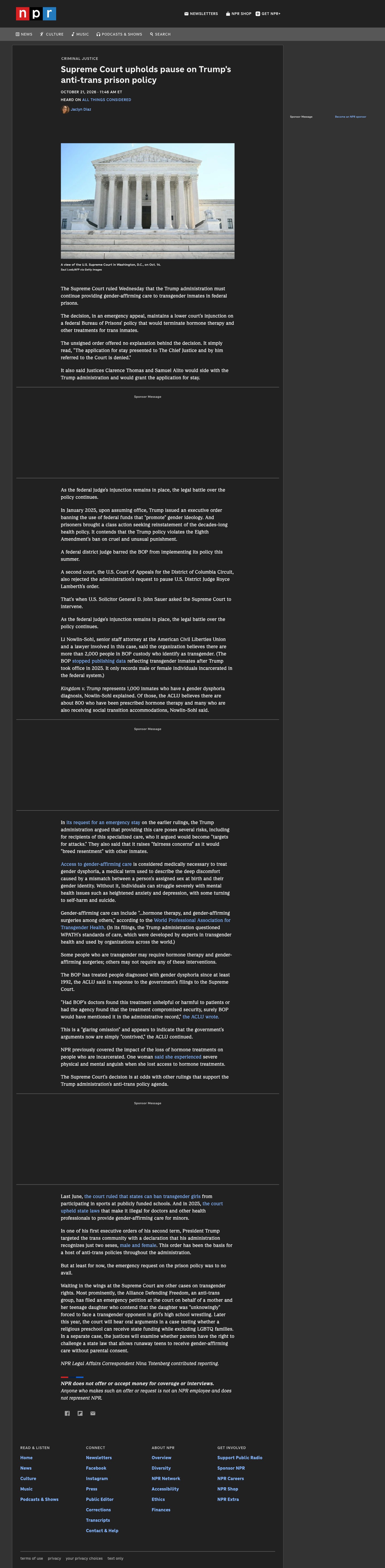 | author: | Jaclyn Diaz; Nina Totenberg contributed reporting | institution: | NPR | ¿porque no los dos? |
| tl;dr | The article reports that the Supreme Court declined to pause an injunction requiring federal prisons to continue gender-affirming care while litigation proceeds. Justices Thomas and Alito would have granted the administration’s request. Prisoners argue that withdrawing treatment violates the Eighth Amendment; the administration cites safety and fairness concerns. The article describes affected prisoners, medical guidance, and related litigation, emphasizing the potential harm of interrupting treatment. The decision does not settle the policy’s ultimate legality. | ||||
| deeper: | The article favors transgender healthcare access and civil-rights protections, supporting a center-left reading. Repeated “anti-trans” labels and greater emphasis on ACLU arguments create a clear editorial slant, although government objections are included. Strengths include quotations from the court order, links to filings, attributed population estimates, and medical context. Weaknesses include limited examination of the government’s legal reasoning, a duplicated paragraph, and an opening that sounds broader than the procedural decision described later. The screenshot alone cannot authenticate the reporting or linked evidence. | ||||
media: | |||||
| gen: 2026/10/22:04:02 in 17.3 sec (-4d)bias: 3 (Center) |
| type: newsquality: 52 |
| pts: 0 |
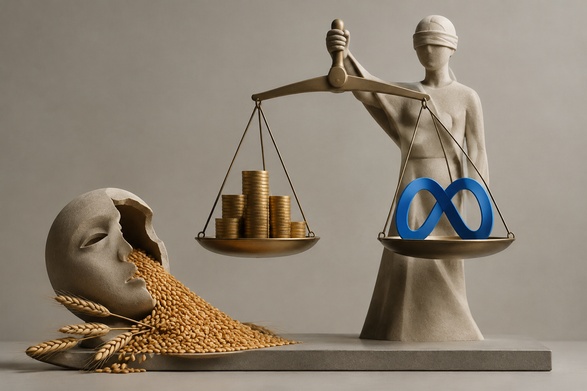
#privacy#technology#law#social media#meta#facebook#new mexico#data privacy#cambridge data#donald trump وال
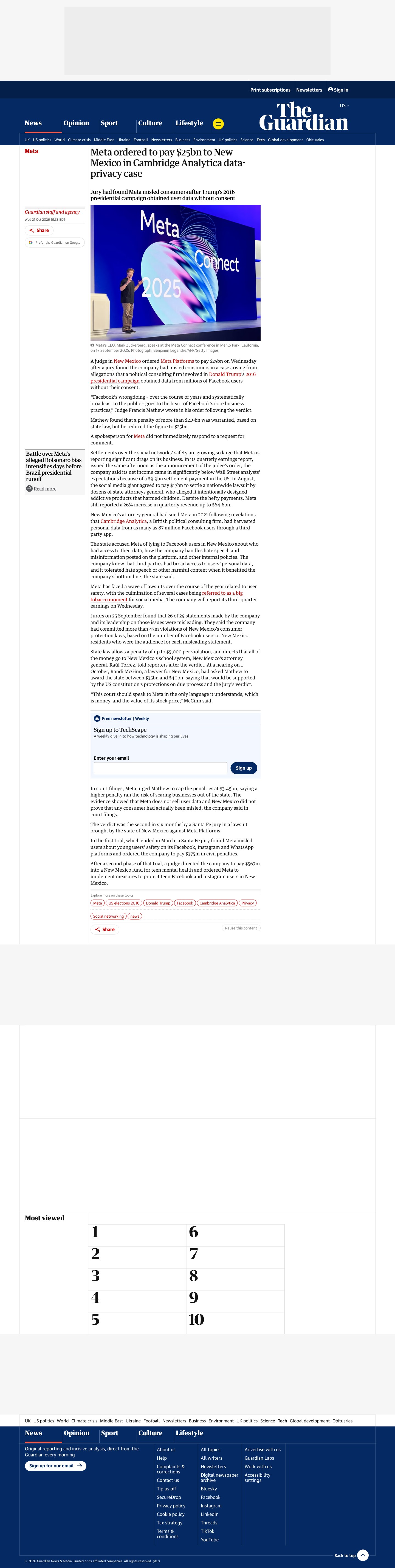 | author: | Guardian staff and agency | institution: | The Guardian | ¿porque no los dos? |
| tl;dr | The article reports that a New Mexico judge ordered Meta to pay $25 billion after a jury found it misled consumers about privacy and platform practices. It connects the case to Cambridge Analytica’s collection of Facebook data and describes broader litigation over user safety. State officials argue substantial penalties are necessary; Meta disputes that consumers were misled and sought a smaller penalty. The reported award would benefit New Mexico schools. The screenshot’s claims are not independently verified, and its earnings-report timeline is inconsistent. | ||||
| deeper: | The reporting emphasizes consumer protection and gives officials’ criticisms more prominence than Meta’s defense, but includes both sides and generally attributes allegations. These choices do not establish a clear partisan position. Specific figures and court quotations add detail, but the article says earnings were already released, then says they will be released Wednesday. The subheading also conflates the Trump campaign with the consulting firm identified in the body. These inconsistencies weaken precision; the screenshot alone cannot authenticate the unusually large penalties. | ||||
media: | |||||
| gen: 2026/10/22:04:01 in 30.1 sec (-4d)bias: 4 (Center) |
| type: newsquality: 79 |
| pts: 0 |
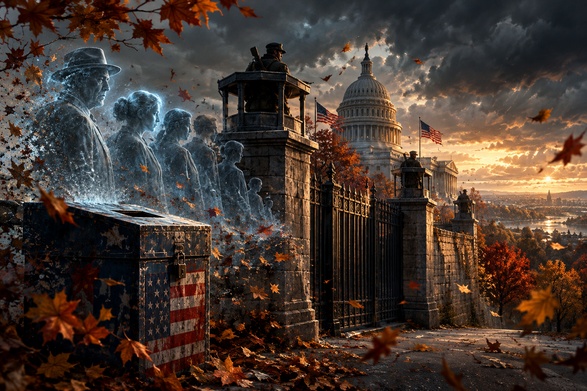
#elections#cybersecurity#government#public trust#donald trump#cisa#dhs#voting machines#2026 midterms
 | author: | Andy Mannix and Doug Bock Clark | institution: | ProPublica | ¿porque no los dos? |
| tl;dr | The article reports that Trump administration appointees asked CISA to secretly obtain and hack a voting machine, a request former officials say was not carried out. It describes staffing cuts, reduced election-security assistance and disclosures of sensitive information that allegedly damaged cooperation with states ahead of the 2026 midterms. State officials say they have developed their own safeguards. The White House defends its election-security record, while CISA’s published plan promises continued support. | ||||
| deeper: | The reporting provides substantial historical context, named experts, linked records, multiple-source accounts and administration responses. It clearly notes that the hacking request was not executed. However, anonymous sources underpin the central allegation, and language such as “conspiracy-obsessed” and dramatic descriptions sometimes blur reporting with judgment. Sources overwhelmingly favor CISA’s previous approach. Its affirmative emphasis is professional, nonpartisan election administration, not a distinctly left- or right-wing agenda. The screenshots alone cannot establish the authenticity of the page or independently verify its claims. | ||||
media: | |||||
| gen: 2026/10/22:04:01 in 25.7 sec (-4d)bias: 3 (Center) |
| type: newsquality: 78 |
| pts: 0 |

| gen: 2026/10/21:02:35 in 24.2 sec (-5d)bias: 4 (Center) |
| type: newsquality: 65 |
| pts: 0 |
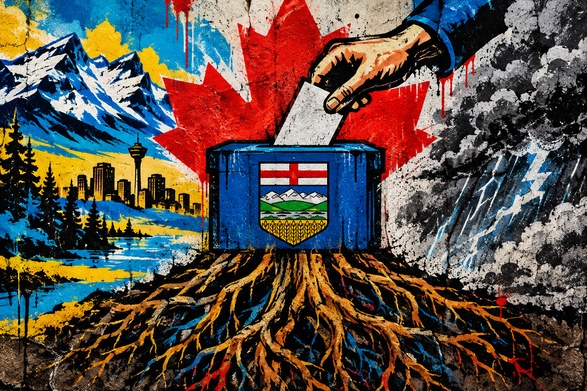
 | author: | Leyland Cecco | institution: | The Guardian (as presented) | ¿porque no los dos? |
| tl;dr | The article reports that unofficial results show 76% of Alberta voters supporting remaining in Canada and 24% backing a process toward separation. It presents the outcome as a victory for Canadian unity, welcomed by Mark Carney and several Conservative leaders. Separatist figures express disappointment but pledge to continue campaigning, potentially challenging Danielle Smith’s leadership. The article also discusses turnout, voting delays and economic uncertainty. The screenshots are dated 20 October 2026; their authenticity and reported results cannot be independently established from the images alone. | ||||
| deeper: | The framing favors Canadian unity through celebratory photographs, prominent federalist quotations and criticism of referendum costs. Separatists receive space, but their substantive arguments get little explanation. This is a pro-unity slant, not clearly a left–right one: Liberal and Conservative voices support the same outcome. Strengths include numerical results, named sources and acknowledgment that results are unofficial. Weaknesses include missing exact ballot wording, an unexamined $130m cost claim and limited support for political assertions. The headline also simplifies a vote the body says was not explicitly about independence. Authenticity remains unverified. | ||||
media: | |||||
| gen: 2026/10/21:02:34 in 20.6 sec (-5d)bias: 4 (Center) |
| type: newsquality: 52 |
| pts: 0 |
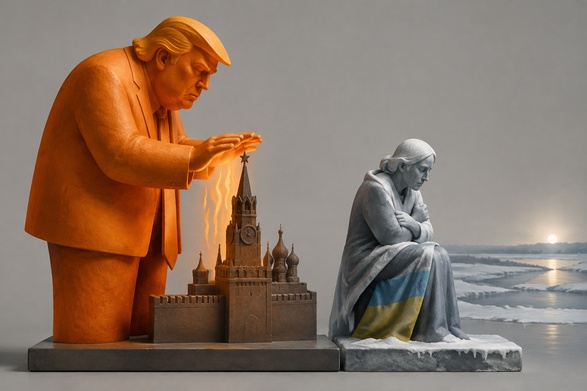
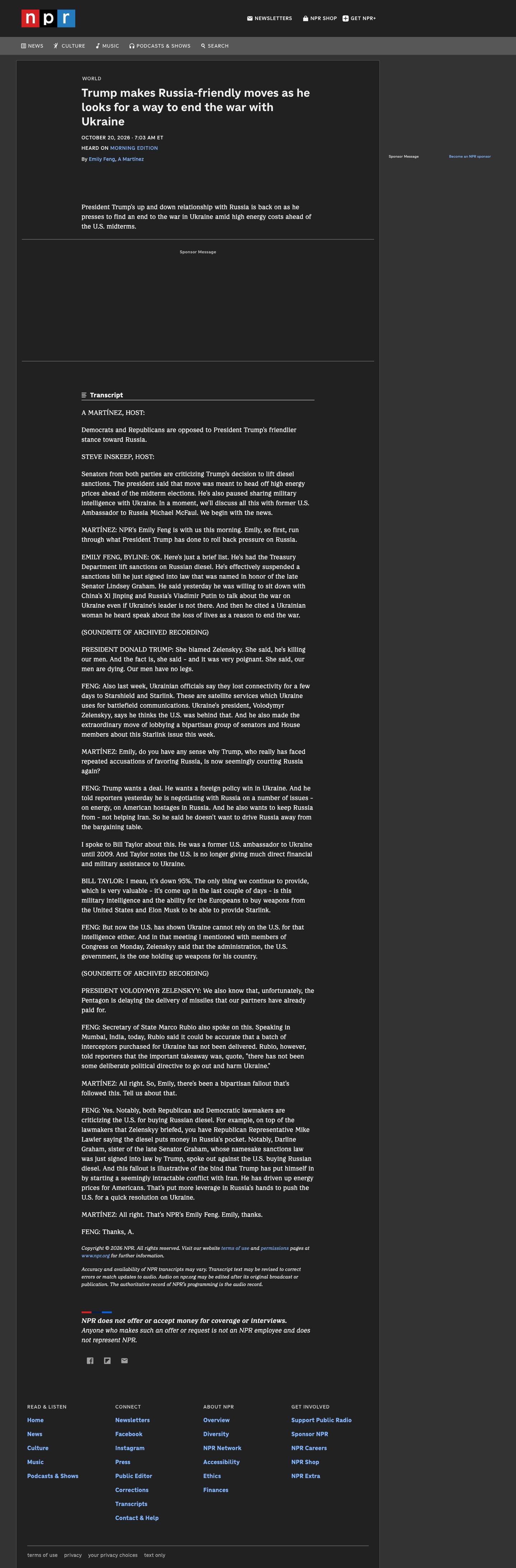
| gen: 2026/10/21:02:34 in 25.1 sec (-5d)bias: 2 (Center) |
| type: newsquality: 65 |
| pts: 0 |
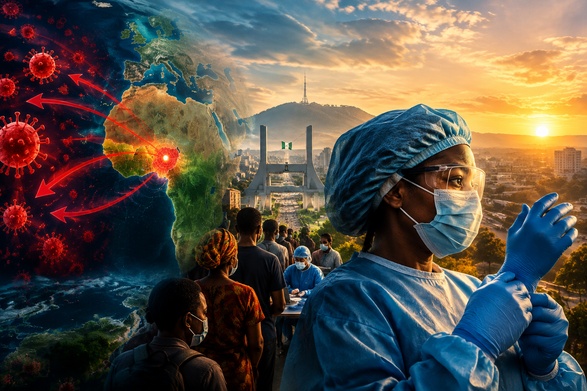
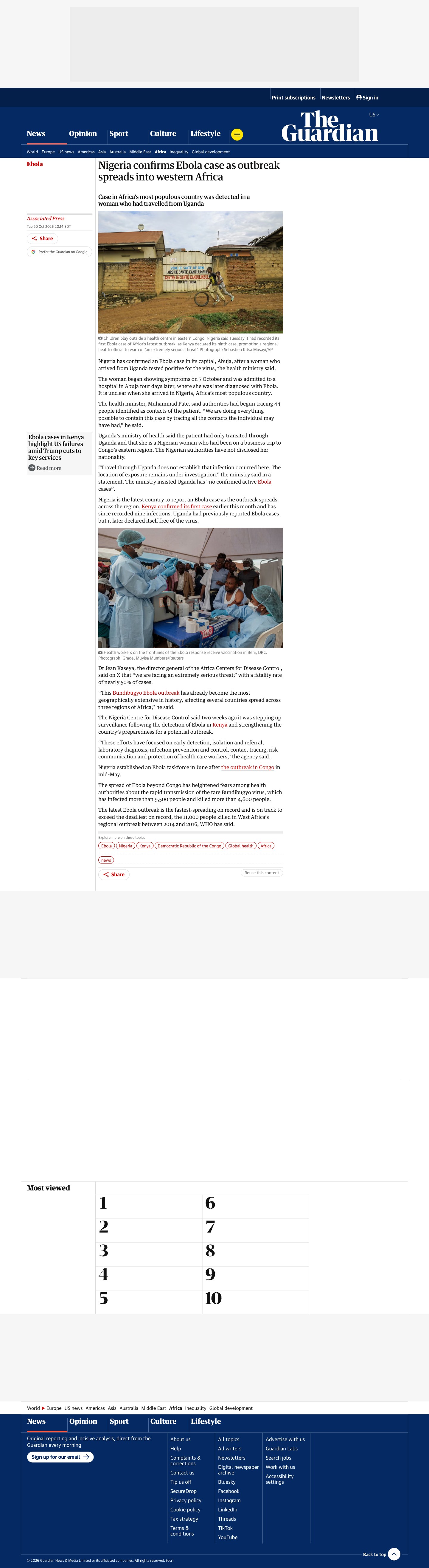
| gen: 2026/10/18:20:53 in 27.5 sec (-7d)bias: 3 (Center-Left) |
| type: newsquality: 83 |
| pts: 0 |


| gen: 2026/10/18:20:52 in 25.3 sec (-7d)bias: 3 (Center-Left) |
| type: newsquality: 73 |
| pts: 0 |
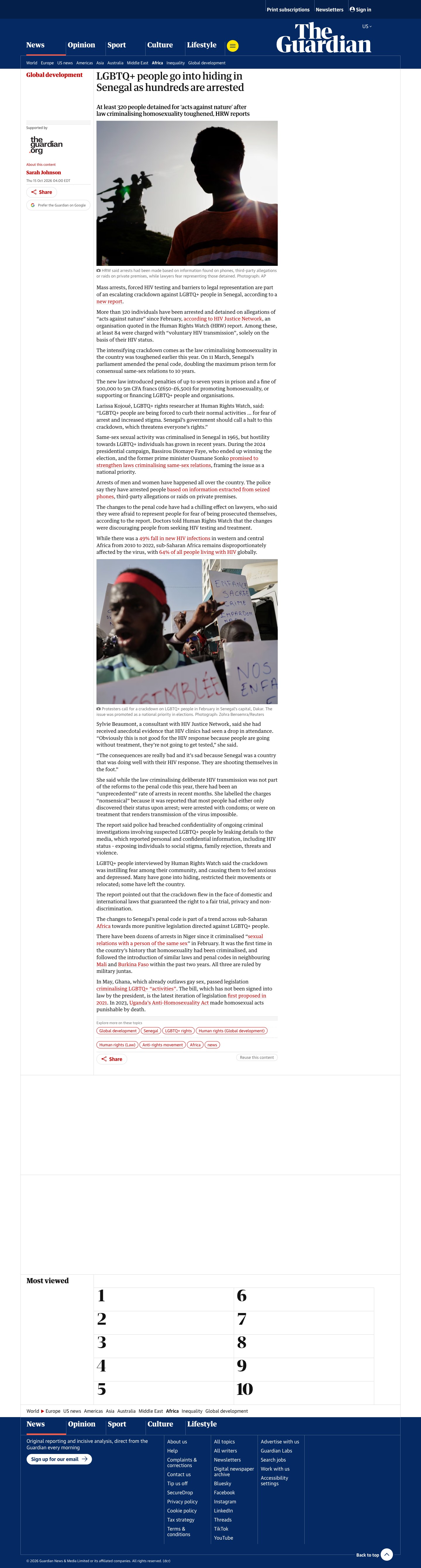 | author: | Sarah Johnson | institution: | The Guardian | ¿porque no los dos? |
| tl;dr | The article reports that more than 320 people have been arrested in Senegal amid tougher laws criminalising same-sex relations and LGBTQ+ support. Drawing mainly on Human Rights Watch and HIV Justice Network, it describes forced HIV testing, disclosure of private information, obstacles to legal representation and people going into hiding. Advocates warn that fear of arrest is discouraging HIV testing and treatment. The article places Senegal’s measures within a wider regional trend toward harsher anti-LGBTQ+ legislation. | ||||
| deeper: | The framing prioritises LGBTQ+ equality, privacy and healthcare access, giving it a mild progressive lean. Claims are generally attributed, with useful legal details and regional context. However, reporting relies heavily on advocacy organisations, without a substantive government response or independent verification of arrest figures. Clinic attendance evidence is explicitly anecdotal. The Uganda comparison is overbroad: its death penalty applies to specified offences labelled “aggravated homosexuality,” not all same-sex acts. These limitations reduce precision without negating the reported concerns. | ||||
media: | |||||
| gen: 2026/10/18:20:52 in 25.3 sec (-7d)bias: 4 (Center-Left) |
| type: newsquality: 58 |
| pts: 0 |
#france#protests#education#inequality#labor#student protests#public services#labor unions#police conduct v
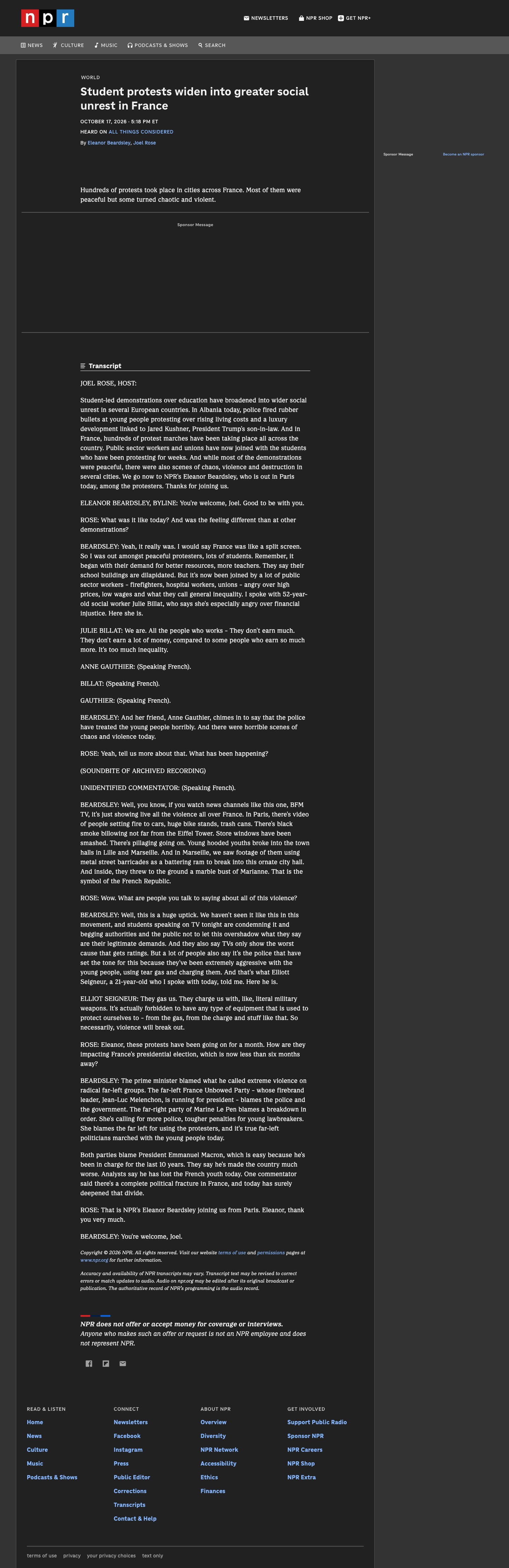 | author: | Eleanor Beardsley, Joel Rose | institution: | NPR | ¿porque no los dos? |
| tl;dr | The report describes French student protests over school conditions expanding to include public-sector workers demanding better wages and less inequality. It distinguishes largely peaceful marches from arson, looting and attacks on municipal buildings. Interviewees accuse police of escalating tensions, while government and political-party responses offer competing explanations. The report links the unrest to divisions ahead of France’s presidential election. The screenshot’s authenticity and specific event claims cannot be independently verified here. | ||||
| deeper: | The emphasis on stronger public services, workers’ grievances and economic equality gives the piece a center-left tilt. Protesters receive direct quotations; police receive no direct opportunity to answer serious allegations. However, substantial coverage of destruction and competing political responses adds balance. Named interviewees and concrete descriptions strengthen reporting, but vague references to analysts and missing supporting figures weaken it. The October 2026 date also conflicts with the claim that Macron has governed for ten years: he took office in May 2017. The screenshot alone does not establish authenticity. | ||||
media: | |||||
| gen: 2026/10/14:15:21 in 1 min 10.6 secbias: 4 (Center-Left) |
| type: eli5quality: 76 |
| pts: 0 |
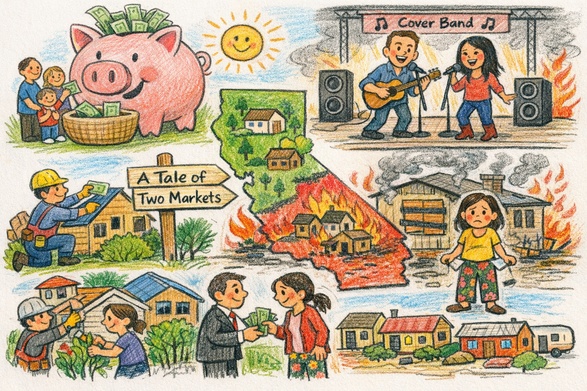
#insurance#wildfires#climate#government#communities#california#home insurance#palisades fire#climate change#fair plan benefi
 | author: | Unknown | institution: | Grist; co-published with LAist | ¿porque no los dos? |
| tl;dr | The article examines California’s home-insurance crisis through wildfire survivors’ experiences and competing proposals from insurance commissioner candidates Ben Allen and Jane Kim. Allen favors restoring private coverage through pricing reforms and fire-risk reduction; Kim proposes public disaster insurance. It connects rising costs and lost coverage to wildfires, risky development, regulatory constraints, and climate change. Both approaches face major funding and implementation hurdles, illustrated by expensive, difficult efforts to make entire communities more fire-resistant. | ||||
| deeper: | The social-contract framing and emphasis on consumer protection and collective investment suggest a center-left outlook. Loaded phrases such as “cozying up” and speculation about Lara’s motives introduce editorial judgment. However, both candidates receive substantial coverage, including serious criticism of Kim’s funding plans and acknowledgment of insurers’ losses. Interviews, linked sources, and a sourced map strengthen the reporting. Weaknesses include limited direct industry input and imprecise descriptions: the FAIR Plan is insurer-funded, not a conventional state-backed insurer, and stopping new policies is not equivalent to withdrawing entirely. | ||||
media: | |||||
| gen: 2026/10/14:15:18 in 58.8 secbias: 4 (Center-Left) |
| type: eli5quality: 78 |
| pts: 0 |
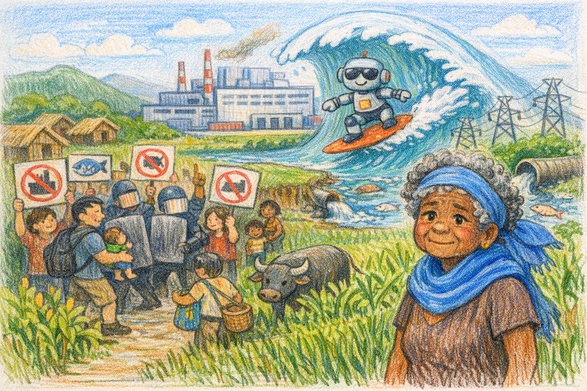
 | author: | Michael Beltran | institution: | Mongabay; republished by Grist through the Indigenous News Alliance | ¿porque no los dos? |
| tl;dr | The article examines a planned U.S.-linked technology hub in the Philippines under Pax Silica. Officials promote investment and semiconductor development, while Indigenous Aeta communities and environmental advocates fear displacement, heavy water and electricity demand, and pollution. Reporting contrasts government assurances with residents’ testimony and research on overlapping ancestral land claims. It also describes protest clashes, uncertainty about the project’s infrastructure, and decades-long obstacles to securing Indigenous land titles. | ||||
| deeper: | The article prioritizes Indigenous land rights, environmental protection, and community welfare, giving it a center-left emphasis. Critics receive more space and the emotionally forceful closing quotation, but officials’ economic arguments and denials are included. Named interviews, linked sources, historical context, and quantified resource estimates strengthen the reporting. Limitations include little independent technical scrutiny of projected resource demands, limited analysis of economic benefits, and an oversimplified explanation of Indigenous land rights. The screenshots alone do not independently verify the reported events. | ||||
media: | |||||

| gen: 2026/10/12:18:40 in 43.2 sec (old)bias: 4 (Center-Left) |
| type: lolsquality: 81 |
| pts: 0 |
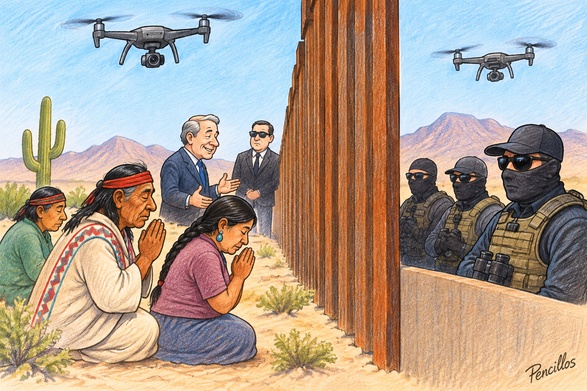
#tribal rights#border policy#surveillance#government#tohono o'odham#border wall#dhs#cbp#border patrol in
 | author: | Ryan Devereaux | institution: | ProPublica | ¿porque no los dos? |
| tl;dr | The article reports that DHS deployed tactical agents and surveillance around the Tohono O’odham Nation while preparing a 62-mile border wall despite tribal objections. Tribal leaders and residents describe threats, minimal consultation, monitoring of prayer ceremonies, and risks to sacred sites and cross-border family ties. The reporting cites court records, interviews, photographs, videos, and observation logs. Federal officials defend the project as legally authorized and necessary for border security; the tribe disputes its legality and necessity. | ||||
| deeper: | The article emphasizes Indigenous sovereignty, cultural protection, and civil liberties, supporting a center-left framing. Words such as “intimidates” and “cast off any pretense” present strong judgments, and tribal perspectives dominate. However, it includes substantial government legal arguments, security explanations, and the unfavorable court decision. Named witnesses, documentary sources, firsthand observations, and disclosed requests for comment strengthen the reporting. Some claims depend on interested witnesses, and the screenshots alone cannot establish the authenticity or accuracy of every cited document and event. | ||||
media: | |||||
| gen: 2026/10/12:02:50 in 22.5 sec (old)bias: 4 (Center-Left) |
| type: newsquality: 74 |
| pts: 0 |
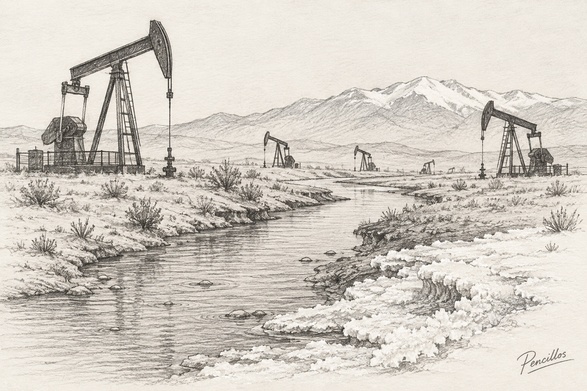
#climate#pollution#rivers#fossil fuels#wildlife#pecos river#new mexico#texas#permian basin#produced water#oil and gas give

| gen: 2026/10/12:02:48 in 23.7 sec (old)bias: 3 (Center) |
| type: newsquality: 68 |
| pts: 0 |

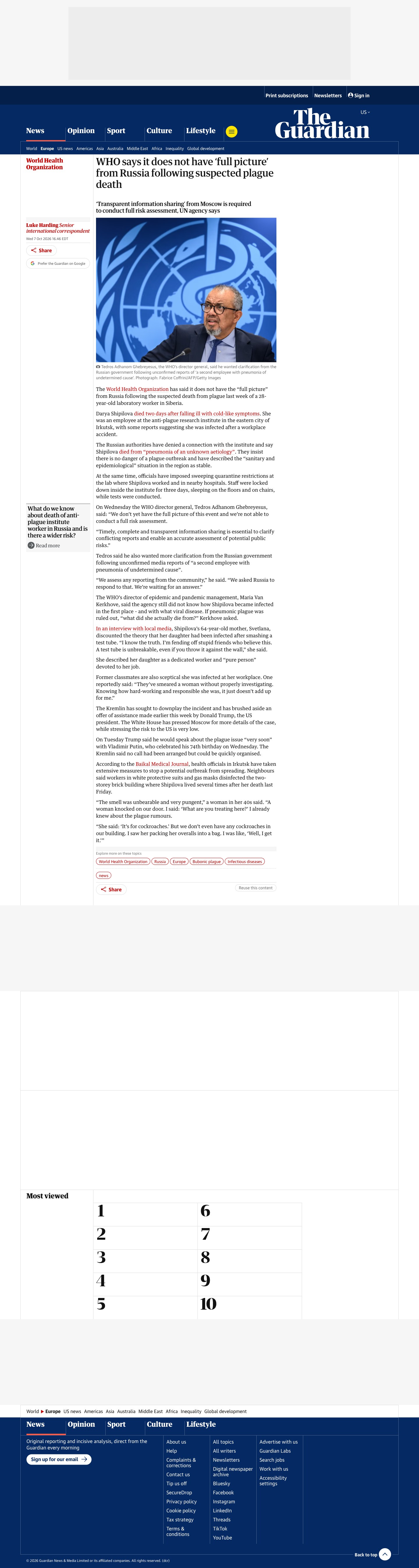 | author: | Luke Harding | institution: | The Guardian | ¿porque no los dos? |
| tl;dr | The article reports that WHO wants more information from Russia about the death of a 28-year-old laboratory worker in Irkutsk amid suspicions of plague. Russian authorities attribute her death to pneumonia of unknown cause and deny an outbreak risk. WHO says incomplete information prevents a full risk assessment and seeks clarification about a possible second illness. The report contrasts official reassurances with reported quarantine and disinfection measures, while including relatives’ objections to the workplace-accident theory. Plague remains unconfirmed. | ||||
| deeper: | The report clearly labels plague as suspected and includes WHO statements, Russian denials, and relatives’ perspectives. Its emphasis on transparency and public health does not establish a partisan position. However, phrases such as “downplay” and “brushed aside,” plus a dramatic closing anecdote, encourage suspicion of Russian officials. Several important claims rely on secondhand reports without independent confirmation. Medical context is thin, and the reference to a “viral disease” is confusing because plague is bacterial. The screenshot alone cannot authenticate the reporting. | ||||
media: | |||||
| gen: 2026/10/12:02:45 in 21.5 sec (old)bias: 3 (Center-Left) |
| type: newsquality: 78 |
| pts: 0 |

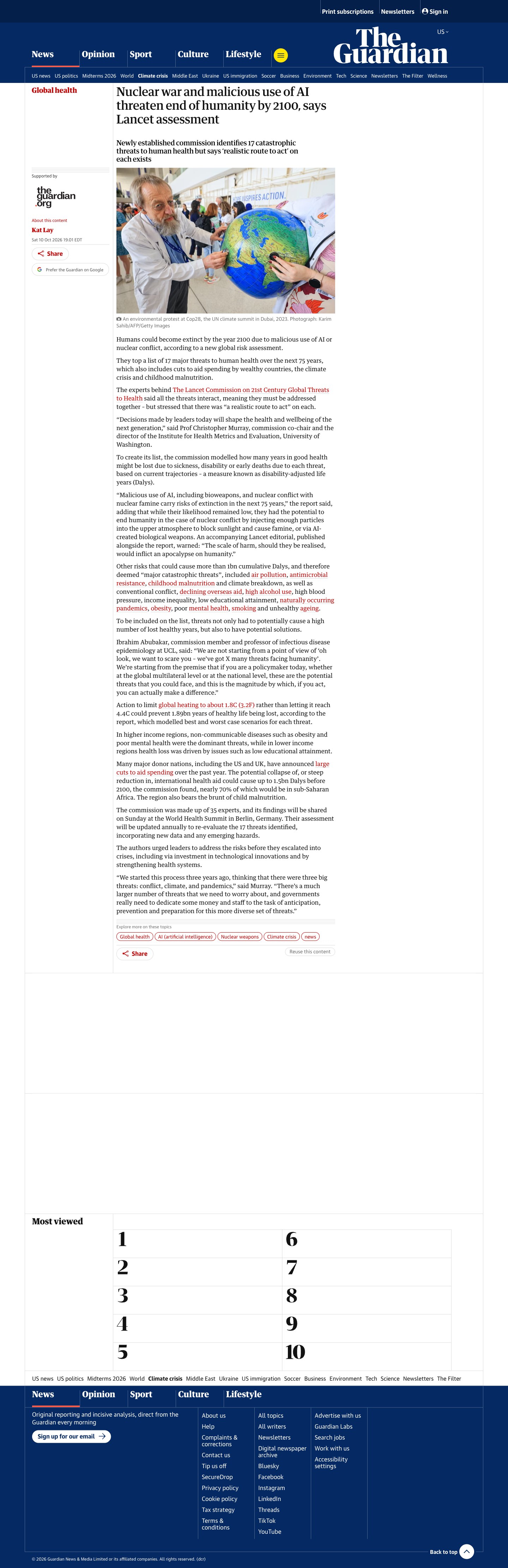 | author: | Kat Lay | institution: | The Guardian | ¿porque no los dos? |
| tl;dr | A Lancet commission identifies 17 major threats to human health through 2100, including nuclear conflict, malicious AI use, climate change, malnutrition and declining health aid. Nuclear war and AI-enabled biological weapons pose low-probability extinction risks, while other threats could cost billions of healthy life-years. The commission argues that all identified risks have potential solutions and calls for coordinated prevention, stronger health systems, technological investment and government preparedness. | ||||
| deeper: | The article clearly attributes claims, names experts, explains the health-loss measure and acknowledges that extinction risks are unlikely. However, its alarming headline foregrounds the most extreme outcomes, and all quoted experts represent the commission rather than independent scrutiny. Its favorable emphasis on public investment, international aid and coordinated climate action gives it a mild center-left framing. Numerical projections add substance, but uncertainty ranges, modeling limitations and policy trade-offs receive little attention. | ||||
media: | |||||
| gen: 2026/10/10:22:52 in 23.0 sec (old)bias: 2 (Center) |
| type: newsquality: 74 |
| pts: 0 |
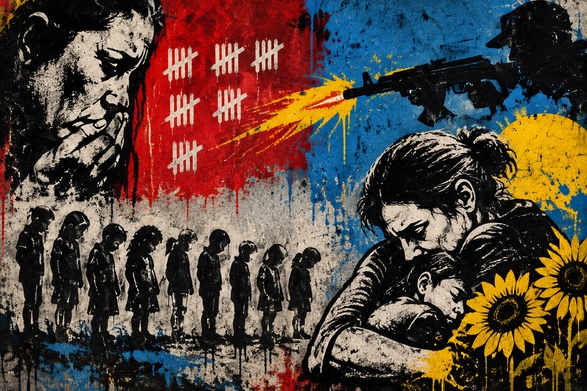
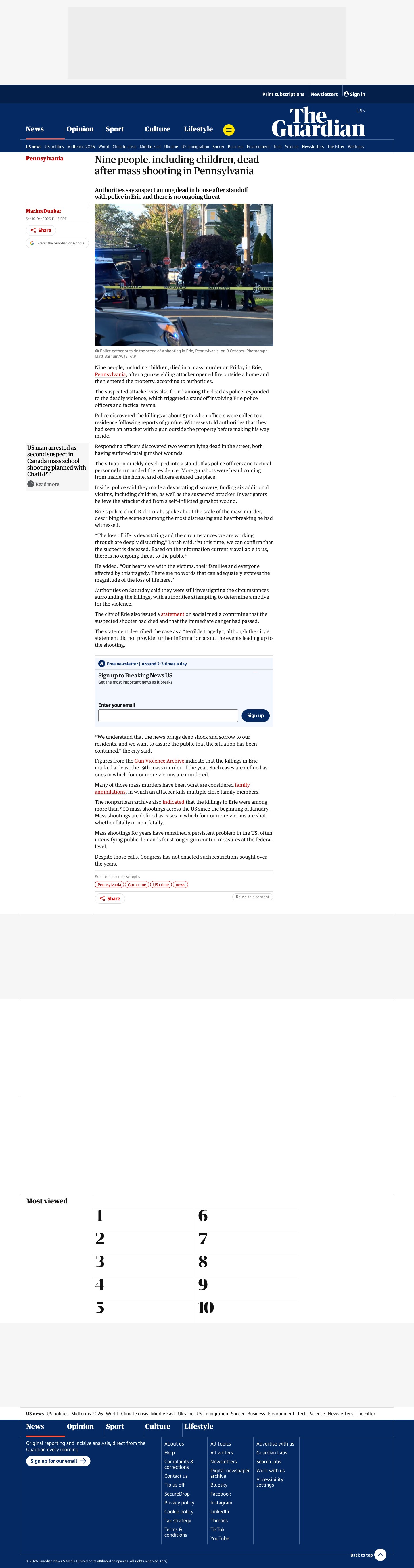 | author: | Marina Dunbar | institution: | The Guardian | ¿porque no los dos? |
| tl;dr | The article reports nine deaths, including children and the suspected attacker, after a shooting and police standoff in Erie, Pennsylvania. Police found two women dead outside a home and six other victims inside, along with the suspect, who investigators believe died by suicide. Authorities said there was no ongoing public threat and that the motive remained under investigation. The report also cites Gun Violence Archive figures to place the killings in a national context. | ||||
| deeper: | The article mainly attributes claims to police and city officials, acknowledges the unknown motive, and advocates no political position. Emotional wording adds some dramatic emphasis. Named sources, quotations, and linked statistics strengthen the reporting, but independent corroboration is limited. The opening loosely describes all nine deaths as murder, although the reported breakdown includes the suspect’s apparent suicide. National shooting figures lack a definition of mass shooting, and the family-killing context could imply a connection not established here. The screenshots alone cannot verify the claims. | ||||
media: | |||||
| gen: 2026/10/10:22:47 in 30.1 sec (old)bias: 4 (Center-Left) |
| type: newsquality: 83 |
| pts: 0 |
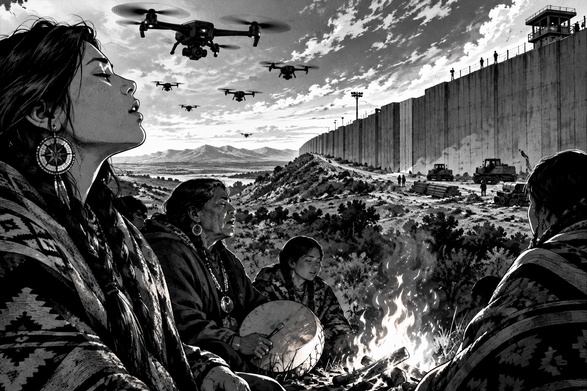
#indigenous right#border security#surveillance#sovereignty#tohono o'odham#tribal rights#border wall#dhs#border patrol#surveillance q

| gen: 2026/10/07:16:32 in 25.8 sec (old)bias: 4 (Center-Left) |
| type: newsquality: 72 |
| pts: 0 |

 | author: | Emma Graham-Harrison and Quique Kierszenbaum | institution: | The Guardian | ¿porque no los dos? |
| tl;dr | The article follows October 7 survivors, including former hostages Keith and Aviva Siegel and Nir Oz resident Shlomo Margalit, as they cope with lasting trauma. It explores tensions between rebuilding communities and preserving memorials, alongside demands for an independent investigation into Israel’s security failures. The later sections examine criticism of Netanyahu’s leadership, the war’s Palestinian casualties, and election stakes. It concludes with Margalit’s call for secure coexistence with Palestinians. | ||||
| deeper: | Named interviews, detailed observations and attributed casualty records strengthen the reporting. Its sympathetic treatment of survivors is appropriate, not inherently partisan. The center-left framing emerges through emphasis on coexistence, Palestinian rights and democratic safeguards. However, phrases such as “rightwing vision of perpetual war” introduce editorial judgment, while substantial political accusations lack a government response. Palestinian casualty figures lack clear sourcing in the visible text. The 2026 third-anniversary framing also conflicts with a remaining “two years on” reference, raising an editing or chronology concern. | ||||
media: | |||||
| gen: 2026/10/07:16:31 in 33.5 sec (old)bias: 1 (Center) |
| type: newsquality: 35 |
| pts: 0 |

#politics#military#death penalty#crime#donald trump#fort hood#firing squad#military justice#2009 shooting
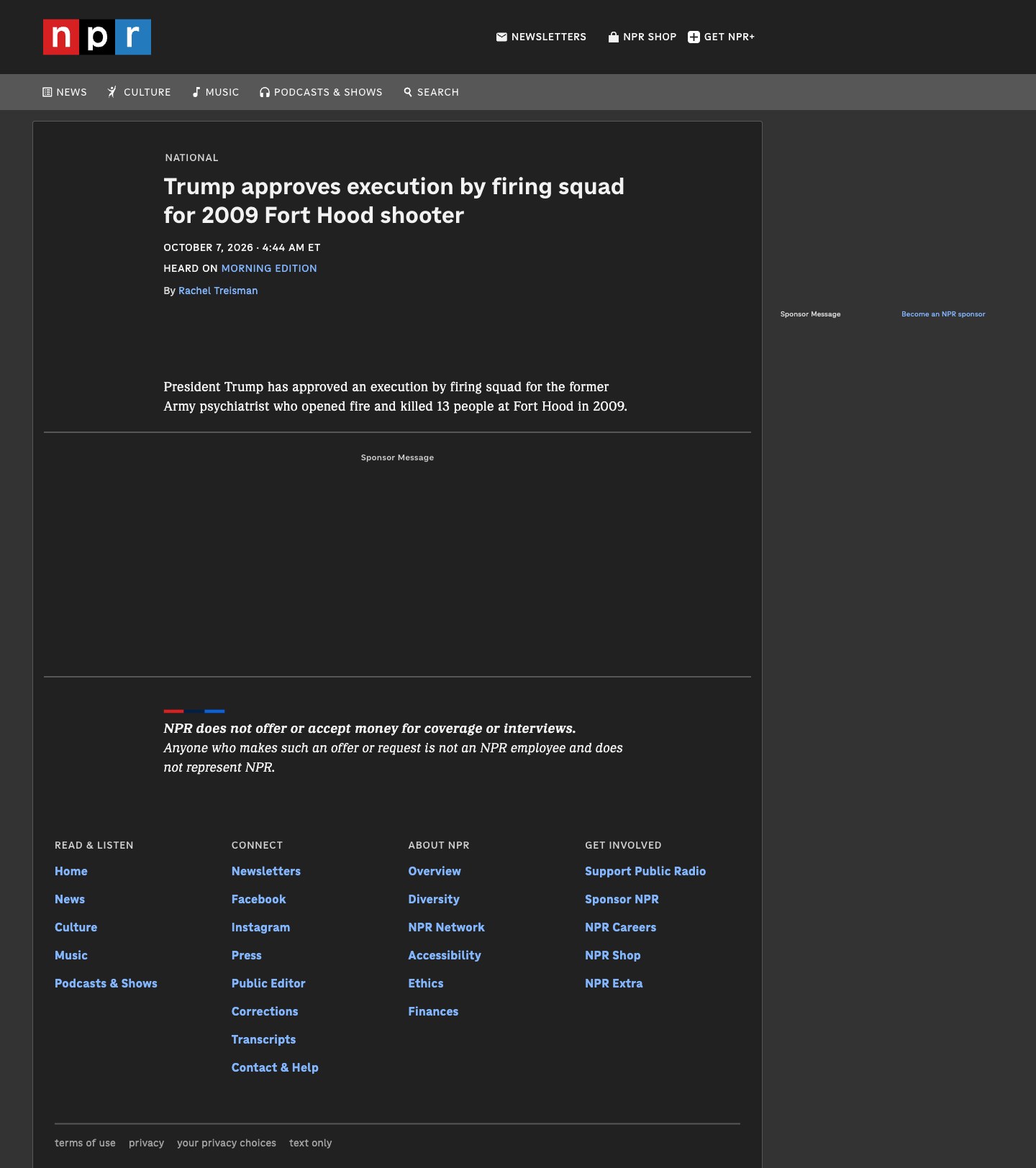 | author: | Rachel Treisman | institution: | NPR | ¿porque no los dos? |
| tl;dr | The displayed page says President Trump approved execution by firing squad for the former Army psychiatrist who killed 13 people at Fort Hood in 2009. Dated October 7, 2026, it contains only a headline and one-sentence news summary, without supporting sources, legal details, or an execution date. The screenshot alone does not establish the claim’s accuracy or the page’s authenticity. | ||||
| deeper: | The wording is straightforward and neither praises nor condemns Trump or capital punishment, providing little evidence of political bias. However, the visible report simply repeats its headline without identifying a source for the approval, explaining military execution rules, or discussing appeals. Its clarity is a strength, but the lack of supporting evidence and context limits its quality. This assessment covers only the displayed text, not any associated broadcast. | ||||
media: | |||||
| gen: 2026/10/07:16:30 in 31.4 sec (old)bias: 3 (Center-Left) |
| type: newsquality: 81 |
| pts: 0 |

#juvenile justice#children#racism#history#remembrance#child burials#reform schools#cheltenham#maryland#georgetown univ
 | author: | Jenny Abamu | institution: | NPR / WAMU | ¿porque no los dos? |
| tl;dr | Georgetown researchers report identifying more than 1,000 children’s graves associated with 40 reform schools and detention facilities across 29 states. The article focuses on over 230 Black boys buried near a former institution in Cheltenham, Maryland, documenting historical abuse and families’ efforts to identify relatives. It describes memorials, restitution initiatives and a Maryland commission investigating the burials, while connecting this history to changes in laws governing prosecution of children as adults. | ||||
| deeper: | The article favors restorative justice and juvenile justice reform through its source selection and sympathetic family narratives, giving it a mild center-left tilt. Historical abuse is supported by attributed research and a government report, rather than merely asserted. Interviews, site observations and explicit acknowledgment of unidentified remains strengthen the reporting. However, the nationwide count’s methodology and causes of death receive little explanation. The headline also omits the historical timeframe, and the connection to present-day prosecution policy is presented mainly through a reform advocate. | ||||
media: | |||||
| gen: 2026/10/07:04:39 in 1 min 12.6 secbias: 2 (Unknown) |
| type: eli5quality: 76 |
| pts: 0 |

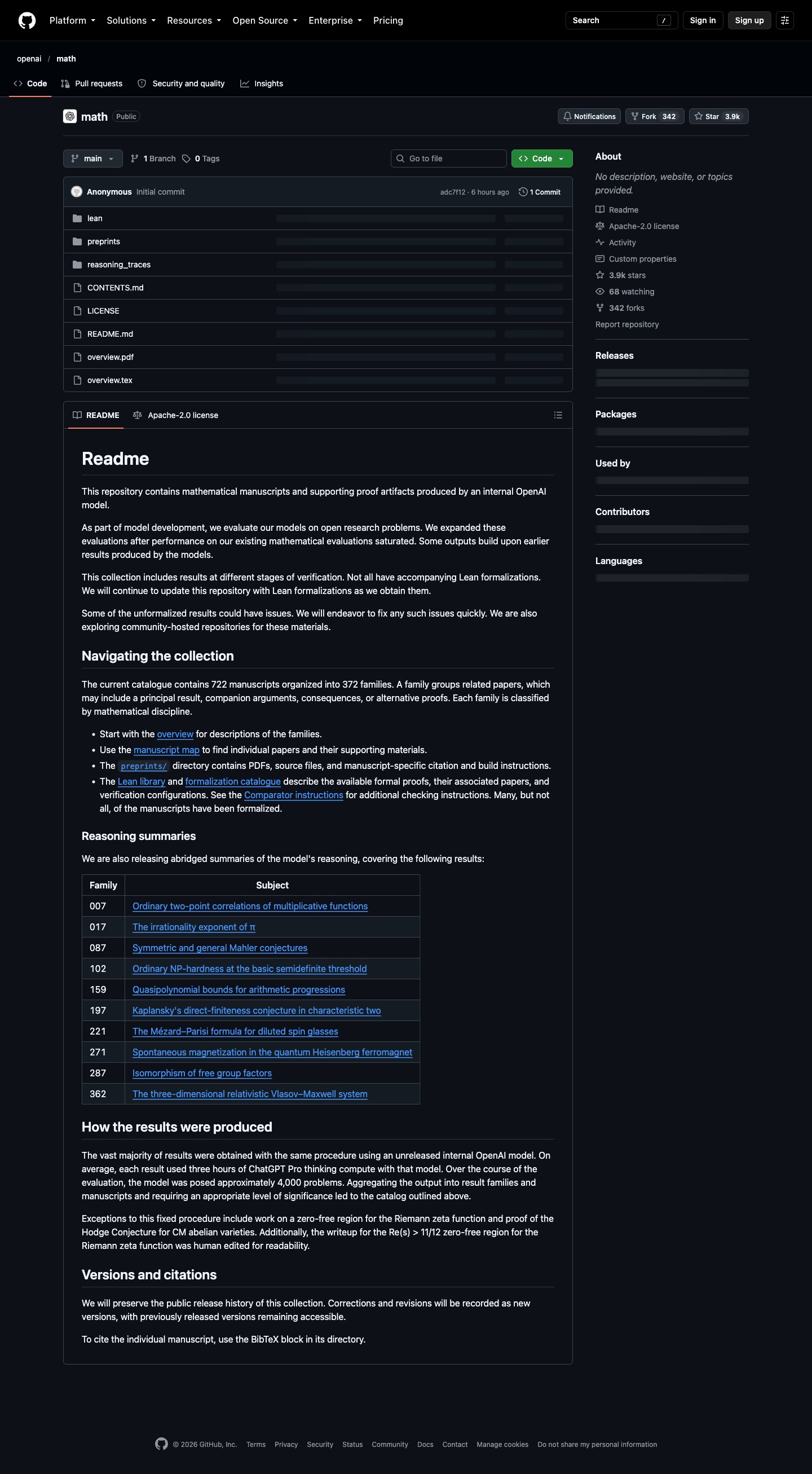 | author: | Unknown | institution: | OpenAI | ¿porque no los dos? |
| tl;dr | The repository README describes 722 mathematical manuscripts in 372 related families produced by an unreleased OpenAI model evaluated on approximately 4,000 problems. It links to papers, supporting materials, Lean formal proofs, and selected reasoning summaries. The document acknowledges differing verification levels and possible errors in unformalized results. It outlines the production process, notes exceptions and limited human editing, and promises to preserve corrections and earlier versions. The screenshots alone do not establish the mathematical claims’ correctness or novelty. | ||||
| deeper: | This is technical repository documentation, not independent reporting. Its language is mostly restrained, with explicit warnings about potential errors and incomplete verification. Links to proof materials, production details, and version histories support transparency. However, the visible text does not provide independent assessments, precise verification totals, or clear criteria for selecting significant results. Highlighting selected outputs offers an incomplete picture of overall performance. No political position is evident; the score evaluates the documentation, not the underlying mathematics. | ||||
media: | |||||
| gen: 2026/10/06:04:06 in 20.9 sec (old)bias: 2 (Center) |
| type: newsquality: 76 |
| pts: 0 |
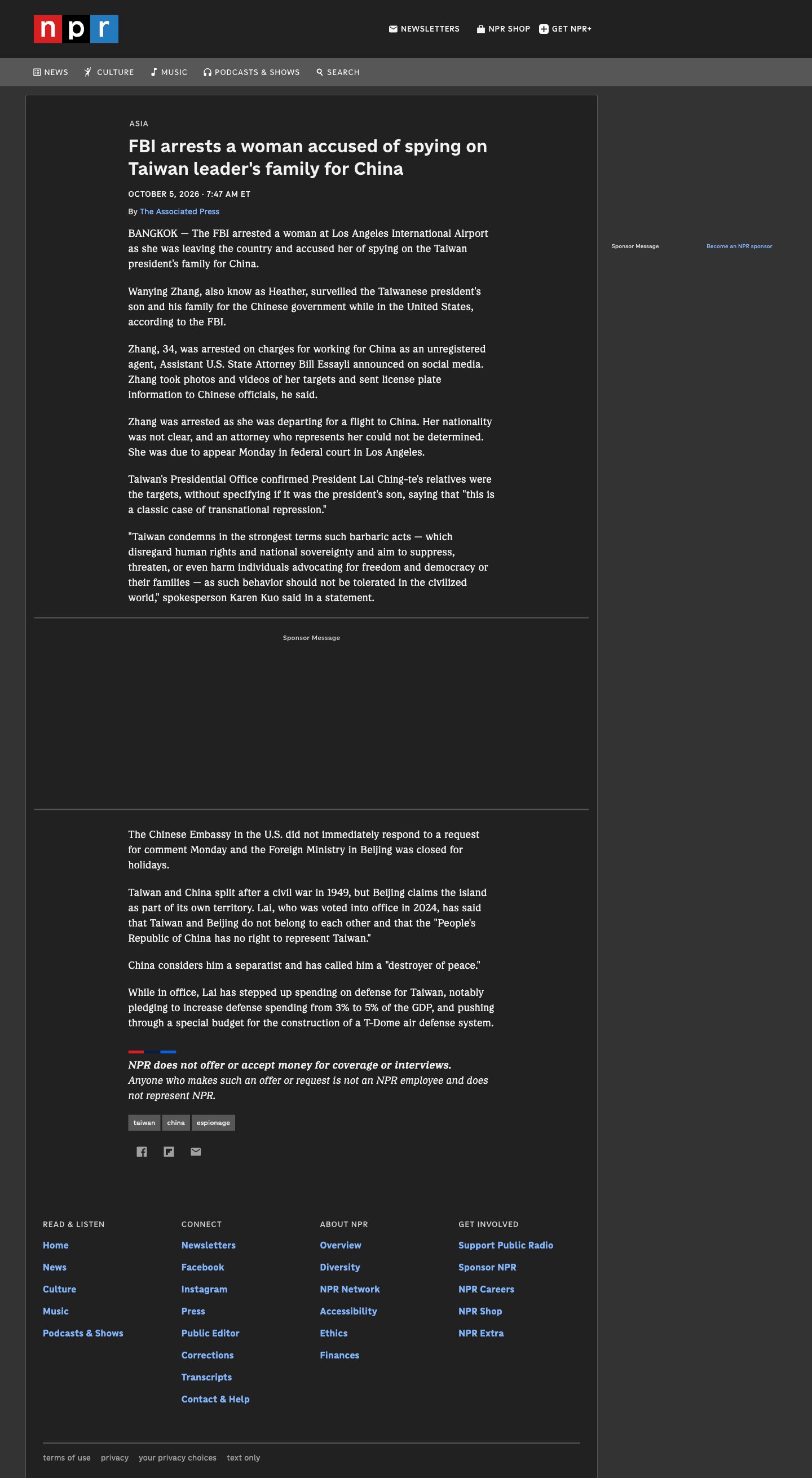 | author: | The Associated Press | institution: | NPR | ¿porque no los dos? |
| tl;dr | The article reports that the FBI arrested Wanying Zhang at Los Angeles International Airport for allegedly acting as an unregistered Chinese agent. Authorities accuse her of monitoring Taiwanese President Lai Ching-te’s relatives in the United States and sending photographs, videos, and license plate information to Chinese officials. Taiwan condemned the alleged surveillance as transnational repression. No defense response was available, and China’s embassy did not immediately comment. The article also outlines tensions over Taiwan’s status and Lai’s defense spending plans. | ||||
| deeper: | The report generally distinguishes accusations from established facts and attributes inflammatory language to officials rather than adopting it. U.S. and Taiwanese government accounts dominate, but it notes efforts to obtain Chinese comment and the absence of an identifiable defense lawyer. This creates a limited official-source slant without a clear left–right agenda. Useful context and specific allegations strengthen the reporting; the lack of court-document detail or independent corroboration limits it. The unusual title “Assistant U.S. State Attorney” also warrants verification. | ||||
media: | |||||
| gen: 2026/10/06:04:05 in 25.2 sec (old)bias: 3 (Center) |
| type: newsquality: 85 |
| pts: 0 |

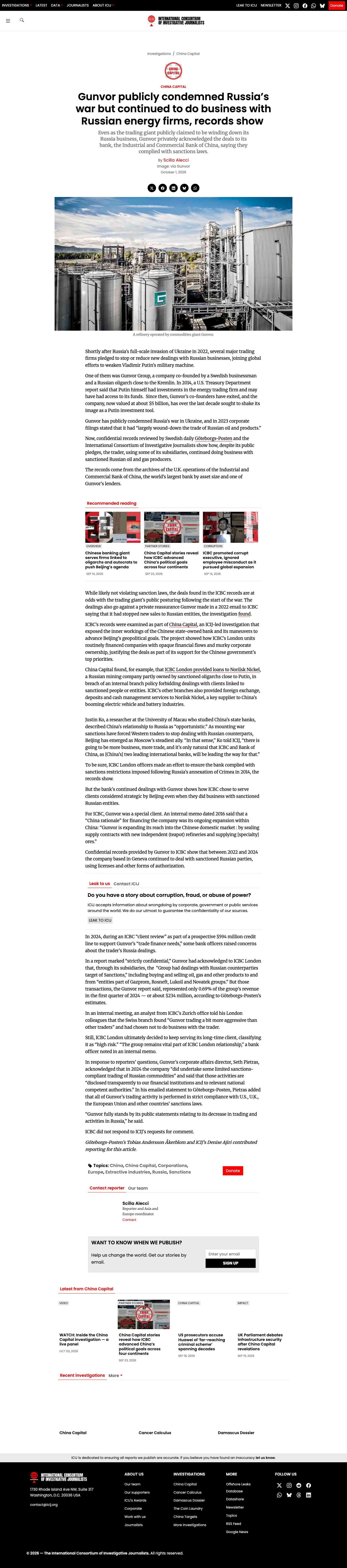
| gen: 2026/09/30:20:56 in 27.3 sec (old)bias: 3 (Center-Left) |
| type: newsquality: 78 |
| pts: 0 |

#nuclear energy#data centers#public lands#utah#environment#valar atomics#project beehive#nuclear power#utahுட
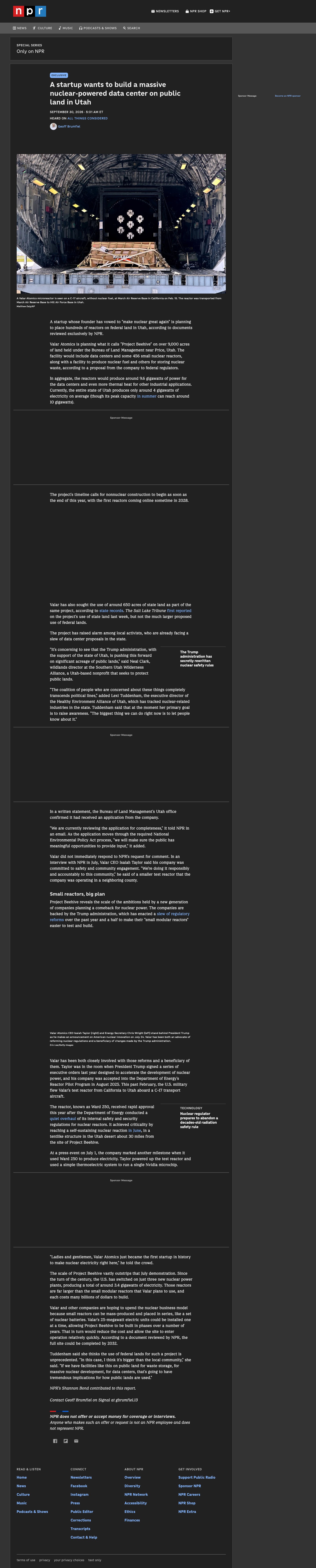 | author: | Geoff Brumfiel | institution: | NPR | ¿porque no los dos? |
| tl;dr | Valar Atomics proposes building Project Beehive near Price, Utah, with 456 small nuclear reactors powering data centers on more than 9,000 acres of federal land. The article reports a planned 9.6-gigawatt output, initial reactor operations in 2028 and possible completion by 2032. Environmental advocates raise public-land and oversight concerns. Federal officials confirm an application is under review and promise public input. The report also describes the company's technological milestones, ties to regulatory reforms and arguments for building reactors in phases. | ||||
| deeper: | The article mildly favors public-land conservation and regulatory oversight, giving environmental advocates prominent space and opening with a politically charged founder quote. It nevertheless includes federal officials' responses, earlier company assurances and potential benefits of modular reactors. Documents, named sources and numerical context strengthen the reporting. Limitations include little independent technical or financial assessment and an unexplained difference between 456 25-megawatt units and the stated 9.6-gigawatt output. The supplied text ends mid-quotation, so this assessment covers only the visible material. | ||||
media: | |||||
| gen: 2026/09/30:20:54 in 26.6 sec (old)bias: 2 (Center) |
| type: newsquality: 80 |
| pts: 0 |

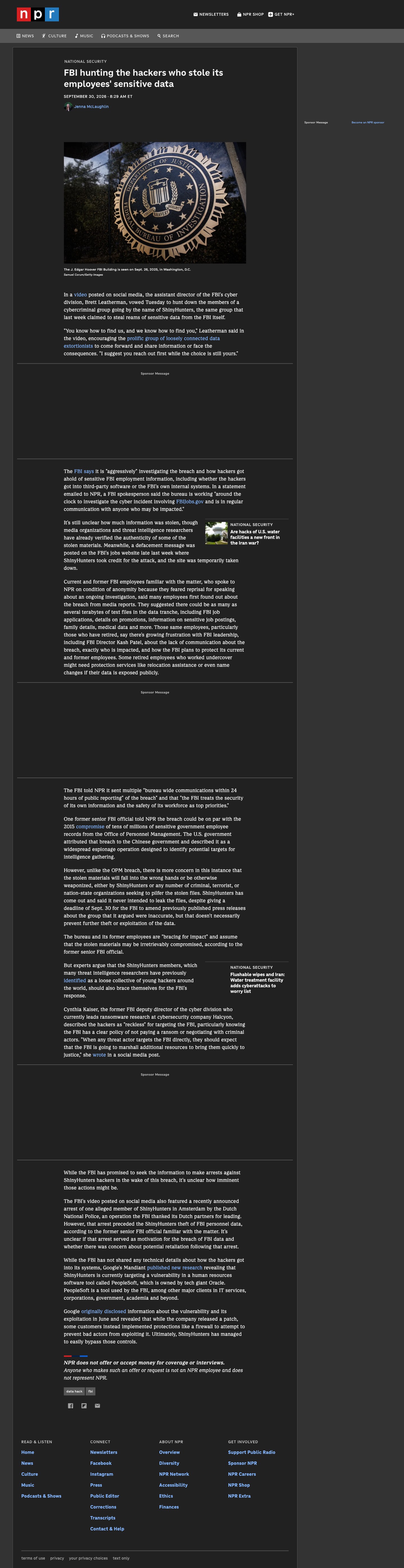 | author: | Jenna McLaughlin | institution: | NPR | ¿porque no los dos? |
| tl;dr | The article reports that the FBI is investigating ShinyHunters over stolen sensitive personnel data. Current and former employees describe concerns about inadequate communication and potential exposure of medical, family, and undercover-work information; the FBI says it promptly notified staff. The breach’s scale and entry point remain unclear. The article discusses possible links to vulnerabilities in Oracle’s PeopleSoft software, while distinguishing an earlier Dutch arrest from the current investigation. | ||||
| deeper: | The reporting shows no clear partisan agenda. It balances employee criticism with FBI responses, explains why sources remain anonymous, and distinguishes confirmed information from uncertainties. Links, named expertise, and historical context strengthen the account. However, dramatic language and speculative worst-case consequences heighten alarm. Several important claims depend on unnamed sources, and the PeopleSoft discussion establishes a possibility rather than the actual breach mechanism. The headline is more definitive about responsibility than the opening attribution to the hackers’ claims. | ||||
media: | |||||
| gen: 2026/09/30:20:51 in 27.1 sec (old)bias: 3 (Center) |
| type: newsquality: 77 |
| pts: 0 |
 | author: | Jane Arraf | institution: | NPR | ¿porque no los dos? |
| tl;dr | The article reports that U.S. forces have fully withdrawn from Iraq, with coalition headquarters moving to Jordan. Iraqi leaders celebrate sovereignty, while Kurdish leaders fear increased vulnerability to Iran-backed attacks. Iraq still faces ISIS sleeper cells, militia disarmament challenges and reliance on U.S. intelligence. The article also examines Iranian influence, Turkish military bases and the invasion’s human costs, ending with accounts of reconstruction and reconciliation. The reported withdrawal and accompanying official statements are not independently verified here. | ||||
| deeper: | The article emphasizes the invasion’s destructive legacy, but also credits U.S. contributions against ISIS and explains Kurdish dependence on American protection. Its competing Iraqi, U.S. and militia perspectives do not establish a clear partisan alignment. Named sources, historical context and detailed security coverage strengthen it. Weaknesses include heavy reliance on official statements, no directly quoted Kurdish leader, and sweeping claims about younger Iraqis. The civilian death figure needs a clearer timeframe and distinction between deaths during the occupation and subsequent violence. Screenshot links and contemporary claims cannot be authenticated here. | ||||
media: | |||||
| gen: 2026/09/28:05:22 in 25.0 sec (old)bias: 3 (Center) |
| type: newsquality: 66 |
| pts: 0 |
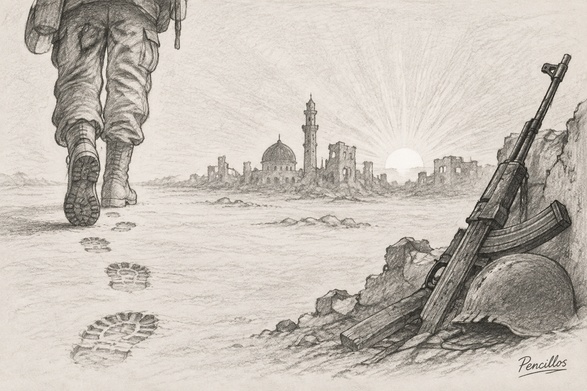
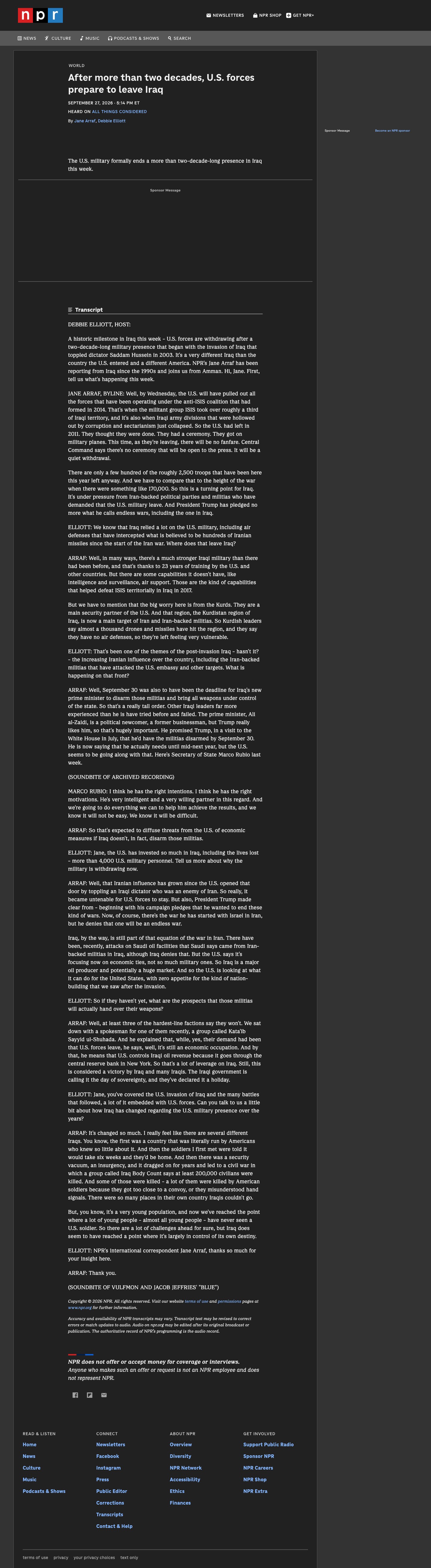 | author: | Jane Arraf, Debbie Elliott | institution: | NPR | ¿porque no los dos? |
| tl;dr | The article reports that U.S. coalition forces are preparing to leave Iraq, presenting the withdrawal as a sovereignty milestone with significant security risks. It highlights Iraqi military capability gaps, Kurdish vulnerability, Iranian influence, and militias resisting disarmament. It also describes a U.S. shift toward economic relations and reviews the invasion’s civilian toll. Although the introduction suggests an uninterrupted military presence since 2003, the transcript acknowledges the 2011 withdrawal and 2014 return. | ||||
| deeper: | The report includes U.S., Kurdish, Iraqi government, and militia perspectives without a clear partisan prescription. Its emphasis on sovereignty and civilian harm is balanced by recognition of U.S. security contributions. Some sweeping judgments—Americans knowing little about Iraq and Iraq controlling its destiny—lack supporting detail. The introduction misleadingly implies continuous deployment. Iraq Body Count’s cumulative civilian deaths are also loosely presented as a civil-war total. Named sources and historical context help, but major contemporary claims cannot be independently verified from these screenshots. | ||||
media: | |||||
| gen: 2026/09/28:05:19 in 24.2 sec (old)bias: 3 (Center) |
| type: newsquality: 82 |
| pts: 0 |

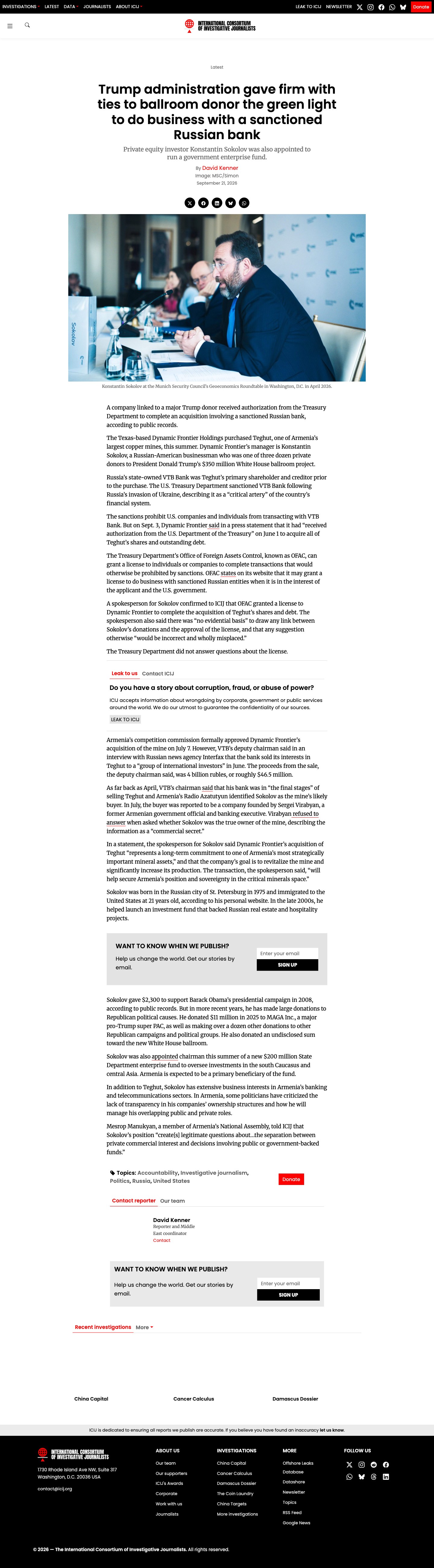
| gen: 2026/09/28:05:17 in 26.6 sec (old)bias: 3 (Center) |
| type: newsquality: 82 |
| pts: 0 |
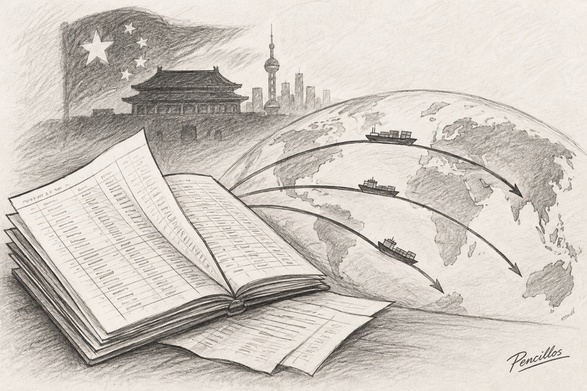
 | author: | Scilla Alecci | institution: | International Consortium of Investigative Journalists (ICIJ) | ¿porque no los dos? |
| tl;dr | The article summarizes an ICIJ investigation alleging that ICBC used international lending to advance China’s political and strategic interests, sometimes overriding financial risks and compliance concerns. Drawing on 4.8 million confidential records and partner reporting, it describes deals involving infrastructure, natural resources, technology and military-linked companies across four continents. It also examines relationships involving businesses connected to sanctioned Belarusian interests. ICBC did not respond to requests for comment; Zoomlion said it complies with applicable laws. | ||||
| deeper: | Specific document quotations, financial figures, named sources and links to partner reporting give the article substantial evidentiary support. It acknowledges an unknown loan outcome, includes Zoomlion’s response and notes unanswered requests for comment. However, phrases such as “notoriously secretive” and the consistently geopolitical framing sometimes blur commercial strategy with political intent. Alternative explanations receive limited attention. Its emphasis on transparency and regulatory accountability does not establish a clear left-right agenda. This is a well-supported investigative roundup, although the underlying records cannot be independently checked from these screenshots. | ||||
media: | |||||
| gen: 2026/09/27:03:07 in 23.6 sec (old)bias: 4 (Center) |
| type: newsquality: 72 |
| pts: 0 |


| gen: 2026/09/27:03:04 in 24.8 sec (old)bias: 4 (Center) |
| type: newsquality: 48 |
| pts: 0 |
| gen: 2026/09/27:03:01 in 28.5 sec (old)bias: 4 (Center) |
| type: newsquality: 56 |
| pts: 0 |
#media#politics#journalism#ownership#cnn#cbs news#paramount#warner bros#donald trump#david ellison no
 | author: | David Folkenflik, Debbie Elliott | institution: | NPR | ¿porque no los dos? |
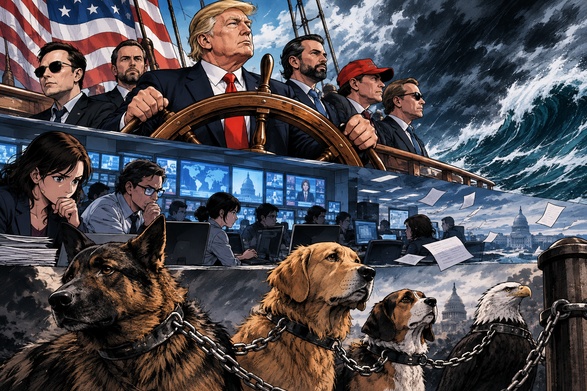
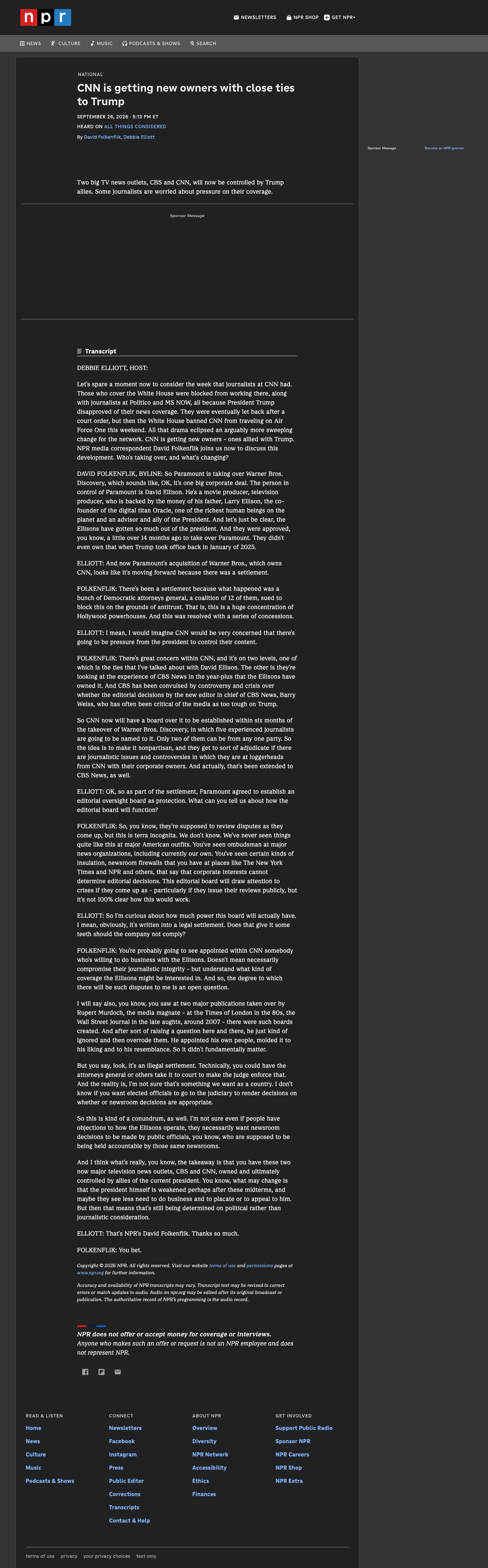
| tl;dr | The document says Paramount’s acquisition of Warner Bros. Discovery would put CNN and CBS under owners tied to President Trump. It describes a settlement requiring editorial oversight boards and questions whether those boards could protect newsroom independence. The discussion highlights potential owner influence while also warning that court enforcement could give government officials inappropriate influence over journalism. The acquisition, settlement, and access restrictions described are claims in the supplied screenshots, not independently verified facts. | ||||
| deeper: | The article favors independent journalism and accountability rather than an explicit partisan platform. However, leading questions, dramatic wording, and speculation about owners’ motives create a skeptical, one-sided frame. No responses from Paramount, the Ellisons, or the White House appear. Useful explanations of oversight and government-interference risks add nuance, but major legal claims lack identifiable supporting documents. Apparent transcription errors—including “Barry Weiss” and “illegal settlement”—reduce precision. The screenshots alone cannot establish authenticity or verify the reported events. | ||||
media: | |||||
| gen: 2026/09/25:15:32 in 1 min 4.8 secbias: 4 (Center-Left) |
| type: eli5quality: 72 |
| pts: 0 |
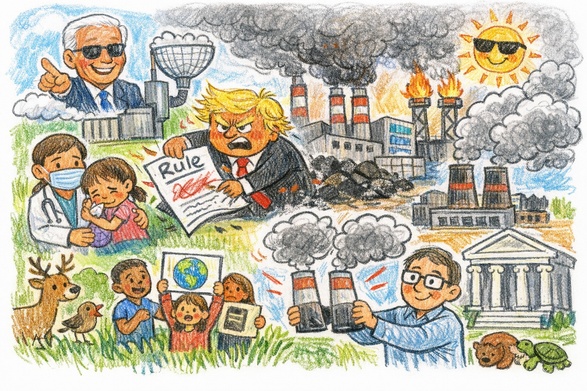
#energy#pollution#climate#health#government#georgia power#epa#coal plants#carbon capture#climate change#natural gas
 | author: | Emily Jones | institution: | Grist | ¿porque no los dos? |
| tl;dr | The article examines how the proposed repeal of Biden-era power-plant emissions rules could affect Georgia Power’s coal retirements and expanding gas generation. Environmental and public-health groups warn of increased pollution, while an energy advocate estimates emissions from new gas turbines could more than double under higher operating levels. Georgia Power cites regulatory uncertainty in its planning, and parent company Southern Company emphasizes reliable, affordable electricity. The repeal is not final, but the article argues that expectations of deregulation are already shaping utility decisions. | ||||
| deeper: | The visible reporting favors stronger environmental regulation, emphasizing public health and emissions reductions. Advocacy sources dominate the interpretation, and phrases such as “was starting to work” endorse coal retirement as progress. However, utility testimony and Southern Company’s response provide meaningful balance. Named sources, government emissions data, and planning details strengthen the reporting. Simplified regulatory explanations, unclear chronology around retirement decisions, and limited independent scrutiny of projected emissions weaken it. Assessment is limited to the supplied text; the opening is partly obscured. | ||||
media: | |||||
| gen: 2026/09/25:15:29 in 1 min 9.0 secbias: 5 (Center-Left) |
| type: eli5quality: 81 |
| pts: 0 |

#environment#health#history#military#community#guam#yigo#leevin camacho#dieldrin#water pollution#us military news
 | author: | Anita Hofschneider | institution: | Grist, in partnership with The Intercept | ¿porque no los dos? |
| tl;dr | The article follows Guam lawyer Leevin Camacho’s efforts to address contaminated drinking water and protect communities affected by U.S. military expansion. It connects pollution, land loss, habitat damage, housing costs, and threats to Indigenous cultural sites across Guam, Yap, and Palau. Residents and activists seek accountability and greater control over development. Military officials defend environmental compliance and missile-defense investments, while Guam’s governor emphasizes economic and security benefits. The source of Yigo’s dieldrin contamination remains under investigation; military responsibility is suspected, not established. | ||||
| deeper: | The article favors environmental justice, Indigenous rights, and community self-determination, supporting a center-left reading. Its sympathetic portrait of Camacho and phrases such as “Those injustices” sometimes adopt advocates’ judgments. Nevertheless, it includes substantial military responses, economic benefits, security concerns, and uncertainty about pollution sources. Named interviews, linked documents, historical context, and original photography strengthen the reporting. Missing contamination measurements and independent health expertise limit its treatment of risk; some broad climate and strategic claims need stronger support. Scores assess the supplied text, not independent verification of its links. | ||||
media: | |||||
| gen: 2026/09/25:15:26 in 1 min 5.0 secbias: 3 (Center-Left) |
| type: eli5quality: 76 |
| pts: 0 |
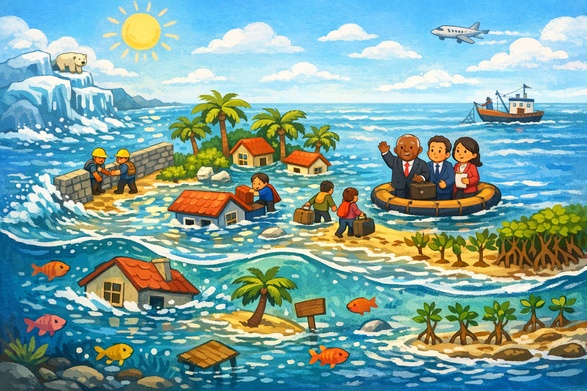
#climate change#oceans#islands#cooperation#sea level rise#united nations#island states#statehood#maritime borders
 | author: | Jake Bittle | institution: | Grist | ¿porque no los dos? |
| tl;dr | The article reports that the UN General Assembly unanimously approved a declaration supporting continued statehood and maritime boundaries for countries threatened by sea level rise. Island leaders welcome the agreement as protection for sovereignty and ocean resources. It also calls for greater access to climate adaptation funding, although it provides no new money itself. The United States did not block the declaration; a legal adviser suggests preserving maritime rights serves wealthy countries’ interests too. | ||||
| deeper: | The visible article favors international cooperation and expanded climate assistance, calling the declaration a “rare win.” Its sources largely represent island governments or their advisers. Interviews, document quotations, links, funding context, and an unanswered request for State Department comment strengthen the reporting. It acknowledges that the declaration adds no funding. However, it does not clearly distinguish political commitments from enforceable legal protections, and sweeping descriptions of maritime control and future inundation need qualification. The opening is partly obscured, limiting assessment. | ||||
media: | |||||
| gen: 2026/09/24:02:27 in 28.2 sec (old)bias: 3 (Center) |
| type: newsquality: 70 |
| pts: 0 |
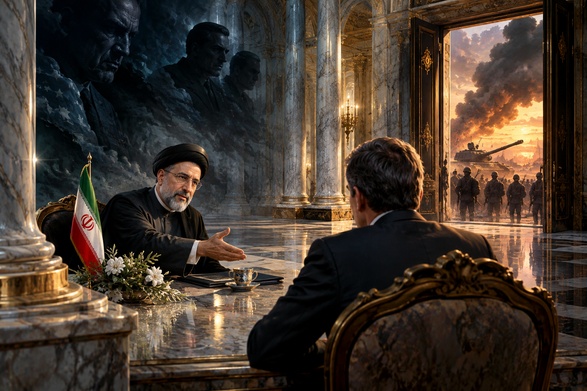
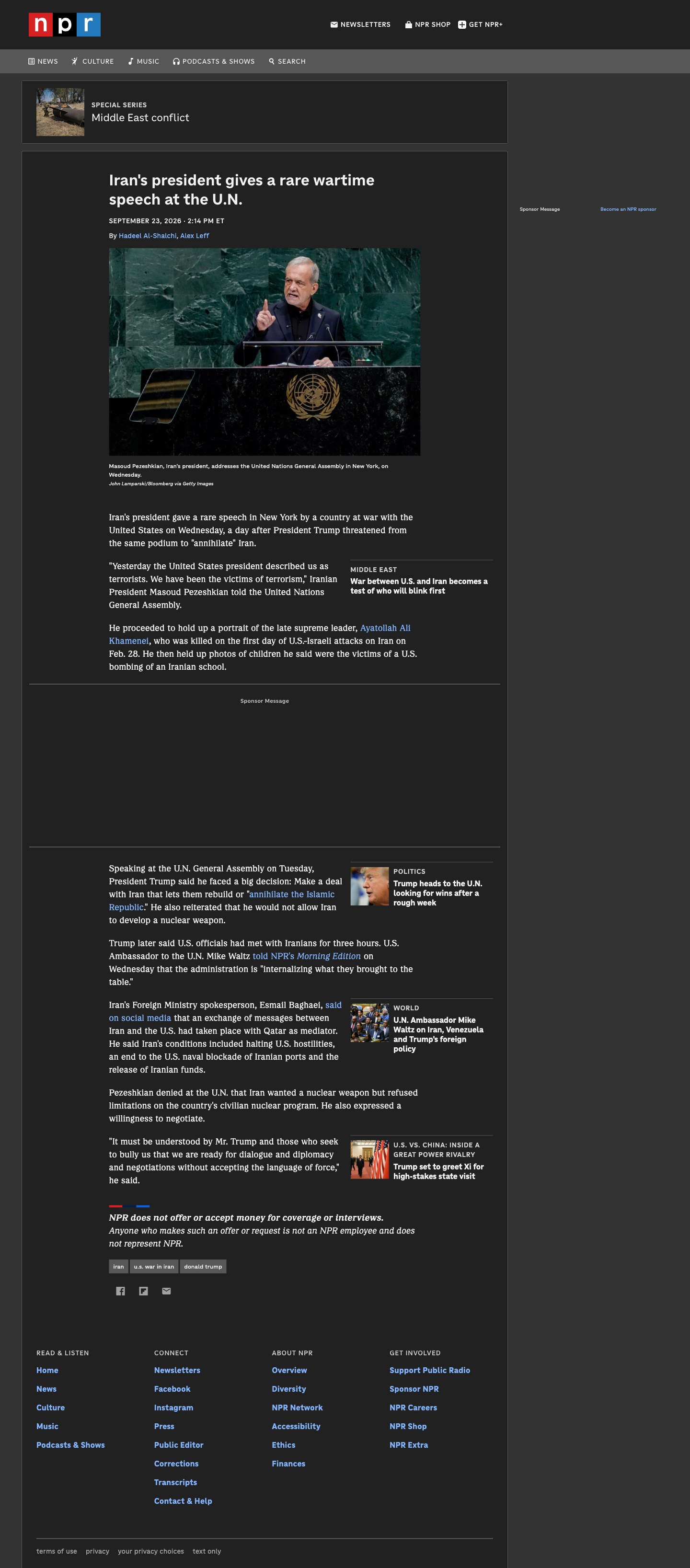 | author: | Hadeel Al-Shalchi, Alex Leff | institution: | NPR | ¿porque no los dos? |
| tl;dr | The article reports that Iranian President Masoud Pezeshkian addressed the United Nations during a war with the United States, criticizing U.S. attacks while expressing willingness to negotiate. It contrasts his remarks with President Trump’s threat to annihilate the Islamic Republic and his insistence that Iran not develop nuclear weapons. U.S. and Iranian officials describe diplomatic exchanges mediated by Qatar. Iran seeks an end to hostilities and a naval blockade, release of funds, and protection of its civilian nuclear program. | ||||
| deeper: | The report quotes both governments and generally distinguishes officials’ claims from established facts. Its opening emphasizes Trump’s threat and Iranian suffering, giving Iran’s perspective some emotional prominence. However, it also includes U.S. nuclear concerns and Iran’s refusal of restrictions, without clearly endorsing a political ideology. Named sources and links strengthen transparency. Limited independent scrutiny of wartime claims and little historical or nuclear-monitoring context weaken the reporting. The screenshots alone cannot establish the authenticity of the page or verify its consequential factual claims. | ||||
media: | |||||
| gen: 2026/09/24:02:24 in 33.9 sec (old)bias: 1 (Center) |
| type: newsquality: 55 |
| pts: 0 |
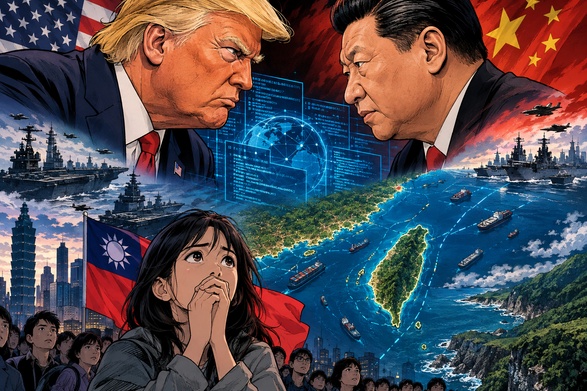
#diplomacy#china#taiwan#cybersecurity#ai#donald trump#xi jinping#rush doshi#terry gross#united states po
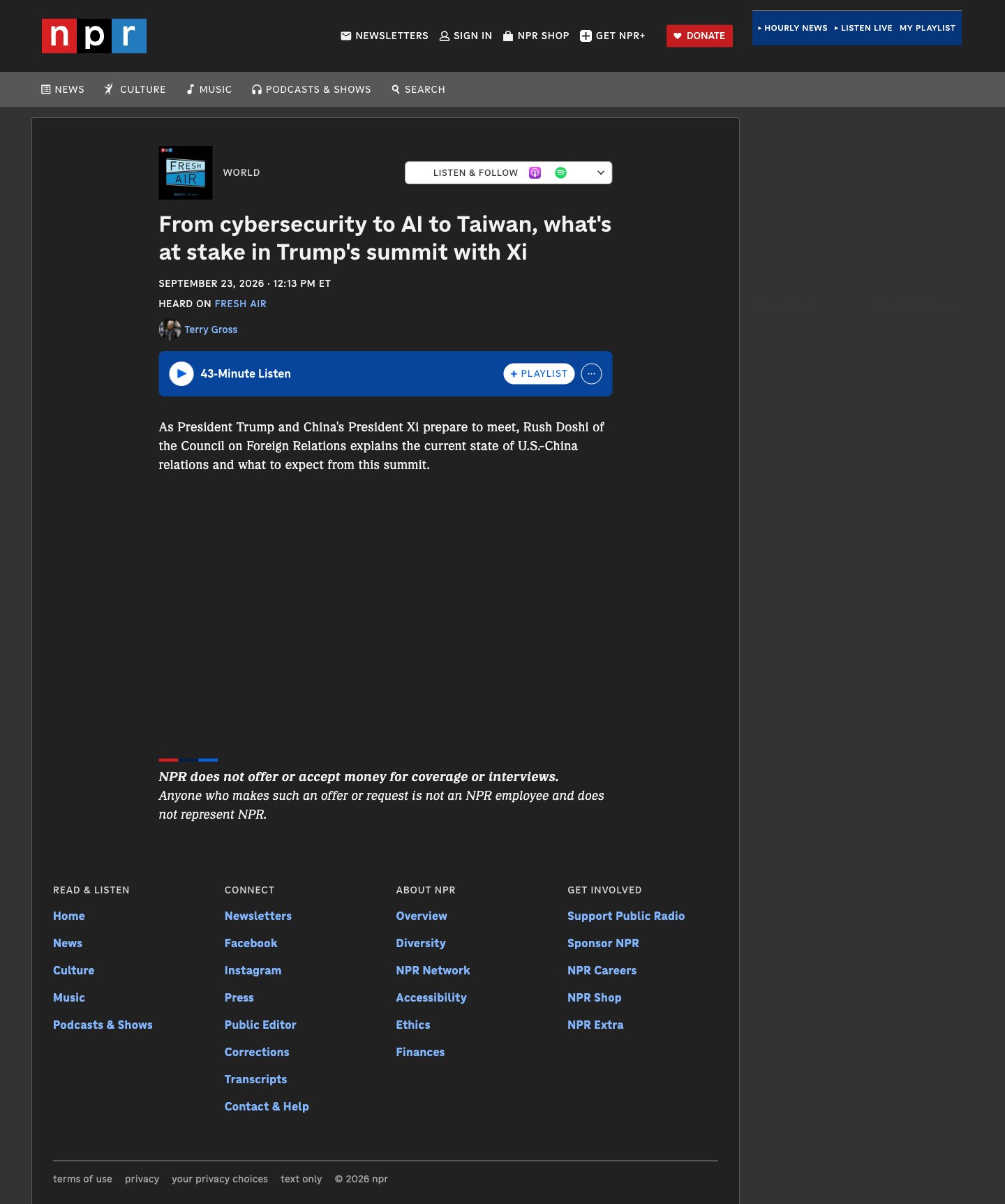 | author: | Terry Gross | institution: | NPR | ¿porque no los dos? |
| tl;dr | The page introduces a Fresh Air interview hosted by Terry Gross with Rush Doshi of the Council on Foreign Relations about U.S.–China relations ahead of a planned Trump–Xi summit. The headline highlights cybersecurity, artificial intelligence, and Taiwan. Only a brief introduction and a 43-minute audio player are visible; the interview’s arguments, evidence, and predictions cannot be assessed from these images. | ||||
| deeper: | The visible headline and introduction use neutral language without praising or attacking either leader or promoting a political position. The guest and his affiliation are clearly identified. However, the page provides no transcript, supporting evidence, or substantive policy explanation. These scores apply only to the visible introduction, not the unavailable audio; the screenshot alone also cannot establish authenticity or verify the summit details. | ||||
media: | |||||
| gen: 2026/09/24:02:21 in 31.7 sec (old)bias: 4 (Center) |
| type: newsquality: 56 |
| pts: 0 |
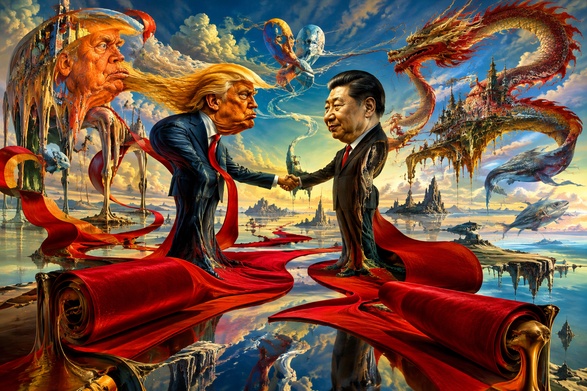
#diplomacy#china#usa#trade#politics#donald trump#xi jinping#united states#state visit#trade war backup
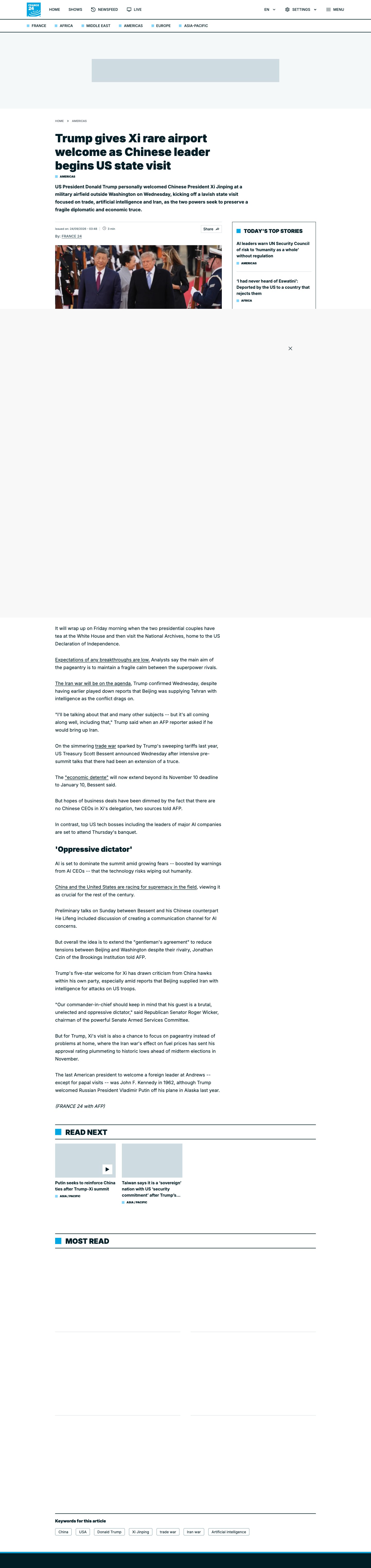 | author: | FRANCE 24 with AFP | institution: | FRANCE 24 | ¿porque no los dos? |
| tl;dr | The article reports that Trump personally welcomed Xi Jinping for a US state visit focused on trade, AI and Iran. It says a trade truce has been extended, while expectations for major breakthroughs remain low. The coverage contrasts elaborate diplomatic ceremonies with Republican criticism of Xi and concerns over alleged Chinese intelligence assistance to Iran. It also describes potential AI cooperation and Trump's domestic political difficulties. The screenshots attribute the report to France 24 with AFP and date it September 24, 2026; its authenticity and claims cannot be independently established from the images. | ||||
| deeper: | The report includes Trump's remarks, a named analyst and Republican criticism, without clearly endorsing a left- or right-wing agenda. However, repeated emphasis on 'pageantry,' the 'Oppressive dictator' subheading and speculation about distracting from domestic problems add a skeptical slant. Chinese perspectives are largely absent. Attribution and specific details help, but claims about historic polling lows and their causes lack supporting figures. The dramatic AI-extinction framing lacks nuance. Some article text is obscured, and the screenshots alone cannot authenticate the report or verify its substantial geopolitical claims. | ||||
media: | |||||
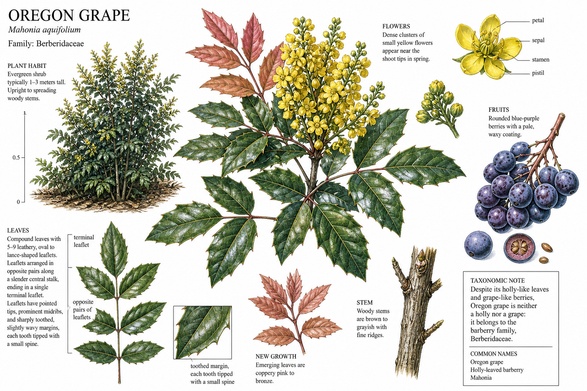
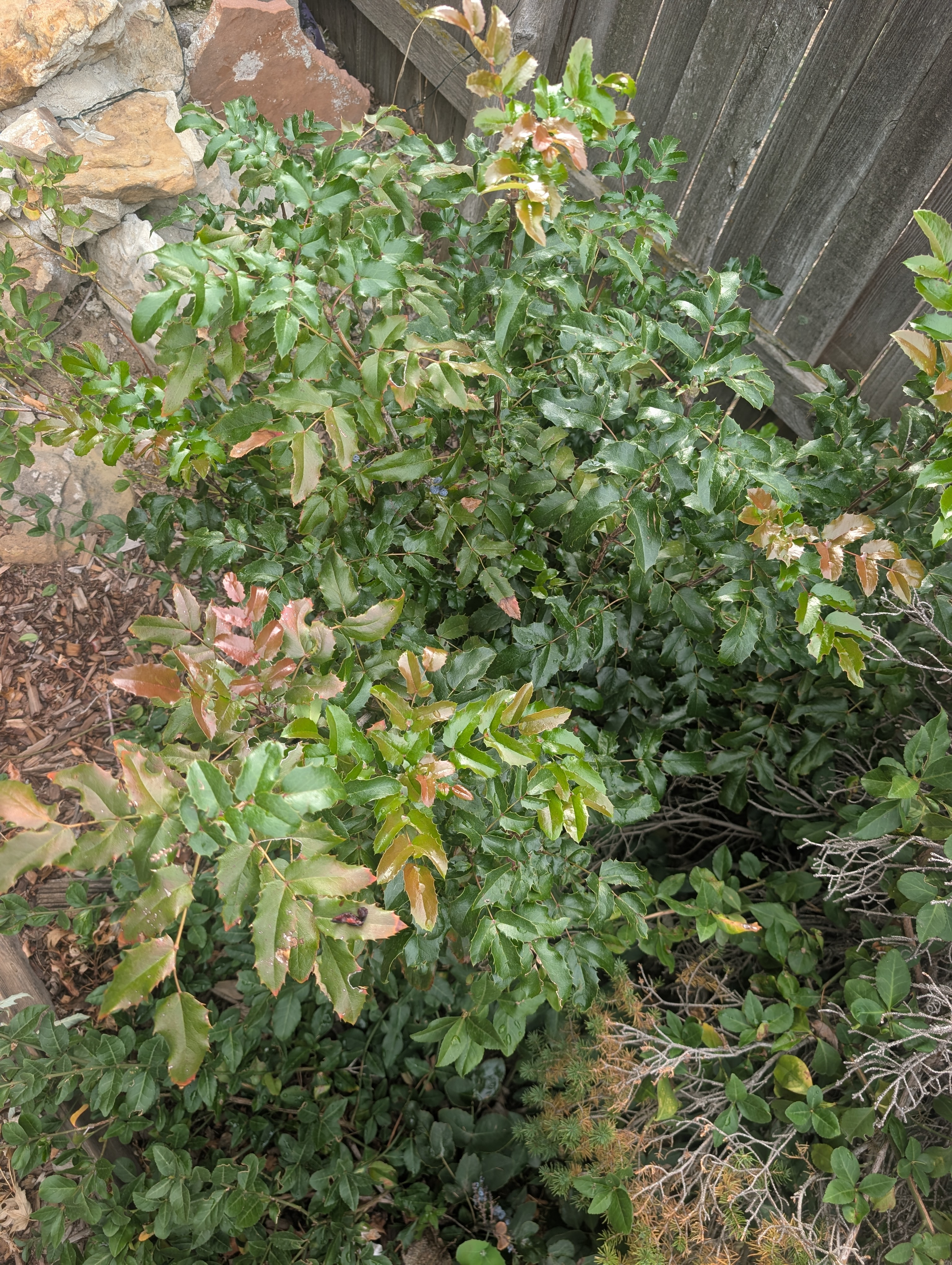
| gen: 2026/09/23:15:14 in 52.1 secname: Oregon grape |
| type: thingscientific name: Mahonia aquifolium |
| pts: 0confidence level: 93% |
| gen: 2026/09/23:15:10 in 1 min 0.8 secname: Oregon grape |
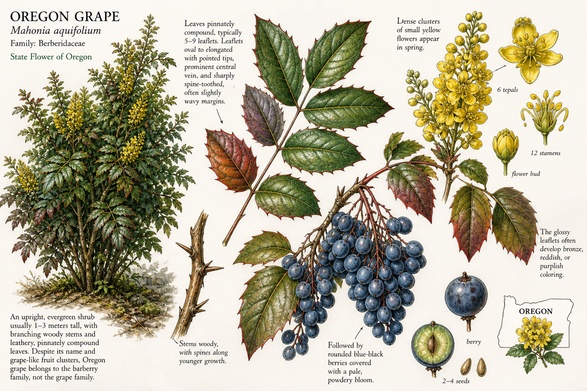
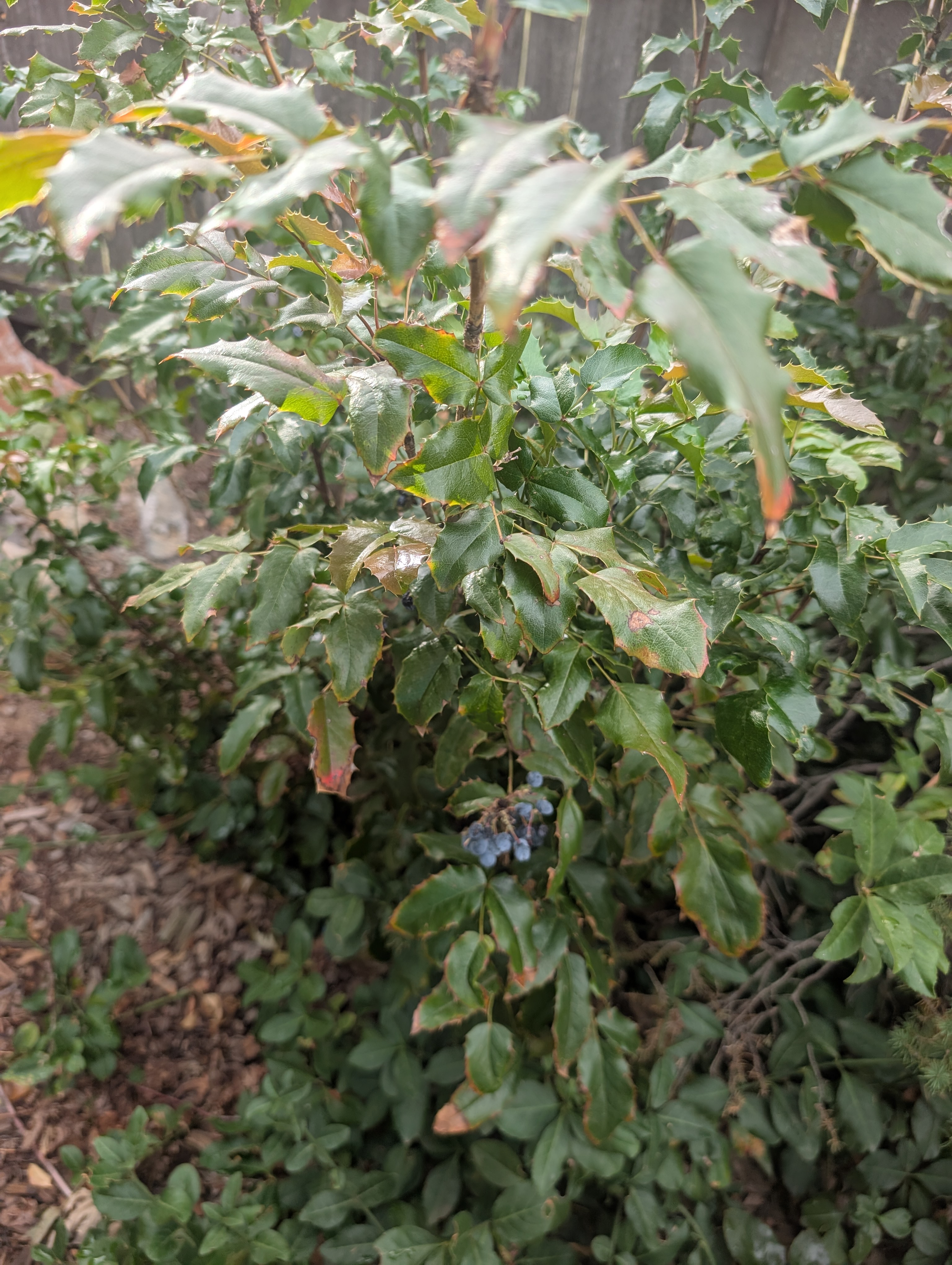
| type: thingscientific name: Mahonia aquifolium (syn. Berberis aquifolium) |
| pts: 0confidence level: 93% |
| gen: 2026/09/23:04:53 in 41.8 sec (old)bias: 3 (Center) |
| type: lolsquality: 65 |
| pts: 0 |
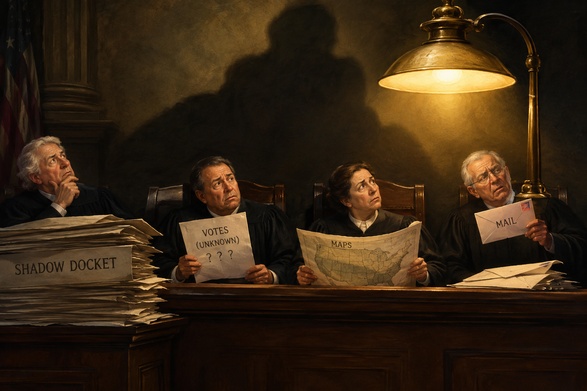
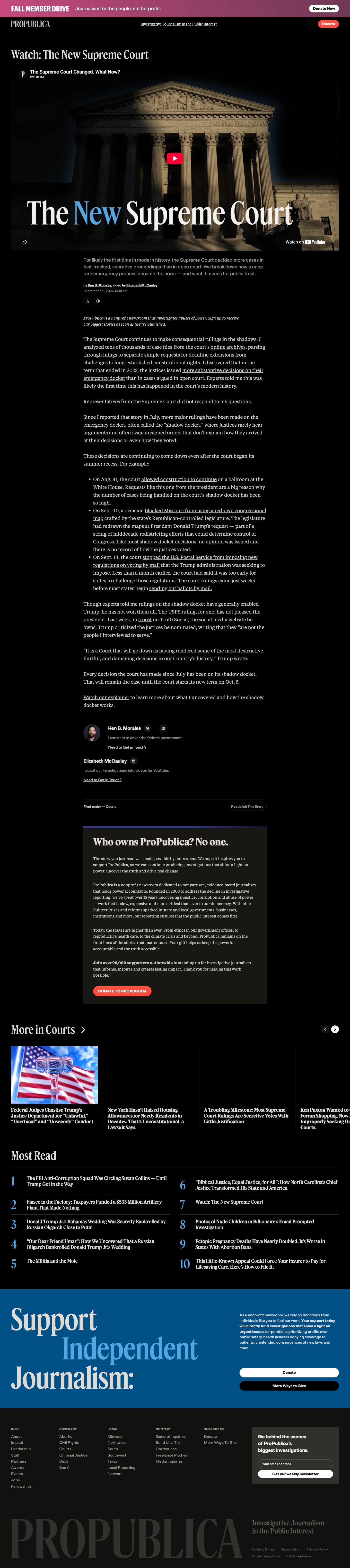 | author: | Ken B. Morales; Elizabeth McCauley | institution: | ProPublica | ¿porque no los dos? |
| tl;dr | The article argues that the Supreme Court increasingly makes consequential decisions through its emergency, or “shadow,” docket, often without oral arguments, explanations or disclosed votes. It reports that these substantive decisions outnumbered openly argued cases in the term ending in 2025. It describes subsequent rulings involving White House construction, Missouri redistricting and mail voting, while acknowledging that Trump has not always prevailed. The central concern is reduced transparency in decisions with major public consequences. | ||||
| deeper: | The article favors judicial transparency, which is not inherently partisan. However, phrases such as “in the shadows” create a critical tone, and little space explains legitimate reasons for emergency procedures. A described court-records analysis, supporting links, a request for comment and acknowledgment of Trump’s losses strengthen the reporting. The visible text supplies neither exact comparative counts nor named experts, case identifiers or detailed methodology. Its specific ruling descriptions and quotations cannot be independently verified from these screenshots alone. | ||||
media: | |||||
| gen: 2026/09/23:04:50 in 35.9 sec (old)bias: 4 (Center-Left) |
| type: lolsquality: 85 |
| pts: 0 |
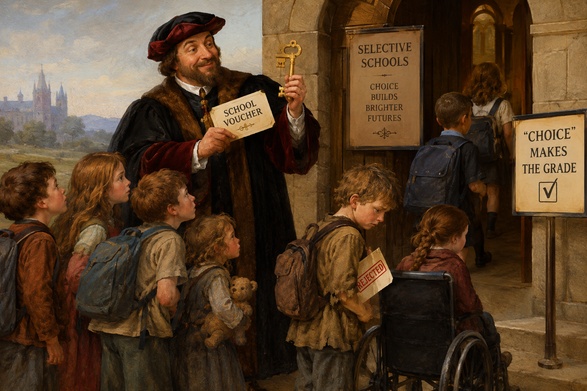
#education#disability#school vouchers#public policy#disability right#education policy#special educatio#private schools#public schools

| gen: 2026/09/23:04:47 in 36.5 sec (old)bias: 4 (Center) |
| type: lolsquality: 78 |
| pts: 0 |
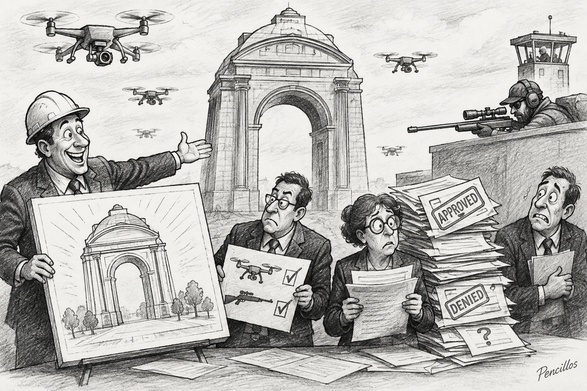
#politics#architecture#military#aviation#law#donald trump#washington dc#triumphal arch#military complex#drones#aviation safety
 | author: | Rachel Treisman | institution: | NPR | ¿porque no los dos? |
| tl;dr | The article reports that Trump wants his proposed 250-foot Washington-area triumphal arch to serve as a military complex housing drones, snipers and ammunition. It examines how that change could complicate preservation reviews, aviation assessments and ongoing litigation over congressional authorization. Preservation advocates, lawmakers and legal and military experts question the project's justification. The administration presents the arch as a national landmark and cites security needs, but provides little additional explanation in response to questions. | ||||
| deeper: | The article offers detailed procedural context, named sources, document links and administration responses, including the FAA's favorable finding. However, critics dominate, and language such as “Trump-packed” adds editorial judgment. The headline also presents a proposed military role more definitively than the body supports. Its emphasis on preservation, safety and congressional oversight does not establish a clear left-right ideology. Strong sourcing improves quality, but extended inflammatory quotations and limited independent examination of military requirements weaken balance. The screenshots alone cannot authenticate the reporting. | ||||
media: | |||||
| gen: 2026/09/22:06:03 in 27.6 sec (old)bias: 2 (Center) |
| type: newsquality: 70 |
| pts: 0 |
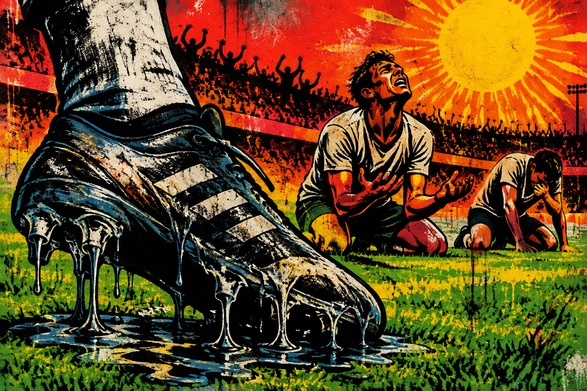
#football#extreme heat#athlete safety#artificial turf#nfl#eagles#titans#nashville#nissan stadium#extreme heat tee
 | author: | Guardian sport | institution: | The Guardian | ¿porque no los dos? |
| tl;dr | The article reports extreme heat during an Eagles–Titans game in Nashville, with artificial turf reaching 157°F, according to Fox’s broadcast. Eagles coach Nick Sirianni said he needed an IV, while center Cam Jurgens reported replacing melted cleats several times. Air temperatures reached 95°F with a 105°F heat index. Jordan Mailata called for grass fields to improve player safety. The supplied images cut off the article’s final section. | ||||
| deeper: | The reporting uses named sources, direct quotations, and clearly distinguishes turf temperature from air temperature and heat index. Its dramatic headline emphasizes alarming details but reflects claims in the text. Coverage favors players’ safety concerns without a league or stadium response, independent temperature verification, or expert context about turf and footwear. No clear partisan position appears. The screenshot alone cannot establish authenticity or verify the reported event, and the ending is incomplete. | ||||
media: | |||||
| gen: 2026/09/22:06:02 in 24.3 sec (old)bias: 3 (Unknown) |
| type: newsquality: 65 |
| pts: 0 |

 | author: | Matt Hughes | institution: | The Guardian | ¿porque no los dos? |
| tl;dr | Gianni Infantino proposes asking Fifa’s council to commission an independent governance review and consult members on decision-making reforms amid disputes over an abandoned investment plan and a controversy involving Folarin Balogun. The proposed review does not explicitly cover either dispute. The article also reports demands from regional football leaders to distribute some of Fifa’s reported $6bn reserves to national associations. | ||||
| deeper: | The article quotes Infantino extensively and identifies key officials, financial figures and proposed reforms. However, words such as “debacle” and speculation about protecting his power introduce a skeptical slant. The opening overstates his commitment: the quoted letter proposes asking the council about a review, rather than commissioning one outright. Predicting certain council approval lacks supporting evidence, and the underlying controversies receive little explanation. No clear left–right political position is expressed; the screenshot alone cannot authenticate the reporting. | ||||
media: | |||||
| gen: 2026/09/21:17:46 in 35.3 sec (old)bias: 2 (Center) |
| type: newsquality: 42 |
| pts: 0 |
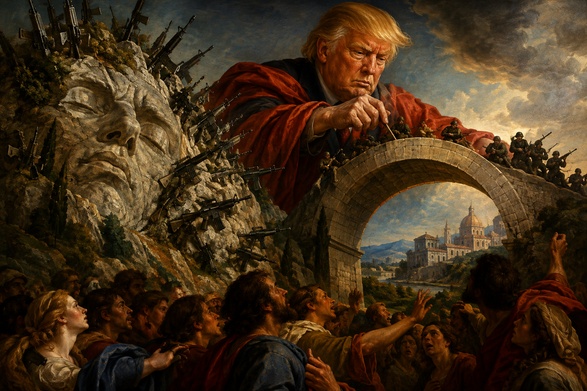
#politics#military#architecture#washington dc#donald trump#proposed arch#military complex#construction#snipers
 | author: | Franco Ordoñez, Steve Inskeep | institution: | NPR | ¿porque no los dos? |
| tl;dr | The displayed NPR item reports that President Trump says his proposed Washington, D.C., arch would also function as a military complex. Its headline mentions snipers and weaponry, while the brief description notes opposition to his construction projects in the capital. The supplied page contains only a headline and short summary, not a detailed report or interview transcript. | ||||
| deeper: | The wording attributes the central claim to Trump rather than presenting it as independently established. Highlighting snipers, weaponry, and pushback creates a dramatic frame, but there is no clear endorsement of a political ideology. Named journalists and a publication date provide accountability. However, the visible text supplies no supporting quotation, project details, explanation of the opposition, or corroboration. This score assesses the limited material shown; the screenshot alone cannot establish authenticity or accuracy. | ||||
media: | |||||
| gen: 2026/09/21:17:43 in 26.6 sec (old)bias: 2 (Center) |
| type: newsquality: 65 |
| pts: 0 |
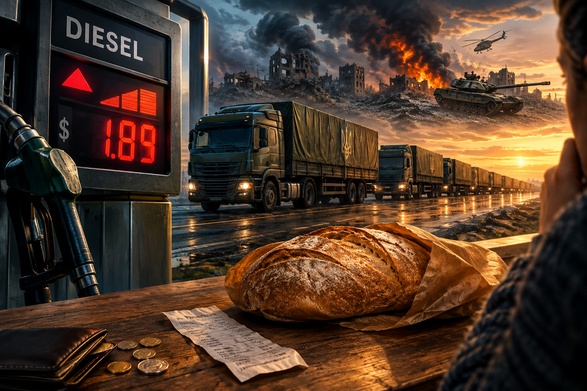
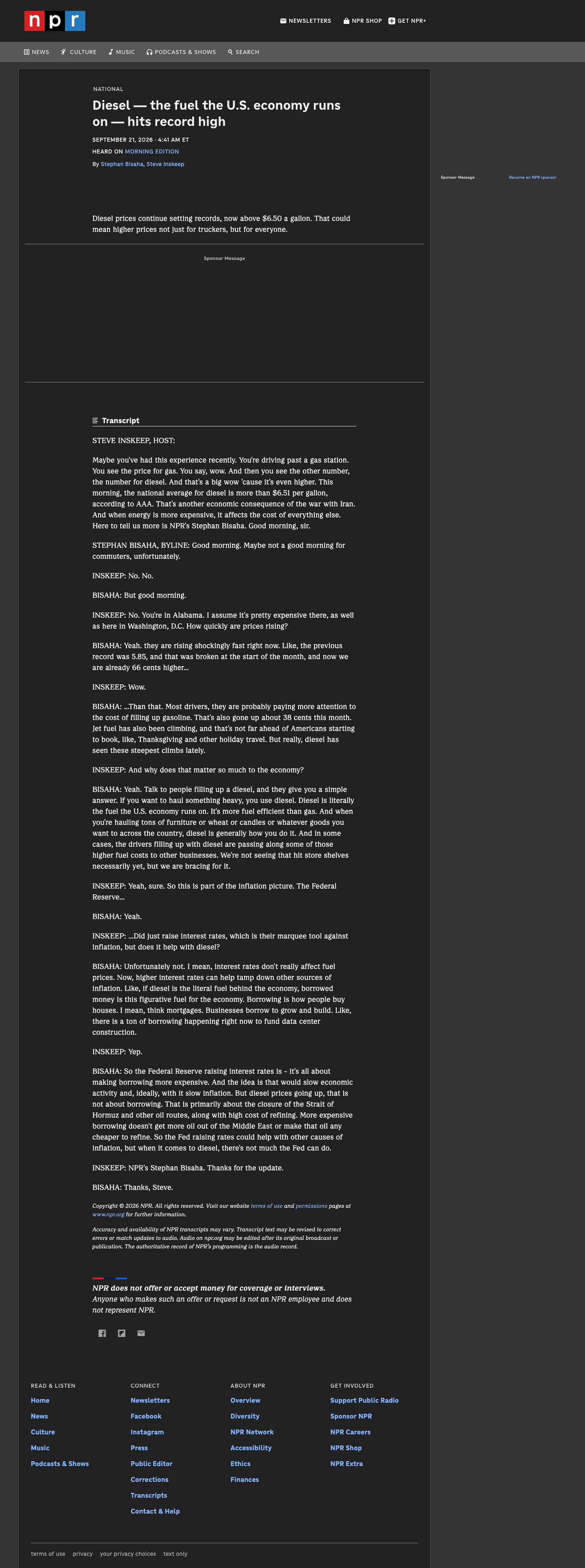 | author: | Stephan Bisaha, Steve Inskeep | institution: | NPR | ¿porque no los dos? |
| tl;dr | The article reports a national average diesel price above $6.51 per gallon, citing AAA. It attributes the increase to war with Iran, disrupted oil routes through the Strait of Hormuz, and refining costs. Because diesel powers much freight transportation, higher prices could spread to consumer goods, though the report says that effect is not yet clearly evident on store shelves. It explains that Federal Reserve interest-rate increases cannot directly resolve these supply disruptions. | ||||
| deeper: | The report emphasizes economic consequences without promoting a political party or ideology. Phrases such as “shockingly fast” add mild alarm, but it distinguishes potential consumer price increases from observed effects. AAA attribution and clear explanations are strengths. However, major claims about the war, shipping disruptions, and refining costs lack supporting sources in the text. Saying interest rates do not affect fuel prices is too categorical: reduced demand can affect them indirectly. The screenshot alone does not independently verify the reported events or figures. | ||||
media: | |||||
| gen: 2026/09/21:17:40 in 33.8 sec (old)bias: 3 (Center) |
| type: newsquality: 80 |
| pts: 0 |
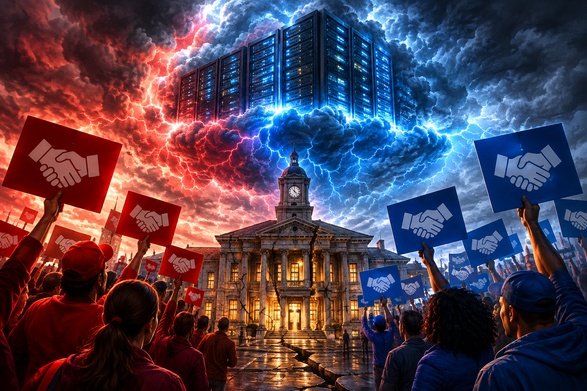
#data centers#politics#community#technology#ai#local politics#loudoun county#virginia#maryland prefect
 | author: | Scott Neuman | institution: | NPR | ¿porque no los dos? |
| tl;dr | The article describes how opposition to data centers is uniting residents across party lines and disrupting local politics. Noise, electricity and water demands, and confidential development deals are fueling distrust and prompting restrictions. Examples center on Virginia and Maryland, with additional cases nationwide. The reporting also acknowledges substantial tax revenue, construction jobs and other economic benefits, and includes industry responses. Its central argument is that community concerns and demands for transparency increasingly outweigh traditional party loyalties. | ||||
| deeper: | The article favors residents’ perspectives through protest imagery, extensive activist quotations and dramatic language about political upheaval. However, its emphasis on transparency and local accountability is not distinctly partisan, and it includes industry responses and concrete tax benefits. Named sources, linked studies, polling and multiple local examples strengthen the reporting. Weaknesses include limited explanation of polling and movement-count methodology, little quantified comparison of environmental costs and benefits, and a sweeping national thesis supported largely by selected communities. The screenshots alone do not independently verify the linked claims. | ||||
media: | |||||
| gen: 2026/09/20:20:37 in 24.4 sec (old)bias: 3 (Center) |
| type: newsquality: 77 |
| pts: 0 |
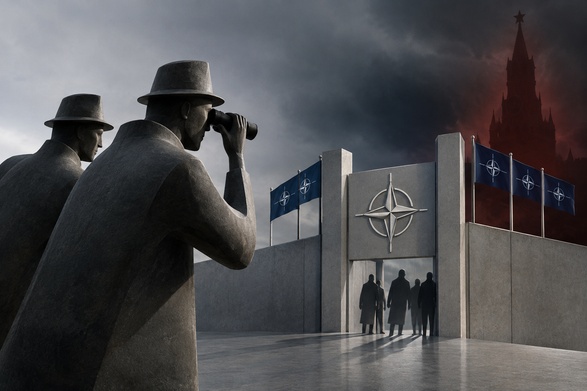
 | author: | Shaun Walker | institution: | The Guardian | ¿porque no los dos? |
| tl;dr | European intelligence chiefs warn that Russia could intensify sabotage and potentially test Nato with limited military action within months. Baltic officials, however, report no signs of an imminent attack and caution that alarmist messaging could serve Moscow’s efforts to spread fear. Officials describe increasing threats to transport, defence industries and infrastructure supporting Ukraine. Russia denies planning an attack on Nato. The article also reports European doubts about Moscow’s commitment to peace negotiations, while acknowledging that the intelligence behind the warnings has not been disclosed. | ||||
| deeper: | The article prioritizes European security officials’ perspectives, but includes substantial disagreement, warnings against panic and Russia’s denial. Its framing does not clearly map onto left-right politics. Named interviews, direct quotations and historical context strengthen the reporting. However, the headline sounds more certain than the underlying assessments, and undisclosed intelligence prevents readers from testing the central claims. Some sweeping assertions, notably about destruction of Russian oil infrastructure, lack supporting figures. These scores assess the supplied text; the screenshot’s authenticity and reported events are not independently verified. | ||||
media: | |||||
| gen: 2026/09/20:20:34 in 18.0 sec (old)bias: 1 (Center) |
| type: newsquality: 40 |
| pts: 0 |
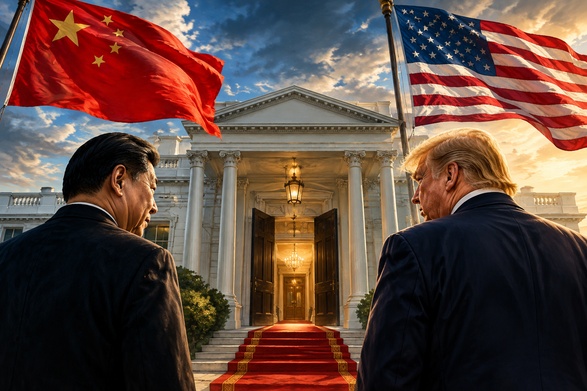
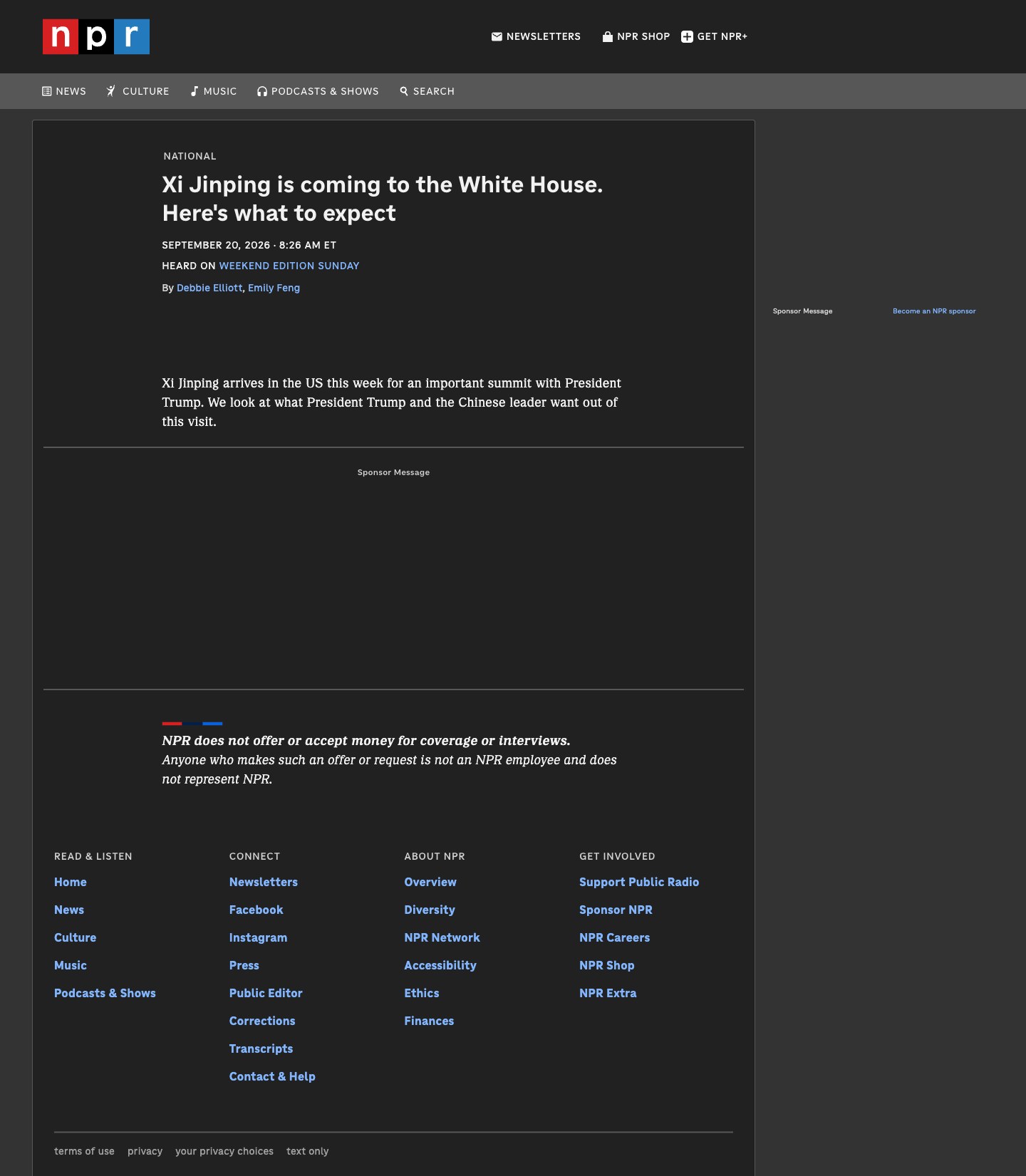 | author: | Debbie Elliott, Emily Feng | institution: | NPR | ¿porque no los dos? |
| tl;dr | The screenshot presents a brief preview of an anticipated White House summit between Chinese leader Xi Jinping and President Donald Trump. Dated September 20, 2026, it says Xi will arrive in the United States that week and promises to examine both leaders’ goals. The visible text does not actually describe those goals, provide supporting sources, or explain the summit’s agenda. | ||||
| deeper: | The visible wording treats both leaders neutrally and gives neither side preferential treatment. Calling the summit “important” adds mild emphasis, not clear political bias. Quality is limited by the extremely short excerpt: the headline promises expectations, but no substantive analysis, sourcing, or agenda appears. These scores apply only to the visible material, not any accompanying broadcast. The screenshot alone cannot establish the authenticity of the page or confirm the reported visit. | ||||
media: | |||||
| gen: 2026/09/20:20:31 in 29.7 sec (old)bias: 3 (Center) |
| type: newsquality: 66 |
| pts: 0 |
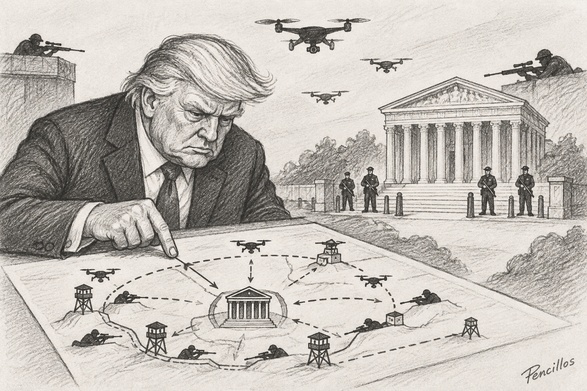
#politics#military#monuments#law#donald trump#washington dc#triumphal arch#national mall#national securit#military drones
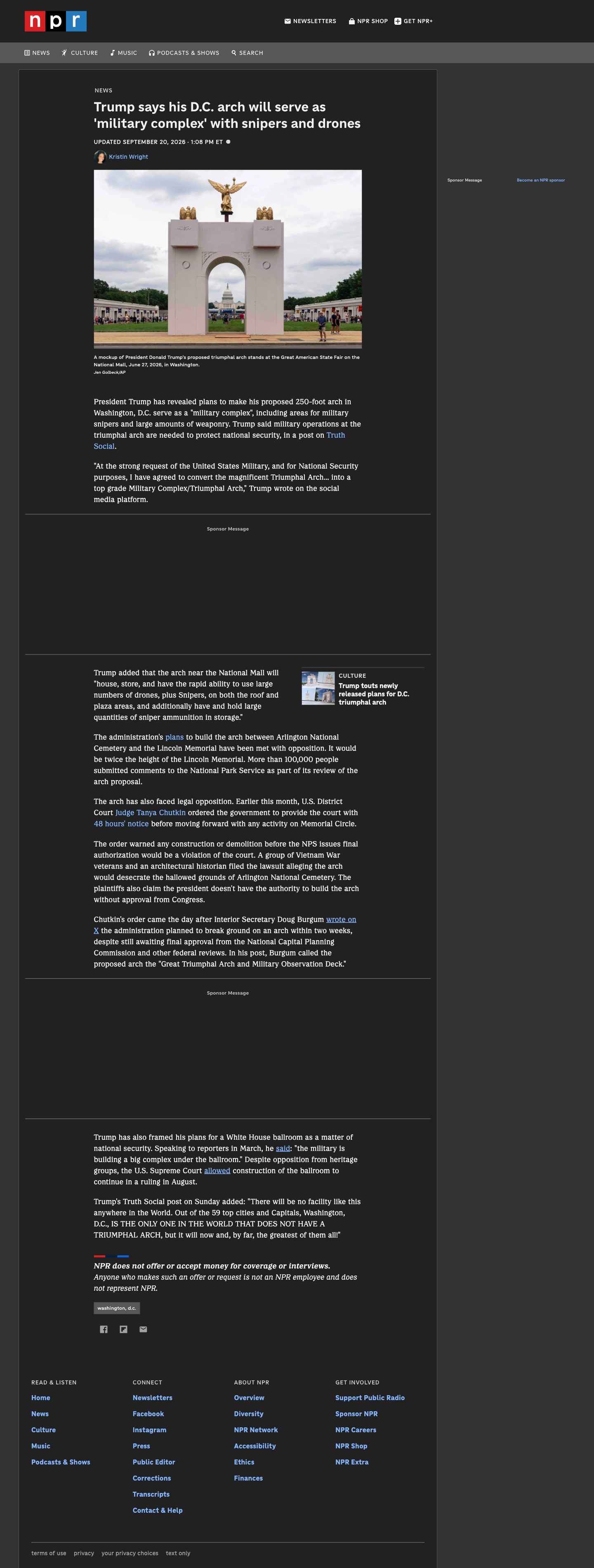 | author: | Kristin Wright | institution: | NPR | ¿porque no los dos? |
| tl;dr | The article reports that Trump wants his proposed 250-foot Washington, D.C., triumphal arch to double as a military facility housing drones, snipers and ammunition. It describes legal challenges, pending federal approvals and objections concerning nearby Arlington National Cemetery. It also connects the proposal to his national-security justification for a White House ballroom. These claims are attributed to social media posts and court actions; the screenshots alone do not establish their authenticity. | ||||
| deeper: | The language is mostly restrained, and the alarming headline reflects quotations attributed to Trump rather than editorial insults. Coverage emphasizes legal obstacles and opposition but includes the administration’s security rationale, without clearly endorsing a political ideology. Named sources, links and procedural detail strengthen the presentation. However, it offers no independent military assessment, leaves the sweeping claim about other cities’ arches unchecked, and does not clarify how many public comments opposed the project. Authenticity and linked evidence cannot be verified from screenshots. | ||||
media: | |||||
| gen: 2026/09/19:21:49 in 26.0 sec (old)bias: 3 (Center) |
| type: newsquality: 68 |
| pts: 0 |
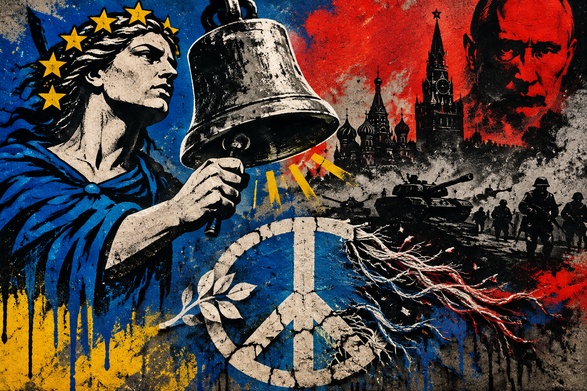
 | author: | Charles Maynes, Scott Simon | institution: | NPR | ¿porque no los dos? |
| tl;dr | European leaders warn of alleged Russian hybrid attacks, including sabotage, cyberattacks, election interference and drone incursions. The report explains Western intelligence claims linking these activities to Moscow, while acknowledging uncertainty and presenting Russian denials. It explores the theory that Russia seeks to weaken support for Ukraine without triggering NATO’s collective defense commitment. France and Poland favor tougher measures, contrasted with the Trump administration’s emphasis on engagement. The segment leaves open which approach would work better. | ||||
| deeper: | The report foregrounds European security concerns but asks directly about proof, includes Russian denials and avoids endorsing either sanctions or engagement. This supports a broadly centrist assessment rather than a clear partisan alignment. Phrases such as “the Russians are coming” and “death to Article 5 by a thousand cuts” heighten alarm. The explanation of hybrid warfare is accessible, but major incidents and intelligence claims lack specific sources or independently presented evidence. Commentary about Russian public attitudes is speculative. These limitations reduce the report’s evidentiary strength. | ||||
media: | |||||
| gen: 2026/09/19:21:46 in 25.6 sec (old)bias: 3 (Center) |
| type: newsquality: 76 |
| pts: 0 |
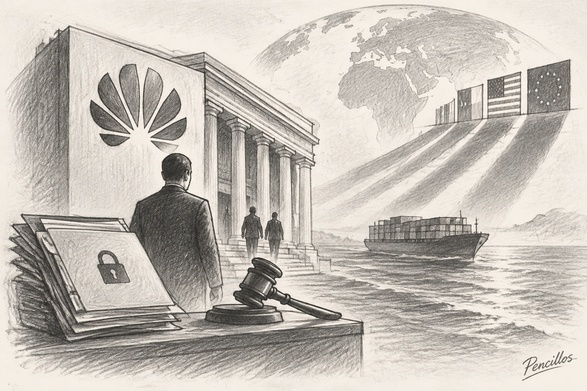
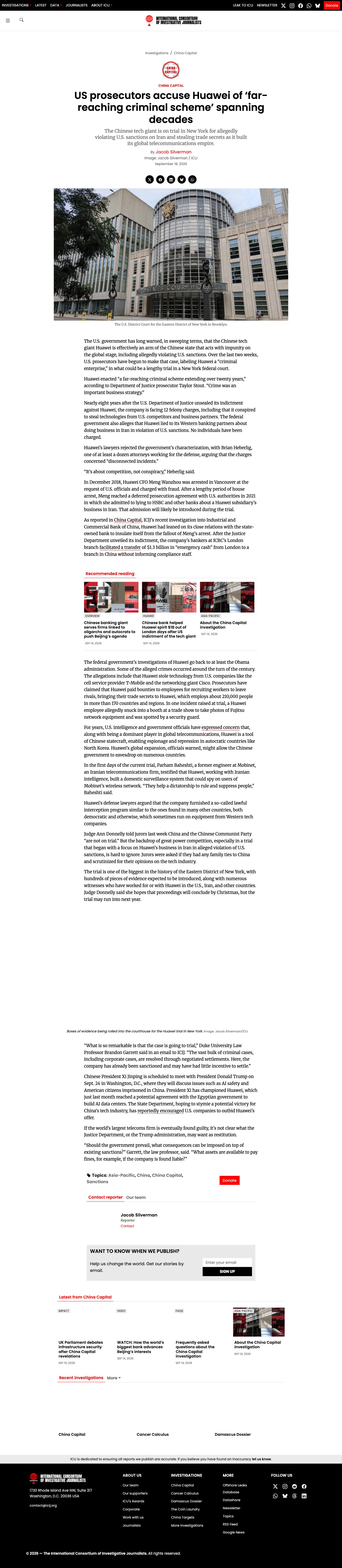 | author: | Jacob Silverman | institution: | International Consortium of Investigative Journalists (ICIJ) | ¿porque no los dos? |
| tl;dr | The article reports on Huawei’s New York federal trial over alleged trade-secret theft, bank deception and violations of U.S. sanctions on Iran. Prosecutors describe a decades-long criminal scheme; Huawei’s lawyers characterize the accusations as disconnected incidents and legitimate competition. The report also covers testimony about surveillance technology in Iran, Huawei’s banking relationships and U.S.–China technology rivalry. A legal expert questions what additional penalties could accomplish given existing sanctions. No verdict is reported. | ||||
| deeper: | The headline accurately attributes its strong accusation, and the article includes defense arguments, named sources and independent legal commentary. However, prosecution claims and national-security concerns dominate, giving Huawei’s alleged wrongdoing greater emphasis than its rebuttals. This is a prosecution-leaning frame, not a clear left–right position. Historical context adds value, but “No individuals have been charged” needs qualification given the later account of Meng’s charges. The sweeping claim about the trial’s historic size is unsupported, and the screenshots alone cannot verify the reported proceedings. | ||||
| gen: 2026/09/19:21:43 in 34.5 sec (old)bias: 3 (Center) |
| type: newsquality: 88 |
| pts: 0 |


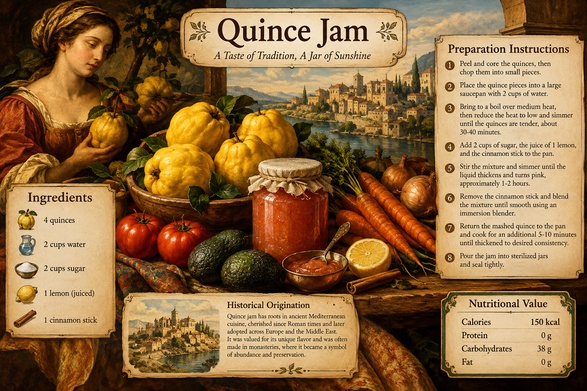
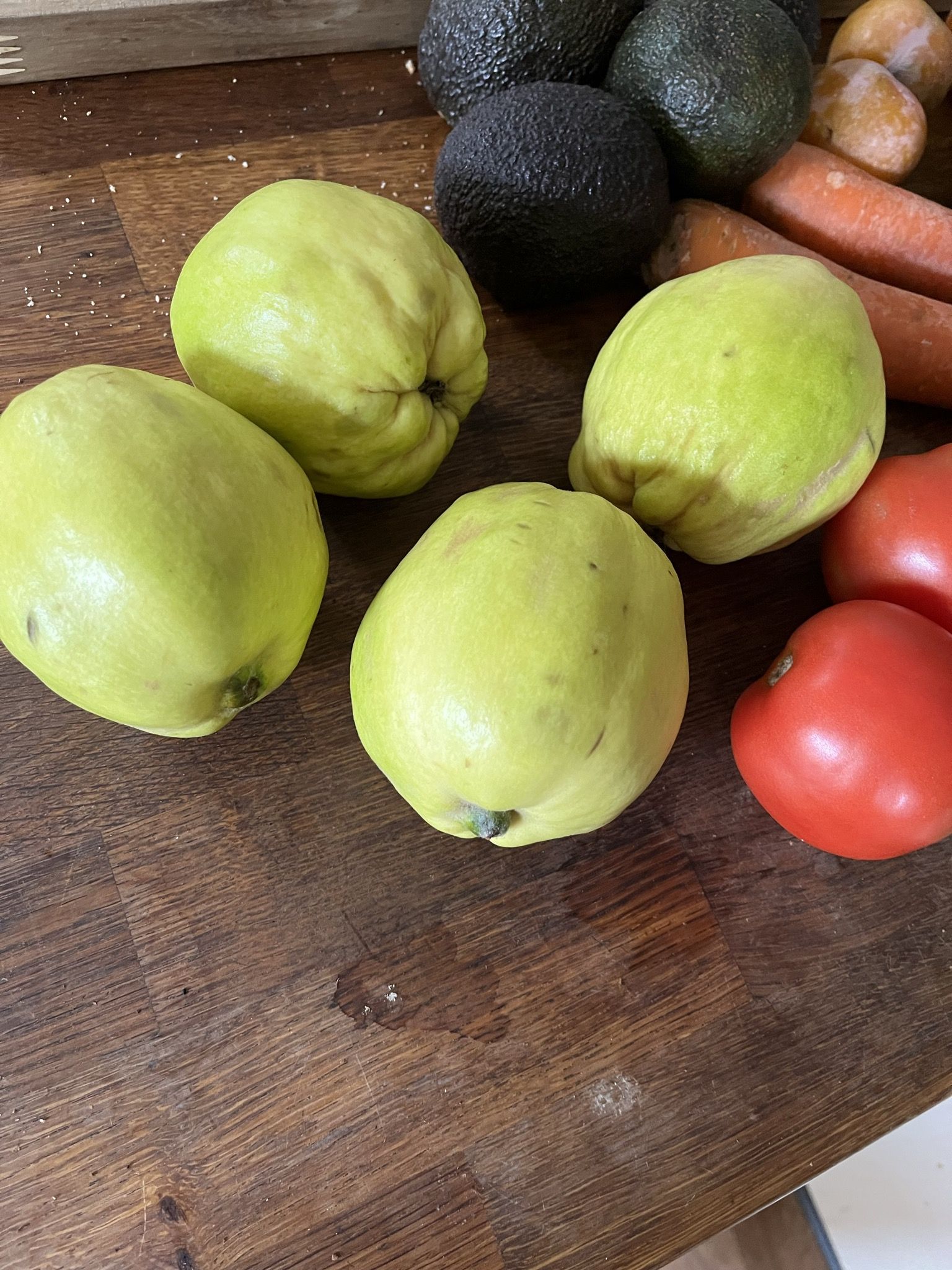
Quince Jam
Sweet with a hint of tartness and a warm cinnamon aroma.
Ingredients
- 4 quinces
- 2 cups water
- 2 cups sugar
- 1 lemon (juiced)
- 1 cinnamon stick
Preparation
- Peel and core the quinces, then chop them into small pieces.
- Place the quince pieces into a large saucepan with 2 cups of water.
- Bring to a boil over medium heat, then reduce the heat to low and simmer until the quinces are tender, about 30-40 minutes.
- Add 2 cups of sugar, the juice of 1 lemon, and the cinnamon stick to the pan.
- Stir the mixture and simmer until the liquid thickens and turns pink, approximately 1-2 hours.
- Remove the cinnamon stick and blend the mixture until smooth using an immersion blender.
- Return the mashed quince to the pan and cook for an additional 5-10 minutes until thickened to desired consistency.
- Pour the jam into sterilized jars and seal tightly.
Nutrition (per serving)
Calories150 kcal
Protein0 g
Carbs38 g
Fat0 g
Origin
Quince jam has its origins in ancient Persia and has been a popular preserve in Mediterranean and Middle Eastern cuisines for centuries.
| gen: 2026/09/18:18:48 in 37.0 secbias: 3 (Unknown) |
| type: colorquality: 45 |
| pts: 0 |
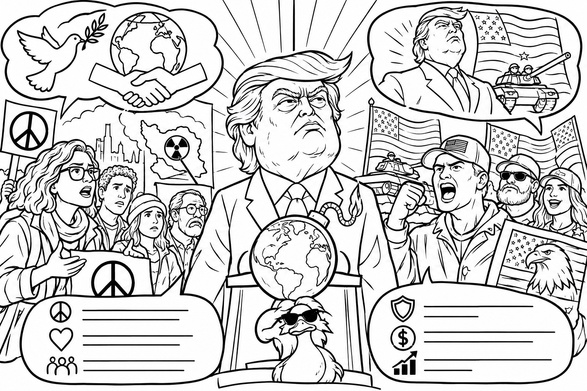
#politics#war#diplomacy#iran#trump#iran war#donald trump#barack obama#us presidency#national securit
Leftist
Yet another disastrous consequence of unchecked power. The Trump administration's aggressive stance on Iran risks not just regional peace but global stability. Diplomacy should always triumph over reckless showmanship. This isn't just about jeopardizing a political career; it's jeopardizing lives. When will we learn that war isn't the answer? We need leaders who prioritize humanity over hubris, fostering dialogue over division.
Rightist
This is a classic case of fearmongering from the left. The Trump administration is taking strong steps to ensure national security. Liberals may call it jeopardizing, but it's about protecting American interests and showing strength against adversaries like Iran. Sometimes, peace requires power. It's time to stop apologizing for America and start safeguarding our future. Trump’s decisive actions show the world we won’t back down.
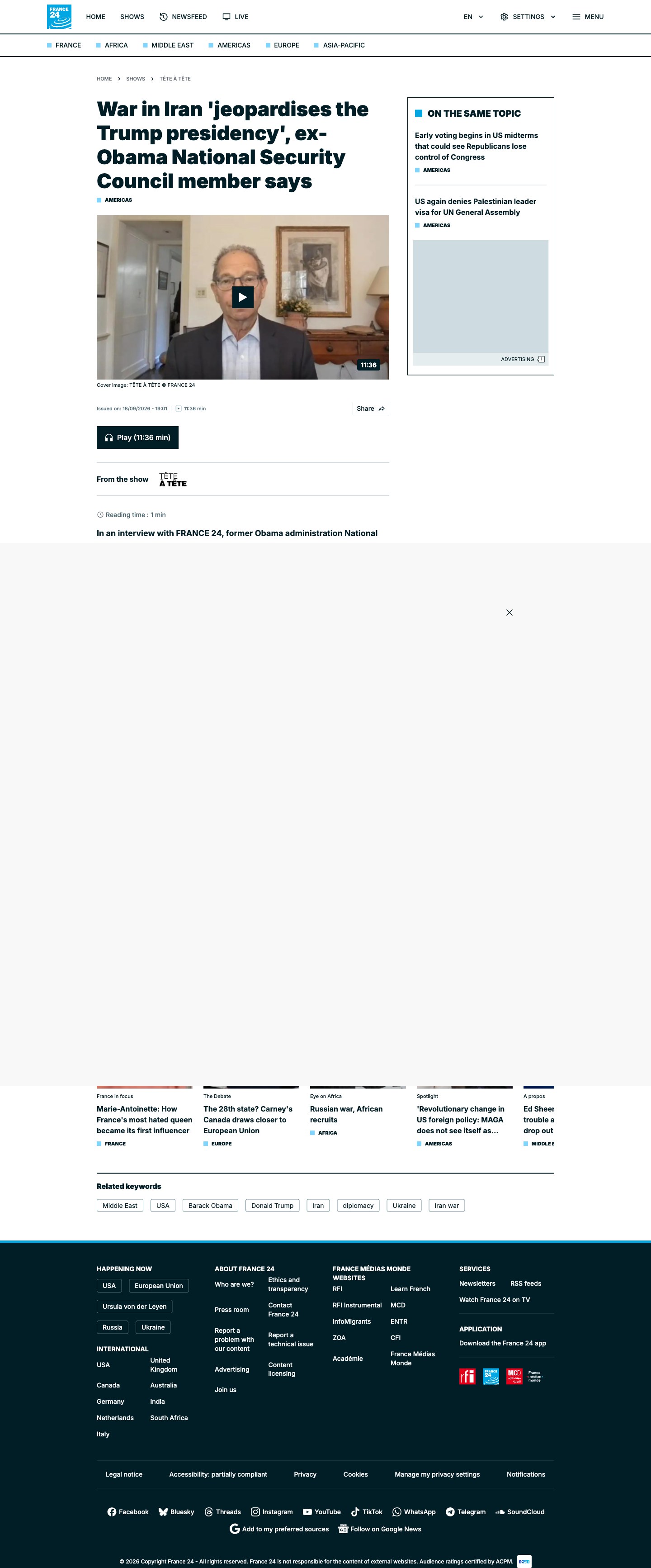 | author: | Unknown | institution: | France 24 | ¿porque no los dos? |
| tl;dr | The visible France 24 page previews an interview with a former Obama administration National Security Council member who argues that war in Iran jeopardises Donald Trump’s presidency. The headline presents this as the guest’s assessment, not an established outcome. Most of the article text is obscured, and the interview itself cannot be assessed from these screenshots. | ||||
| deeper: | The headline foregrounds a dramatic prediction from one former administration official, giving the visible coverage a narrow perspective. However, quotation marks and explicit attribution distinguish opinion from fact. Criticism of Trump alone does not establish a left–right position. The page supplies publication details and an interview format, but the obscured text prevents evaluation of evidence, questioning, context or competing views. The quality score applies only to the material visible here. | ||||
media: No Media Preview | |||||
| gen: 2026/09/18:18:45 in 36.9 secbias: 3 (Center) |
| type: colorquality: 72 |
| pts: 0 |
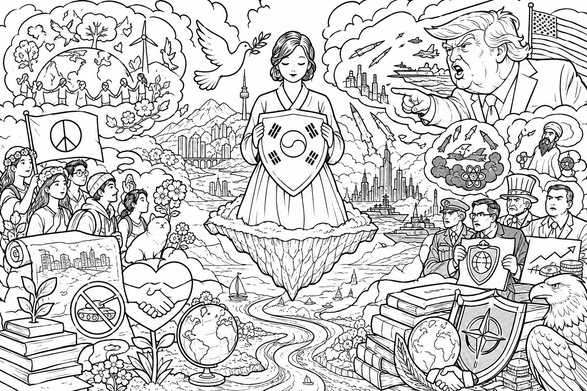
#us-foreign-polic#south-korea#iran-conflict#military-allianc#diplomatic-strat#south korea#lee jae myung#donald trump#iran#strait of hormuz#military policy
Leftist
This decision marks a bold stand for peace and sovereignty against yet another dangerous US initiative in the Middle East. South Korea is prioritizing its citizens’ will and rejecting military pressure from Trump’s imperialistic demands. History reminds us of the chaos that followed compliance in US-led wars. The refusal shows courage, thinking beyond capitalist interests and valuing diplomatic solutions. South Korea sets a precedent against warmongering empires, embodying globalization with empathy and peace.
Rightist
South Korea's decision smacks of a troubling defiance of global commitments. Trump’s stance was clear: allies must contribute to preserving regional stability and security. Turning away from this responsibility showcases a lack of strategic foresight. History warns us that appeasement risks emboldening adversaries like Iran. Economic interests are secondary to maintaining a strong defense posture. South Korea’s refusal could jeopardize relations and embolden rogue regimes, weakening alliances.
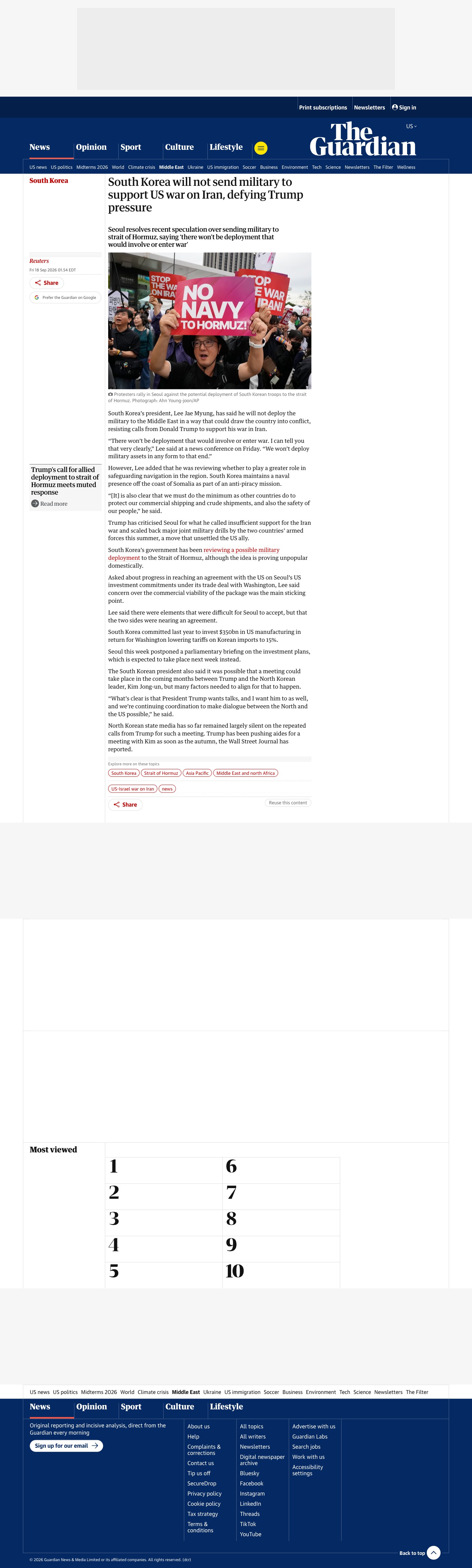 | author: | Reuters | institution: | The Guardian | ¿porque no los dos? |
| tl;dr | South Korean president Lee Jae Myung says the country will not deploy forces in ways that would draw it into the Iran war, while considering measures to protect shipping and citizens. The article describes US pressure for support and domestic opposition to deployment. It also reports continuing negotiations over South Korea’s $350bn US investment commitment and the possibility of talks between Donald Trump and North Korean leader Kim Jong-un. | ||||
| deeper: | Direct quotations support the central account, and the article includes Lee’s willingness to protect shipping, adding nuance. However, the headline sounds more categorical than his qualified rejection of war-related deployments. “His war” and “defying Trump pressure,” alongside the protest photograph, emphasize confrontation. These choices do not establish a clear left-right ideology. Reporting relies heavily on Lee, without a direct US response or evidence quantifying domestic opposition. The screenshot’s authenticity and factual claims cannot be independently verified here, and the ending is cut off. | ||||
| gen: 2026/09/18:18:42 in 31.0 secbias: 2 (Center) |
| type: colorquality: 82 |
| pts: 0 |
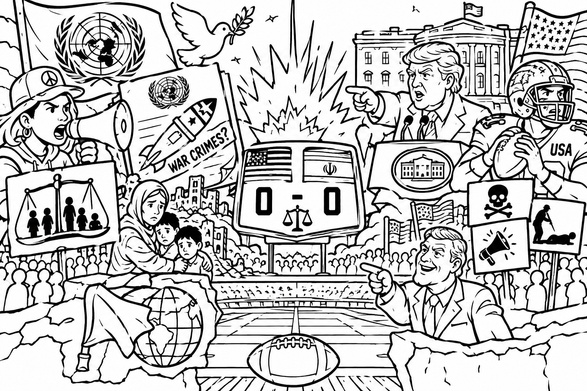
#war crimes#international la#human rights#u.s. politics#iran conflict#iran#united states#united nations#israel#minab#lamerd city stri
Leftist
The U.N. report drops a bombshell bigger than any Tomahawk, accusing the U.S. of potential war crimes in Iran. This is like a penalty flag thrown on the field of global justice, demanding accountability for everyone. Civilian losses exceed a hundred, mostly women and children, in strikes in Minab. It's a brutal reminder that the world is less like a fair game and more like an unfair fight. Both the U.S. and Iran must pay reparations; it's time to share the scoreboard of responsibility.
Rightist
Hold onto your seats, folks! The U.N. expert team just tried a Hail Mary against the U.S., claiming war crimes in Iran. But the White House fires back like John Elway in overtime, denying the accusations and pointing fingers at Iran's horrific track record. They've been executing and terrorizing without remorse. In the geopolitical field, the U.S. remains the quarterback, defending democracy while facing flags that seem more about sensationalism than fairness.
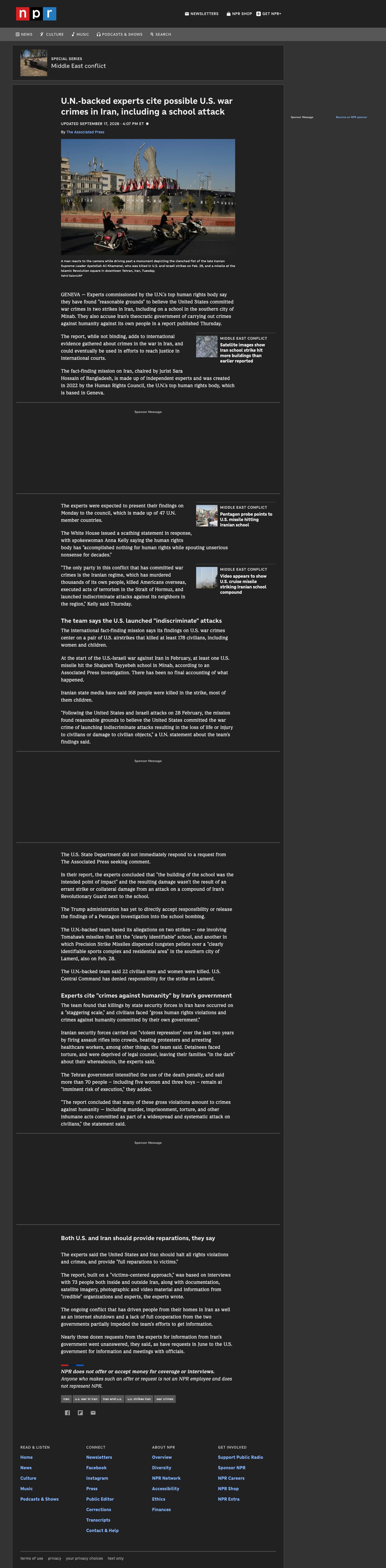 | author: | The Associated Press | institution: | NPR | ¿porque no los dos? |
| tl;dr | The article reports that U.N.-commissioned experts found reasonable grounds to suspect U.S. war crimes in two strikes in Iran, including an attack on a school in Minab. The same report accuses Iranian authorities of crimes against humanity through killings, torture and repression. U.S. officials reject the allegations. Experts call for reparations from both governments. Their findings draw on interviews and visual evidence, but information gathering was hindered by conflict, internet restrictions and government noncooperation. The report is not a binding judicial ruling. | ||||
| deeper: | The article emphasizes civilian protection and legal accountability without clearly endorsing a partisan position. It attributes allegations, includes substantial U.S. rebuttals, covers Iranian abuses and explains investigative limitations. Strong wording largely comes from identified sources. Its main weaknesses are reliance on one investigative report, limited explanation of evidence establishing targeting responsibility, and no direct Iranian response. Different casualty figures are attributed but not reconciled. These scores assess the supplied text; the screenshots alone do not authenticate its reporting. | ||||
media: No Media Preview | |||||
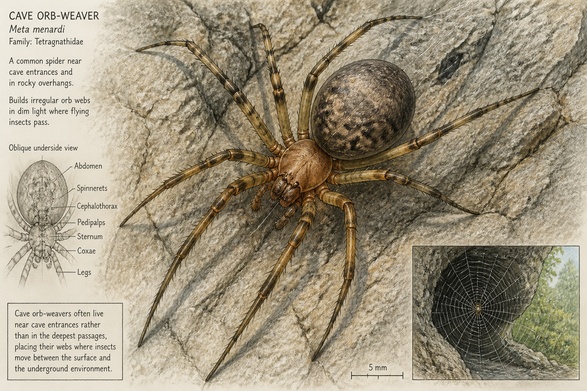
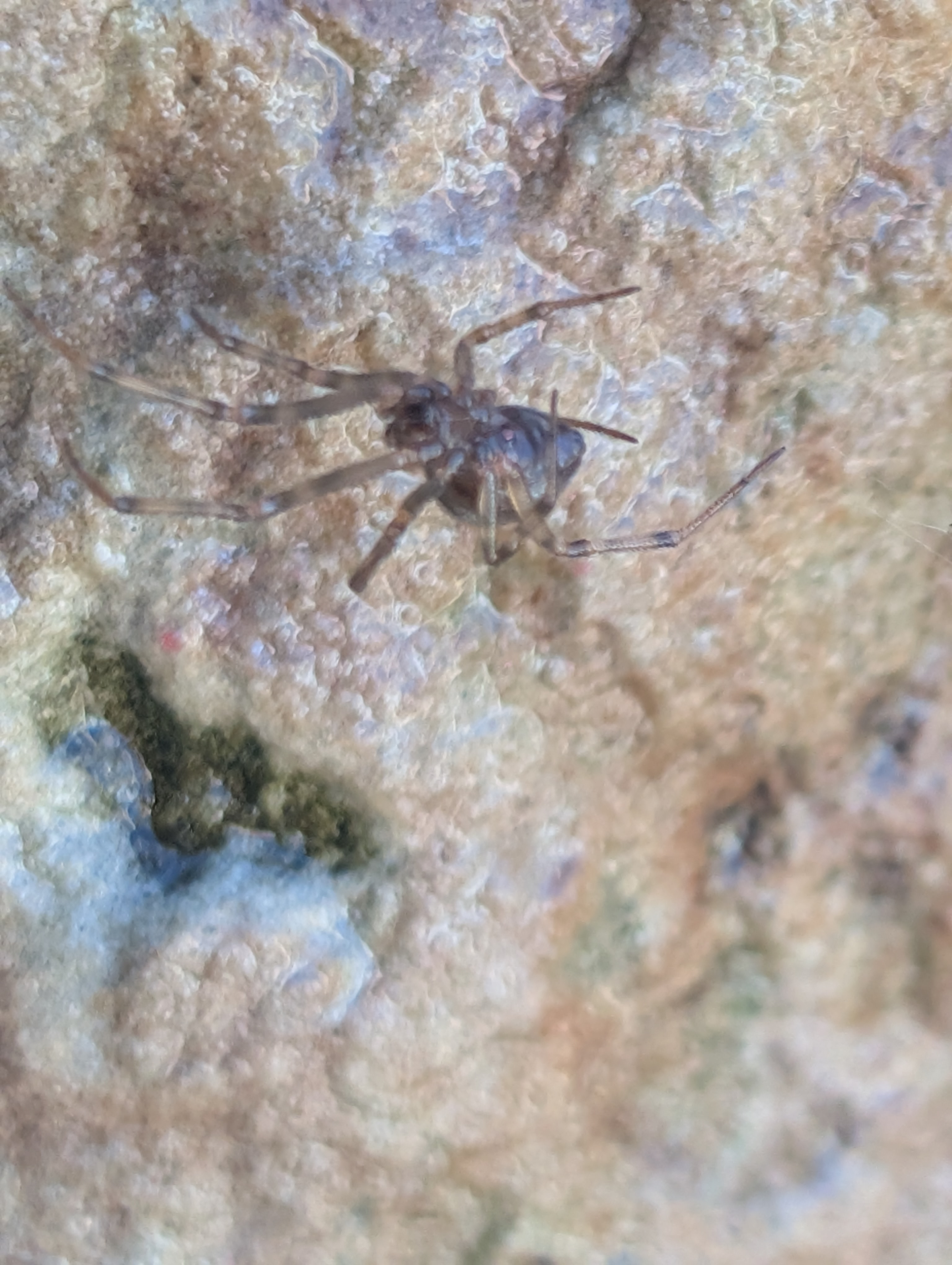
| gen: 2026/09/18:17:19 in 41.5 secname: Cave orb-weaver spider (tentative) |
| type: thingscientific name: Meta sp. (tentative) |
| pts: 0confidence level: 60% |



| gen: 2026/09/16:05:23 in 32.0 sec (old)bias: 1 (Center) |
| type: lolsquality: 76 |
| pts: 0 |

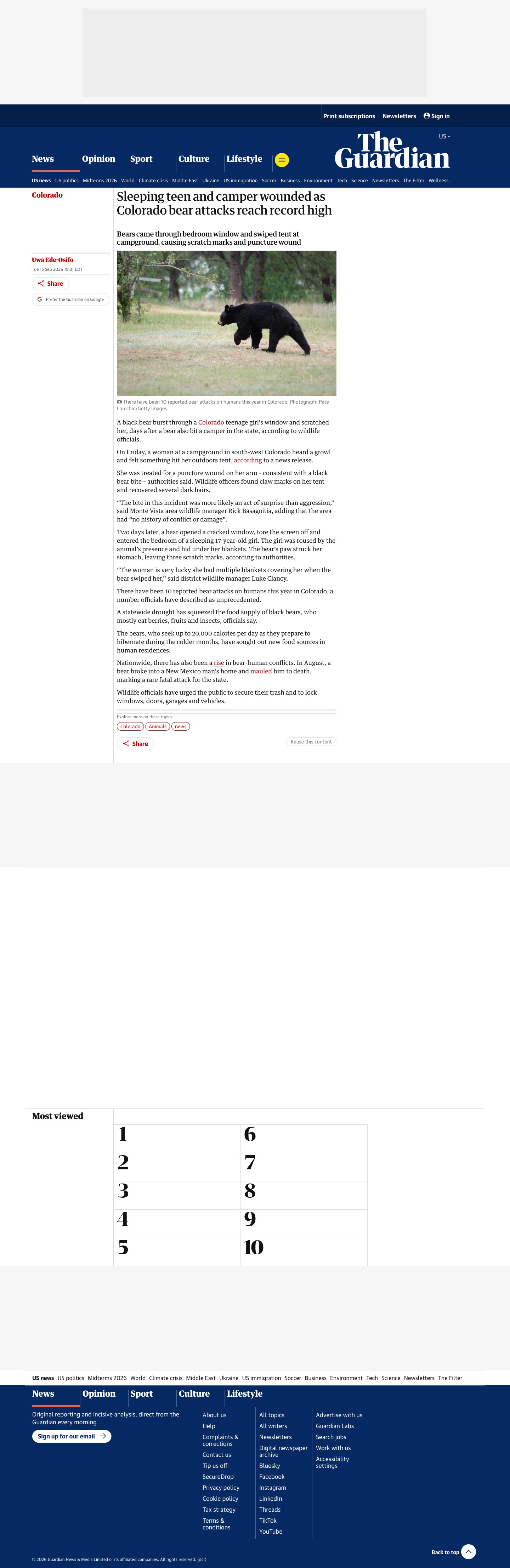 | author: | Uwa Ede-Osifo | institution: | The Guardian | ¿porque no los dos? |
| tl;dr | The article reports two Colorado bear encounters that injured a camper and a sleeping 17-year-old girl. Wildlife officials say the state has recorded 10 bear attacks on humans this year, an unprecedented total. Officials link reduced natural food supplies to statewide drought and suggest the camper’s bite was a startled reaction rather than aggression. The supplied images end before the article’s final discussion is complete. | ||||
| deeper: | The reporting is largely factual, with named wildlife officials, attributed accounts and specific injury details. It shows no clear political agenda. The dramatic headline is tempered by an official’s explanation that one bite likely reflected surprise rather than aggression. Quality is limited by reliance on official sources and the absence of historical attack figures to substantiate the record-high claim. The drought explanation is attributed but not supported with additional data in the visible text. Assessment is limited to the supplied excerpt. | ||||
| gen: 2026/09/16:05:20 in 32.3 sec (old)bias: 4 (Unknown) |
| type: lolsquality: 73 |
| pts: 0 |
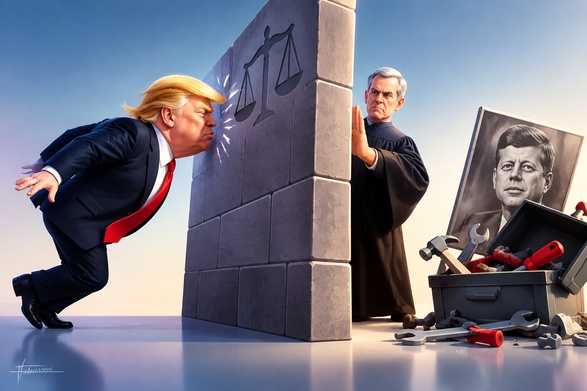
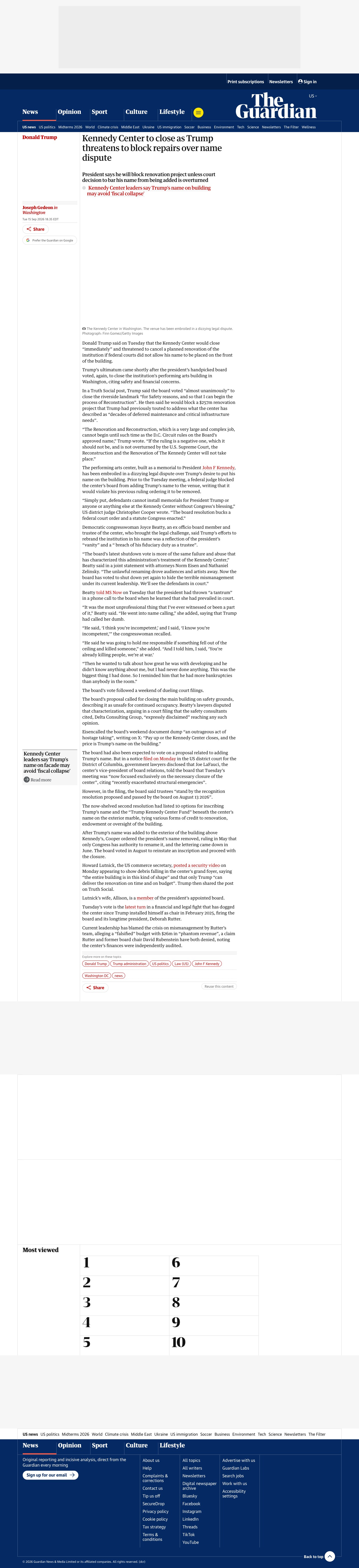 | author: | Joseph Gedeon | institution: | The Guardian | ¿porque no los dos? |
| tl;dr | The article reports that Donald Trump announced the Kennedy Center’s immediate closure and threatened to cancel a $257 million renovation unless courts permit his name on the building. Its board cites safety and financial concerns, while congresswoman Joyce Beatty and her lawyers dispute the safety justification and accuse leadership of mismanagement. The report describes court rulings reserving naming authority to Congress, competing legal filings, and claims of structural deterioration. | ||||
| deeper: | The report provides substantial direct quotations, named sources, legal context, and the board’s safety rationale. However, extended accounts of personal insults and strongly worded criticism give opponents disproportionate space. Phrases such as “dizzying legal dispute” add editorial color. This creates a critical framing without clearly affirming a left- or right-wing agenda. Independent assessment of structural safety and financial conditions is missing. The screenshots alone cannot verify the reported events, and the ending is cut off. | ||||
| gen: 2026/09/16:05:17 in 37.9 sec (old)bias: 3 (Center) |
| type: lolsquality: 68 |
| pts: 0 |
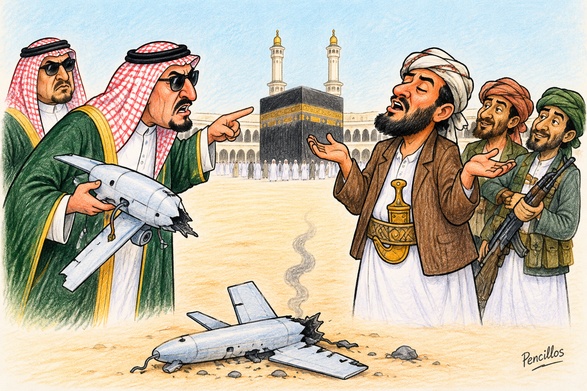
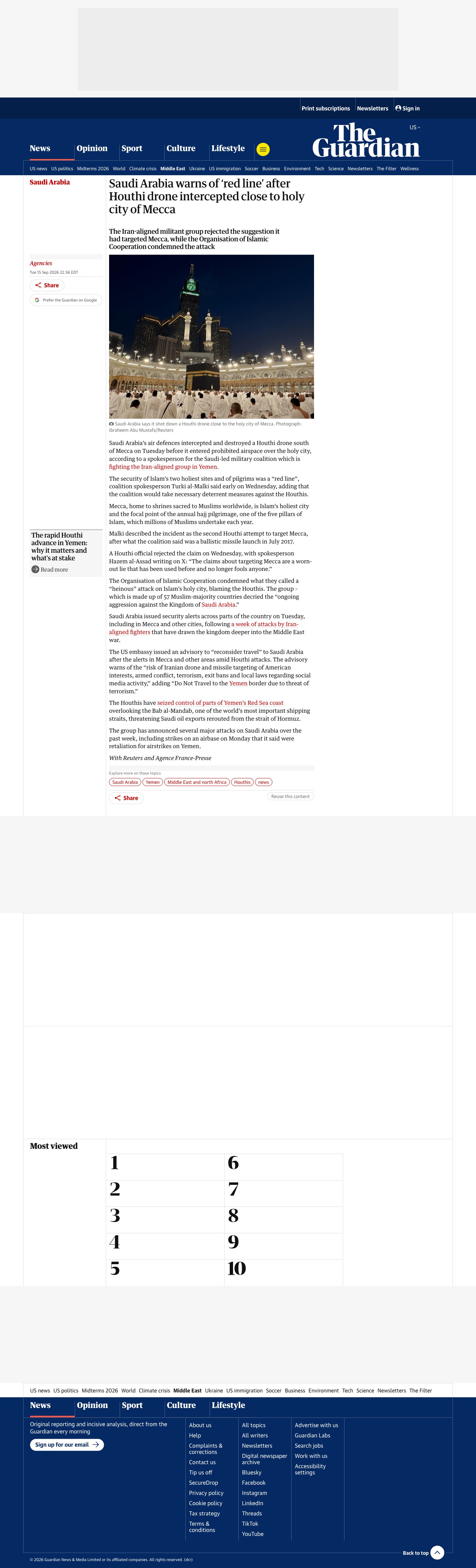 | author: | Agencies | institution: | The Guardian | ¿porque no los dos? |
| tl;dr | Saudi Arabia says it intercepted a Houthi drone south of Mecca and warned that protecting holy sites and pilgrims is a “red line.” The Houthis deny targeting Mecca, while the Organisation of Islamic Cooperation condemned the alleged attack. The article also reports Saudi security alerts, a US travel advisory, and wider regional fighting affecting shipping and oil exports. It provides no independent evidence establishing the drone’s intended target. | ||||
| deeper: | The article attributes claims and prominently includes the Houthi denial, with no clear left-right political agenda. However, the headline and holy-site imagery emphasize the Saudi security narrative, while Saudi and allied statements receive more space. Named sources and regional context are strengths. Independent verification, precise interception details, and evidence of the intended target are missing. Some broader military and shipping claims receive little supporting detail, and the screenshot alone cannot establish authenticity or factual accuracy. | ||||
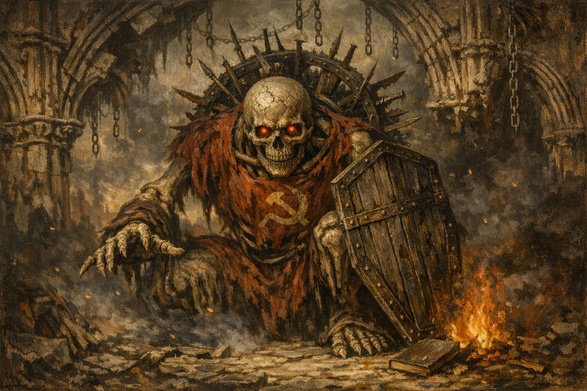

| gen: 2026/09/14:19:37 in 39.8 sec (old)bias: 3 (Center) |
| type: newsquality: 63 |
| pts: 0 |
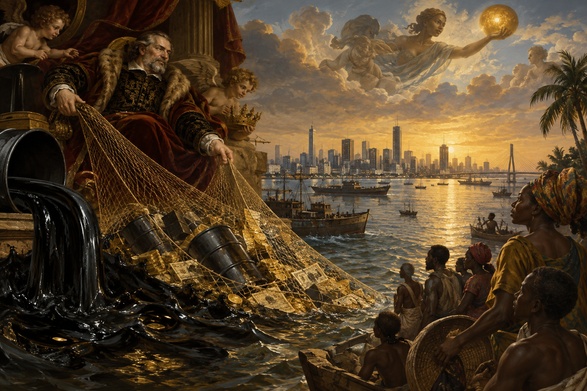
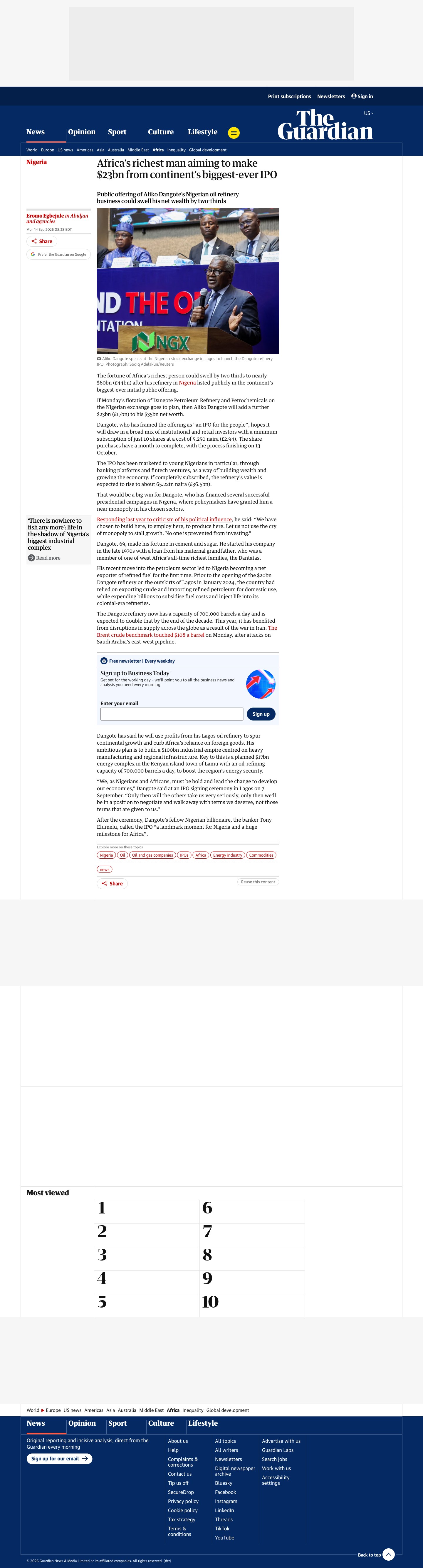 | author: | Eromo Egbejule and agencies | institution: | The Guardian | ¿porque no los dos? |
| tl;dr | The article reports that Aliko Dangote’s Nigerian refinery IPO could increase his estimated wealth by $23bn to nearly $60bn. It describes low minimum share purchases intended to attract ordinary investors and outlines the refinery’s role in African fuel production. It also examines Dangote’s political connections and monopoly concerns, includes his response, and details proposed industrial expansion into Kenya. The projected gains depend on the offering’s success. | ||||
| deeper: | The article balances economic benefits with scrutiny of political influence and includes Dangote’s defense, without a clear partisan position. However, quotations come from Dangote and a supportive billionaire, with no independent financial analysis. The headline’s claim that he could “make $23bn” blurs increased estimated wealth with cash proceeds. Major valuation projections lack a transparent calculation, and claims about political favors receive limited supporting detail. Clear writing and useful context help, but investor risks and the offering’s structure deserve greater scrutiny. | ||||
| gen: 2026/09/14:19:34 in 33.1 sec (old)bias: 3 (Center) |
| type: newsquality: 65 |
| pts: 0 |
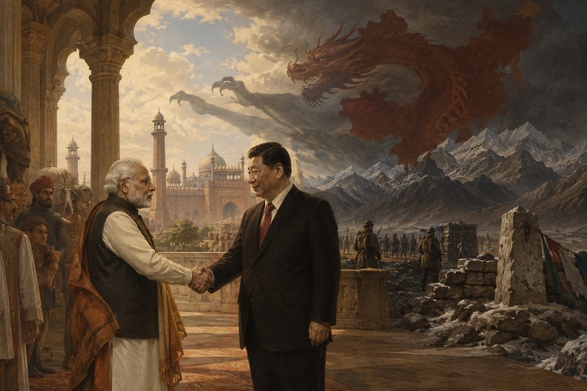
 | author: | Diaa Hadid | institution: | NPR | ¿porque no los dos? |
| tl;dr | The article reports that India hosted a BRICS summit focused on diplomacy amid trade tensions and Middle East conflict. It highlights an Iran–UAE meeting, renewed India–China engagement, and calls for restraint. Analysts suggest U.S. policies are encouraging countries to seek alternatives, while unresolved border disputes limit India–China cooperation. The report concludes that China could increasingly dominate BRICS, despite the group’s limited progress toward goals such as reducing reliance on the U.S. dollar. | ||||
| deeper: | The report includes named experts, historical context, and skepticism about BRICS’ achievements. Its geopolitical outlook does not clearly favor a left- or right-wing agenda. However, repeated emphasis on U.S. disruption and China’s dominance narrows the framing, with little direct response from those governments. Some dramatic interpretations receive limited scrutiny. There are factual imprecisions: South Africa joined later rather than founding the original group, and the established Indian death toll in the 2020 border clash was 20, not more than 20. The screenshot alone cannot authenticate its major event claims. | ||||
media: No Media Preview | |||||
| gen: 2026/09/14:19:31 in 34.6 sec (old)bias: 1 (Center) |
| type: newsquality: 45 |
| pts: 0 |
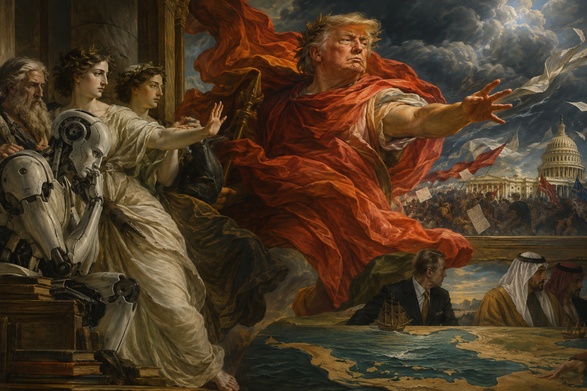
 | author: | A Martínez, Leila Fadel | institution: | NPR | ¿porque no los dos? |
| tl;dr | The visible Morning Edition brief lists three developments: industry leaders calling for slower AI development to address safety, Donald Trump planning to campaign for Republican candidates ahead of the midterms, and Iranian officials reporting a postponed meeting with Gulf states. The page provides only a short overview, without detailed reporting or a transcript. | ||||
| deeper: | The wording is restrained and shows no clear partisan preference. Calls to slow AI development are attributed to industry leaders rather than endorsed, and the political and diplomatic items are presented neutrally. However, the visible text names no industry leaders or Iranian officials and supplies no evidence, explanation, or competing perspectives. It works as a headline roundup, but its brevity limits verification and depth. These scores apply only to the material shown. | ||||
media: No Media Preview | |||||
| gen: 2026/09/13:15:28 in 32.1 sec (old)bias: 1 (Center) |
| type: newsquality: 40 |
| pts: 0 |

 | author: | Unknown | institution: | France 24 | ¿porque no los dos? |
| tl;dr | The visible report says a ferry carrying 243 people sank in rough weather between Java and Borneo, leaving at least one person dead and more than 100 missing. The headline describes it as Indonesia’s second ferry disaster in five days. Only a short introduction is readable; the accompanying video thumbnail is labeled Palawan Province, Philippines, which does not match the reported location. | ||||
| deeper: | The visible wording is straightforward disaster reporting, with no clear political slant or assignment of blame. However, the casualty figures have no visible source, the ferry is not named, and the earlier accident is not explained. The Philippines-labeled thumbnail conflicts with the Indonesian story and could mislead readers. This assessment covers only the visible excerpt, not the unplayed video or hidden article text. | ||||
media: No Media Preview | |||||


owned and operated by: RPN Omnigalactic Insitutution as of: 2026/10/25: 20:33 in 0 ms
Enter Code
Login with Account