| gen: 2026/10/12:02:50 in 22.5 sec (-5d)bias: 4 (Center-Left) |
| type: newsquality: 74 |
| pts: 0 |
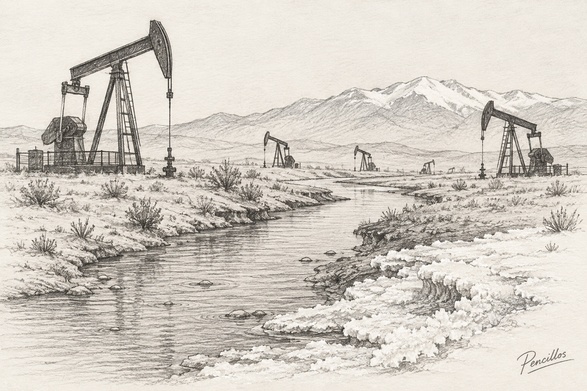
#climate#pollution#rivers#fossil fuels#wildlife#pecos river#new mexico#texas#permian basin#produced water#oil and gas give

| gen: 2026/10/12:02:48 in 23.7 sec (-5d)bias: 3 (Center) |
| type: newsquality: 68 |
| pts: 0 |

 | author: | Luke Harding | institution: | The Guardian | ¿porque no los dos? |
| tl;dr | The article reports that WHO wants more information from Russia about the death of a 28-year-old laboratory worker in Irkutsk amid suspicions of plague. Russian authorities attribute her death to pneumonia of unknown cause and deny an outbreak risk. WHO says incomplete information prevents a full risk assessment and seeks clarification about a possible second illness. The report contrasts official reassurances with reported quarantine and disinfection measures, while including relatives’ objections to the workplace-accident theory. Plague remains unconfirmed. | ||||
| deeper: | The report clearly labels plague as suspected and includes WHO statements, Russian denials, and relatives’ perspectives. Its emphasis on transparency and public health does not establish a partisan position. However, phrases such as “downplay” and “brushed aside,” plus a dramatic closing anecdote, encourage suspicion of Russian officials. Several important claims rely on secondhand reports without independent confirmation. Medical context is thin, and the reference to a “viral disease” is confusing because plague is bacterial. The screenshot alone cannot authenticate the reporting. | ||||
media: | |||||
| gen: 2026/10/12:02:45 in 21.5 sec (-5d)bias: 3 (Center-Left) |
| type: newsquality: 78 |
| pts: 0 |

 | author: | Kat Lay | institution: | The Guardian | ¿porque no los dos? |
| tl;dr | A Lancet commission identifies 17 major threats to human health through 2100, including nuclear conflict, malicious AI use, climate change, malnutrition and declining health aid. Nuclear war and AI-enabled biological weapons pose low-probability extinction risks, while other threats could cost billions of healthy life-years. The commission argues that all identified risks have potential solutions and calls for coordinated prevention, stronger health systems, technological investment and government preparedness. | ||||
| deeper: | The article clearly attributes claims, names experts, explains the health-loss measure and acknowledges that extinction risks are unlikely. However, its alarming headline foregrounds the most extreme outcomes, and all quoted experts represent the commission rather than independent scrutiny. Its favorable emphasis on public investment, international aid and coordinated climate action gives it a mild center-left framing. Numerical projections add substance, but uncertainty ranges, modeling limitations and policy trade-offs receive little attention. | ||||
media: | |||||
| gen: 2026/10/10:22:52 in 23.0 sec (-6d)bias: 2 (Center) |
| type: newsquality: 74 |
| pts: 0 |
 | author: | Marina Dunbar | institution: | The Guardian | ¿porque no los dos? |
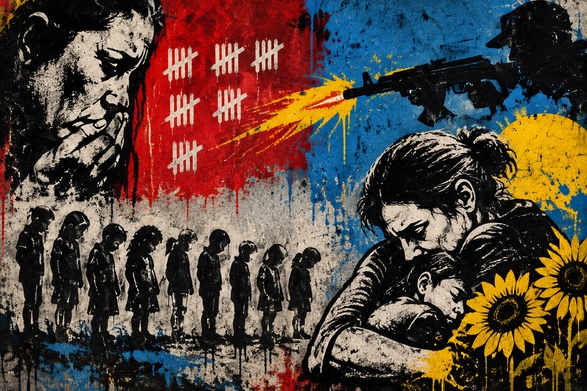
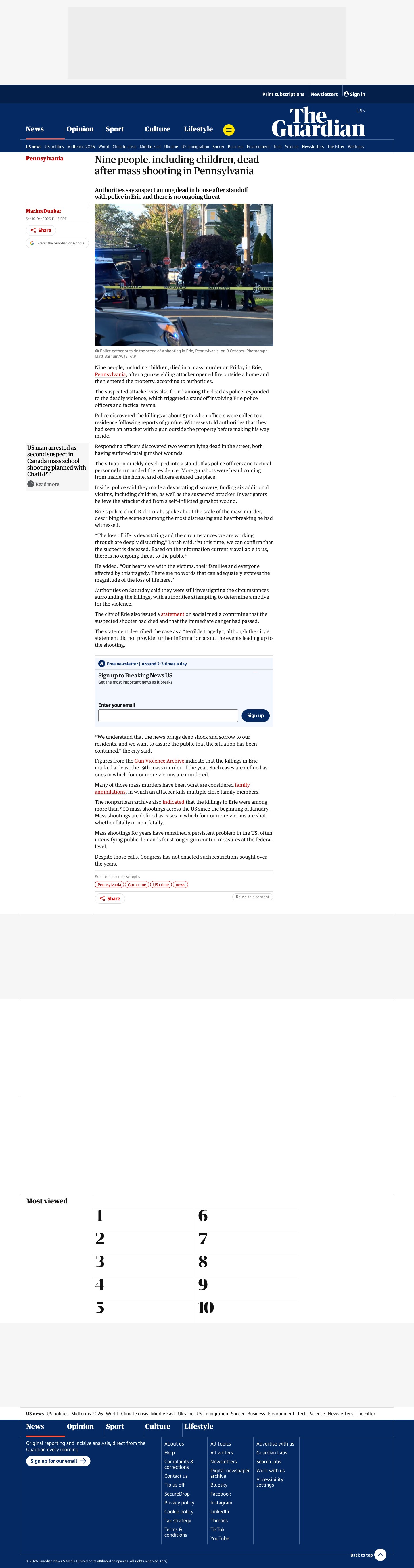
| tl;dr | The article reports nine deaths, including children and the suspected attacker, after a shooting and police standoff in Erie, Pennsylvania. Police found two women dead outside a home and six other victims inside, along with the suspect, who investigators believe died by suicide. Authorities said there was no ongoing public threat and that the motive remained under investigation. The report also cites Gun Violence Archive figures to place the killings in a national context. | ||||
| deeper: | The article mainly attributes claims to police and city officials, acknowledges the unknown motive, and advocates no political position. Emotional wording adds some dramatic emphasis. Named sources, quotations, and linked statistics strengthen the reporting, but independent corroboration is limited. The opening loosely describes all nine deaths as murder, although the reported breakdown includes the suspect’s apparent suicide. National shooting figures lack a definition of mass shooting, and the family-killing context could imply a connection not established here. The screenshots alone cannot verify the claims. | ||||
media: | |||||
| gen: 2026/10/10:22:47 in 30.1 sec (-6d)bias: 4 (Center-Left) |
| type: newsquality: 83 |
| pts: 0 |
#indigenous right#border security#surveillance#sovereignty#tohono o'odham#tribal rights#border wall#dhs#border patrol#surveillance q

| gen: 2026/10/07:16:32 in 25.8 sec (old)bias: 4 (Center-Left) |
| type: newsquality: 72 |
| pts: 0 |

 | author: | Emma Graham-Harrison and Quique Kierszenbaum | institution: | The Guardian | ¿porque no los dos? |
| tl;dr | The article follows October 7 survivors, including former hostages Keith and Aviva Siegel and Nir Oz resident Shlomo Margalit, as they cope with lasting trauma. It explores tensions between rebuilding communities and preserving memorials, alongside demands for an independent investigation into Israel’s security failures. The later sections examine criticism of Netanyahu’s leadership, the war’s Palestinian casualties, and election stakes. It concludes with Margalit’s call for secure coexistence with Palestinians. | ||||
| deeper: | Named interviews, detailed observations and attributed casualty records strengthen the reporting. Its sympathetic treatment of survivors is appropriate, not inherently partisan. The center-left framing emerges through emphasis on coexistence, Palestinian rights and democratic safeguards. However, phrases such as “rightwing vision of perpetual war” introduce editorial judgment, while substantial political accusations lack a government response. Palestinian casualty figures lack clear sourcing in the visible text. The 2026 third-anniversary framing also conflicts with a remaining “two years on” reference, raising an editing or chronology concern. | ||||
media: | |||||
| gen: 2026/10/07:16:31 in 33.5 sec (old)bias: 1 (Center) |
| type: newsquality: 35 |
| pts: 0 |

#politics#military#death penalty#crime#donald trump#fort hood#firing squad#military justice#2009 shooting
 | author: | Rachel Treisman | institution: | NPR | ¿porque no los dos? |
| tl;dr | The displayed page says President Trump approved execution by firing squad for the former Army psychiatrist who killed 13 people at Fort Hood in 2009. Dated October 7, 2026, it contains only a headline and one-sentence news summary, without supporting sources, legal details, or an execution date. The screenshot alone does not establish the claim’s accuracy or the page’s authenticity. | ||||
| deeper: | The wording is straightforward and neither praises nor condemns Trump or capital punishment, providing little evidence of political bias. However, the visible report simply repeats its headline without identifying a source for the approval, explaining military execution rules, or discussing appeals. Its clarity is a strength, but the lack of supporting evidence and context limits its quality. This assessment covers only the displayed text, not any associated broadcast. | ||||
media: | |||||
| gen: 2026/10/07:16:30 in 31.4 sec (old)bias: 3 (Center-Left) |
| type: newsquality: 81 |
| pts: 0 |

#juvenile justice#children#racism#history#remembrance#child burials#reform schools#cheltenham#maryland#georgetown univ
 | author: | Jenny Abamu | institution: | NPR / WAMU | ¿porque no los dos? |
| tl;dr | Georgetown researchers report identifying more than 1,000 children’s graves associated with 40 reform schools and detention facilities across 29 states. The article focuses on over 230 Black boys buried near a former institution in Cheltenham, Maryland, documenting historical abuse and families’ efforts to identify relatives. It describes memorials, restitution initiatives and a Maryland commission investigating the burials, while connecting this history to changes in laws governing prosecution of children as adults. | ||||
| deeper: | The article favors restorative justice and juvenile justice reform through its source selection and sympathetic family narratives, giving it a mild center-left tilt. Historical abuse is supported by attributed research and a government report, rather than merely asserted. Interviews, site observations and explicit acknowledgment of unidentified remains strengthen the reporting. However, the nationwide count’s methodology and causes of death receive little explanation. The headline also omits the historical timeframe, and the connection to present-day prosecution policy is presented mainly through a reform advocate. | ||||
media: | |||||
| gen: 2026/10/06:04:06 in 20.9 sec (old)bias: 2 (Center) |
| type: newsquality: 76 |
| pts: 0 |

 | author: | The Associated Press | institution: | NPR | ¿porque no los dos? |
| tl;dr | The article reports that the FBI arrested Wanying Zhang at Los Angeles International Airport for allegedly acting as an unregistered Chinese agent. Authorities accuse her of monitoring Taiwanese President Lai Ching-te’s relatives in the United States and sending photographs, videos, and license plate information to Chinese officials. Taiwan condemned the alleged surveillance as transnational repression. No defense response was available, and China’s embassy did not immediately comment. The article also outlines tensions over Taiwan’s status and Lai’s defense spending plans. | ||||
| deeper: | The report generally distinguishes accusations from established facts and attributes inflammatory language to officials rather than adopting it. U.S. and Taiwanese government accounts dominate, but it notes efforts to obtain Chinese comment and the absence of an identifiable defense lawyer. This creates a limited official-source slant without a clear left–right agenda. Useful context and specific allegations strengthen the reporting; the lack of court-document detail or independent corroboration limits it. The unusual title “Assistant U.S. State Attorney” also warrants verification. | ||||
media: | |||||
| gen: 2026/10/06:04:05 in 25.2 sec (old)bias: 3 (Center) |
| type: newsquality: 85 |
| pts: 0 |

| gen: 2026/09/30:20:56 in 27.3 sec (old)bias: 3 (Center-Left) |
| type: newsquality: 78 |
| pts: 0 |

#nuclear energy#data centers#public lands#utah#environment#valar atomics#project beehive#nuclear power#utahுட
 | author: | Geoff Brumfiel | institution: | NPR | ¿porque no los dos? |
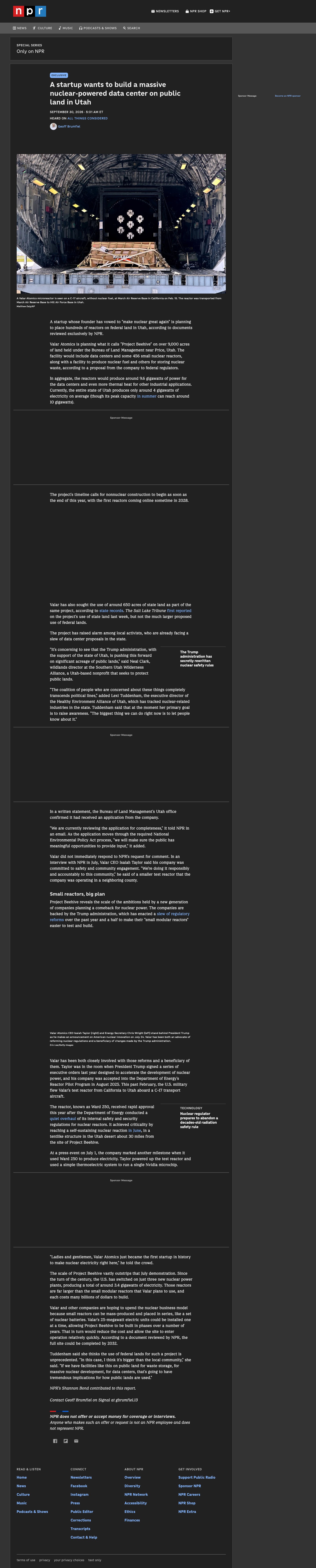
| tl;dr | Valar Atomics proposes building Project Beehive near Price, Utah, with 456 small nuclear reactors powering data centers on more than 9,000 acres of federal land. The article reports a planned 9.6-gigawatt output, initial reactor operations in 2028 and possible completion by 2032. Environmental advocates raise public-land and oversight concerns. Federal officials confirm an application is under review and promise public input. The report also describes the company's technological milestones, ties to regulatory reforms and arguments for building reactors in phases. | ||||
| deeper: | The article mildly favors public-land conservation and regulatory oversight, giving environmental advocates prominent space and opening with a politically charged founder quote. It nevertheless includes federal officials' responses, earlier company assurances and potential benefits of modular reactors. Documents, named sources and numerical context strengthen the reporting. Limitations include little independent technical or financial assessment and an unexplained difference between 456 25-megawatt units and the stated 9.6-gigawatt output. The supplied text ends mid-quotation, so this assessment covers only the visible material. | ||||
media: | |||||
| gen: 2026/09/30:20:54 in 26.6 sec (old)bias: 2 (Center) |
| type: newsquality: 80 |
| pts: 0 |

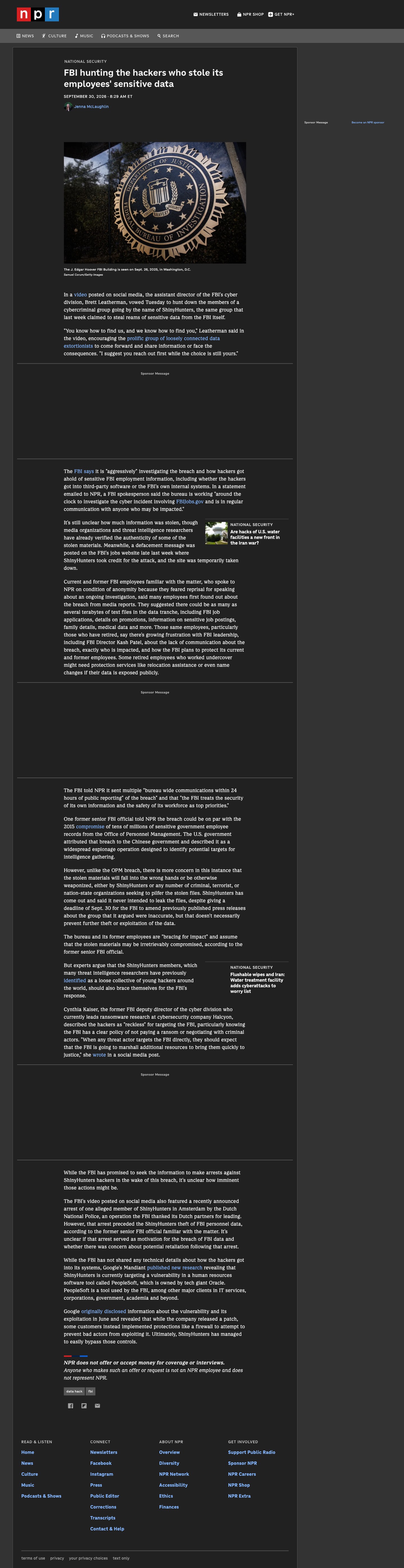 | author: | Jenna McLaughlin | institution: | NPR | ¿porque no los dos? |
| tl;dr | The article reports that the FBI is investigating ShinyHunters over stolen sensitive personnel data. Current and former employees describe concerns about inadequate communication and potential exposure of medical, family, and undercover-work information; the FBI says it promptly notified staff. The breach’s scale and entry point remain unclear. The article discusses possible links to vulnerabilities in Oracle’s PeopleSoft software, while distinguishing an earlier Dutch arrest from the current investigation. | ||||
| deeper: | The reporting shows no clear partisan agenda. It balances employee criticism with FBI responses, explains why sources remain anonymous, and distinguishes confirmed information from uncertainties. Links, named expertise, and historical context strengthen the account. However, dramatic language and speculative worst-case consequences heighten alarm. Several important claims depend on unnamed sources, and the PeopleSoft discussion establishes a possibility rather than the actual breach mechanism. The headline is more definitive about responsibility than the opening attribution to the hackers’ claims. | ||||
media: No Media Preview | |||||
| gen: 2026/09/30:20:51 in 27.1 sec (old)bias: 3 (Center) |
| type: newsquality: 77 |
| pts: 0 |
 | author: | Jane Arraf | institution: | NPR | ¿porque no los dos? |
| tl;dr | The article reports that U.S. forces have fully withdrawn from Iraq, with coalition headquarters moving to Jordan. Iraqi leaders celebrate sovereignty, while Kurdish leaders fear increased vulnerability to Iran-backed attacks. Iraq still faces ISIS sleeper cells, militia disarmament challenges and reliance on U.S. intelligence. The article also examines Iranian influence, Turkish military bases and the invasion’s human costs, ending with accounts of reconstruction and reconciliation. The reported withdrawal and accompanying official statements are not independently verified here. | ||||
| deeper: | The article emphasizes the invasion’s destructive legacy, but also credits U.S. contributions against ISIS and explains Kurdish dependence on American protection. Its competing Iraqi, U.S. and militia perspectives do not establish a clear partisan alignment. Named sources, historical context and detailed security coverage strengthen it. Weaknesses include heavy reliance on official statements, no directly quoted Kurdish leader, and sweeping claims about younger Iraqis. The civilian death figure needs a clearer timeframe and distinction between deaths during the occupation and subsequent violence. Screenshot links and contemporary claims cannot be authenticated here. | ||||
media: No Media Preview | |||||
| gen: 2026/09/28:05:22 in 25.0 sec (old)bias: 3 (Center) |
| type: newsquality: 66 |
| pts: 0 |
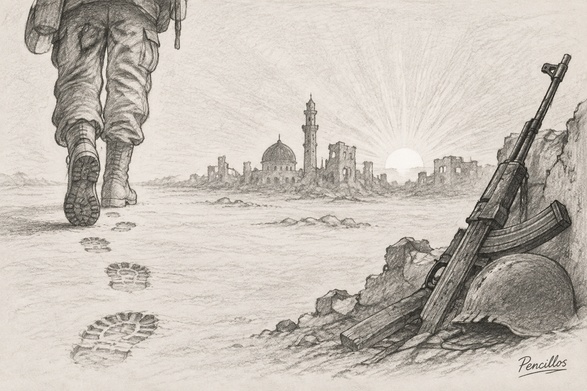
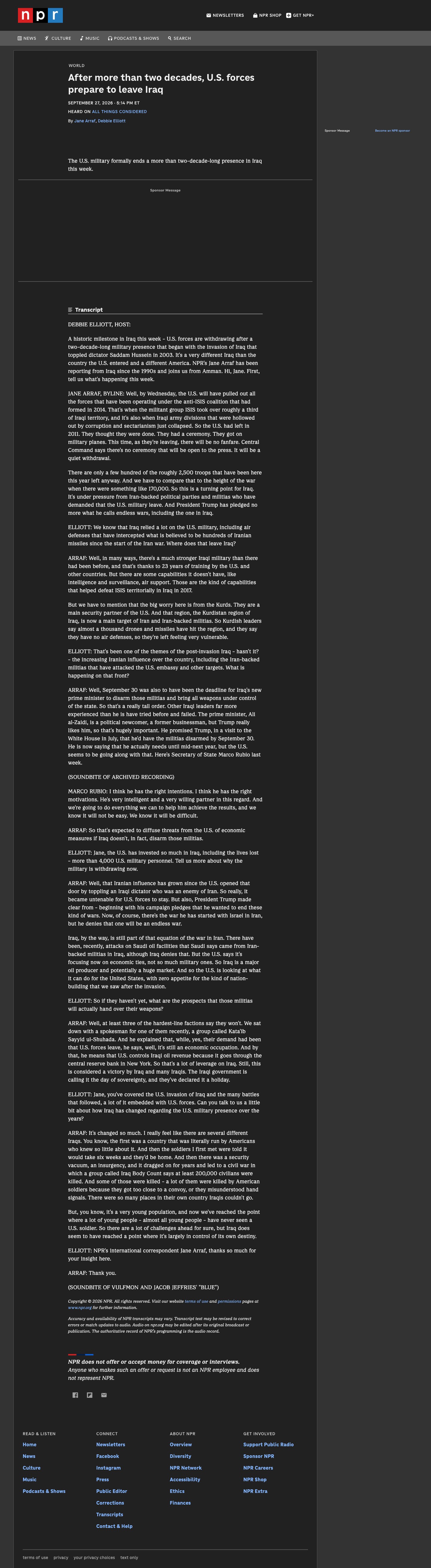 | author: | Jane Arraf, Debbie Elliott | institution: | NPR | ¿porque no los dos? |
| tl;dr | The article reports that U.S. coalition forces are preparing to leave Iraq, presenting the withdrawal as a sovereignty milestone with significant security risks. It highlights Iraqi military capability gaps, Kurdish vulnerability, Iranian influence, and militias resisting disarmament. It also describes a U.S. shift toward economic relations and reviews the invasion’s civilian toll. Although the introduction suggests an uninterrupted military presence since 2003, the transcript acknowledges the 2011 withdrawal and 2014 return. | ||||
| deeper: | The report includes U.S., Kurdish, Iraqi government, and militia perspectives without a clear partisan prescription. Its emphasis on sovereignty and civilian harm is balanced by recognition of U.S. security contributions. Some sweeping judgments—Americans knowing little about Iraq and Iraq controlling its destiny—lack supporting detail. The introduction misleadingly implies continuous deployment. Iraq Body Count’s cumulative civilian deaths are also loosely presented as a civil-war total. Named sources and historical context help, but major contemporary claims cannot be independently verified from these screenshots. | ||||
media: No Media Preview | |||||
| gen: 2026/09/28:05:19 in 24.2 sec (old)bias: 3 (Center) |
| type: newsquality: 82 |
| pts: 0 |

| gen: 2026/09/28:05:17 in 26.6 sec (old)bias: 3 (Center) |
| type: newsquality: 82 |
| pts: 0 |
 | author: | Scilla Alecci | institution: | International Consortium of Investigative Journalists (ICIJ) | ¿porque no los dos? |
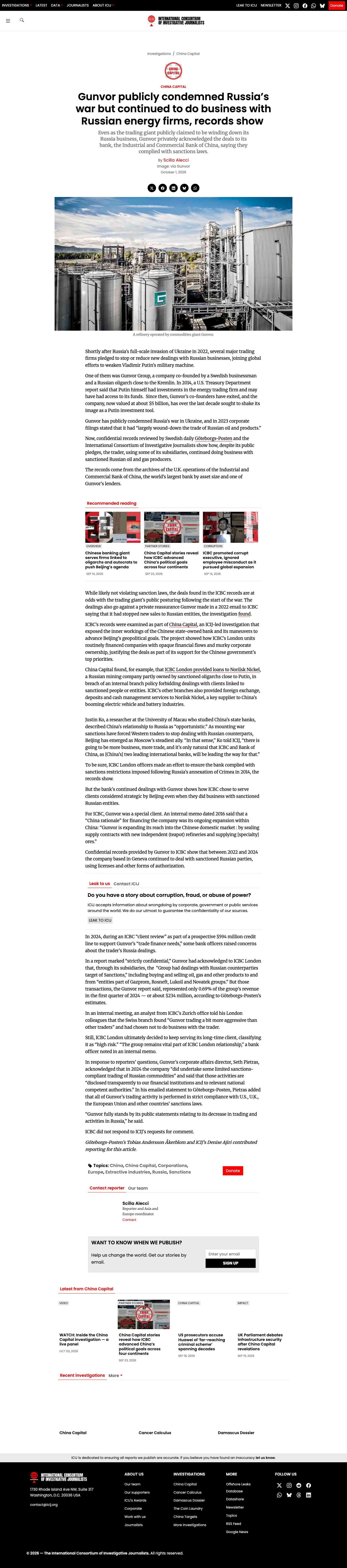
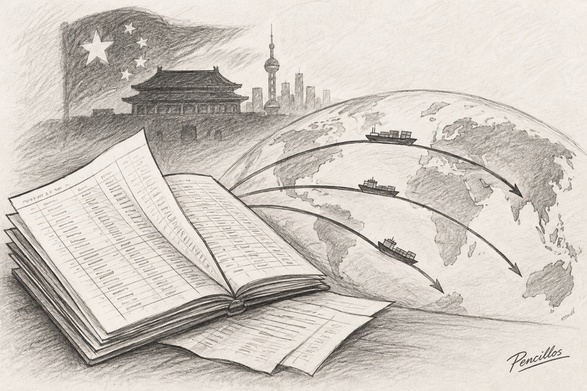
| tl;dr | The article summarizes an ICIJ investigation alleging that ICBC used international lending to advance China’s political and strategic interests, sometimes overriding financial risks and compliance concerns. Drawing on 4.8 million confidential records and partner reporting, it describes deals involving infrastructure, natural resources, technology and military-linked companies across four continents. It also examines relationships involving businesses connected to sanctioned Belarusian interests. ICBC did not respond to requests for comment; Zoomlion said it complies with applicable laws. | ||||
| deeper: | Specific document quotations, financial figures, named sources and links to partner reporting give the article substantial evidentiary support. It acknowledges an unknown loan outcome, includes Zoomlion’s response and notes unanswered requests for comment. However, phrases such as “notoriously secretive” and the consistently geopolitical framing sometimes blur commercial strategy with political intent. Alternative explanations receive limited attention. Its emphasis on transparency and regulatory accountability does not establish a clear left-right agenda. This is a well-supported investigative roundup, although the underlying records cannot be independently checked from these screenshots. | ||||
| gen: 2026/09/27:03:07 in 23.6 sec (old)bias: 4 (Center) |
| type: newsquality: 72 |
| pts: 0 |


| gen: 2026/09/27:03:04 in 24.8 sec (old)bias: 4 (Center) |
| type: newsquality: 48 |
| pts: 0 |
| gen: 2026/09/27:03:01 in 28.5 sec (old)bias: 4 (Center) |
| type: newsquality: 56 |
| pts: 0 |
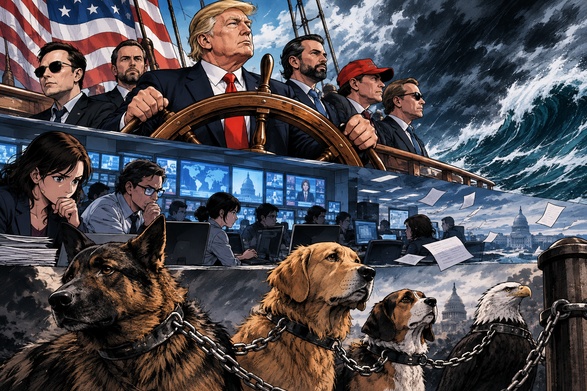
#media#politics#journalism#ownership#cnn#cbs news#paramount#warner bros#donald trump#david ellison no
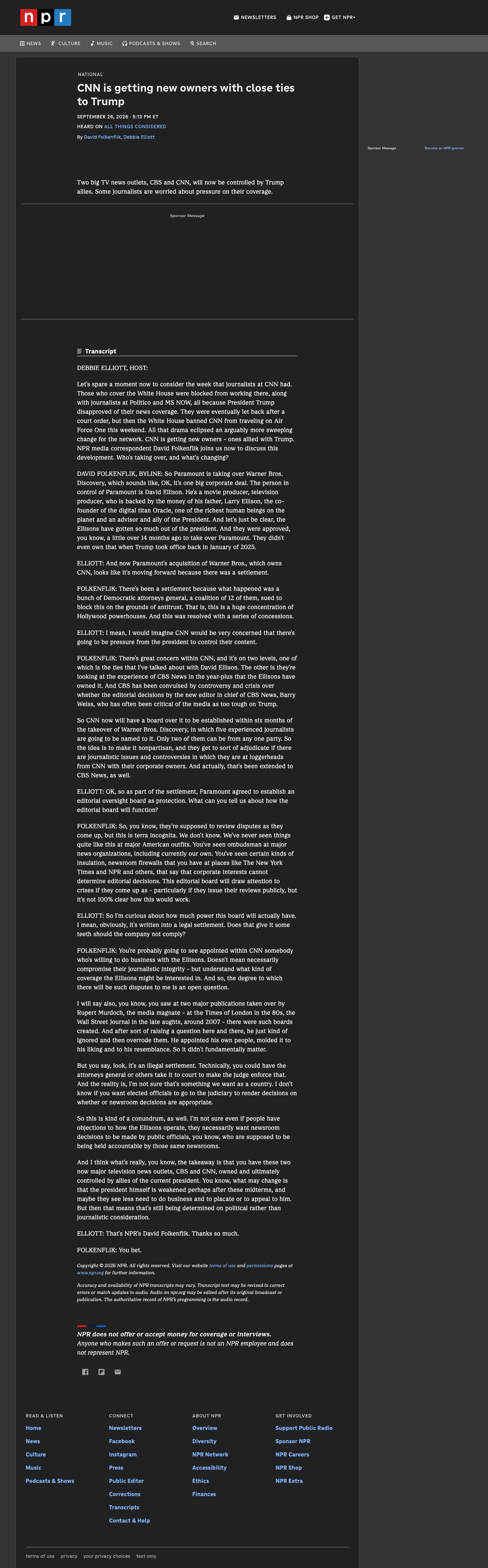 | author: | David Folkenflik, Debbie Elliott | institution: | NPR | ¿porque no los dos? |
| tl;dr | The document says Paramount’s acquisition of Warner Bros. Discovery would put CNN and CBS under owners tied to President Trump. It describes a settlement requiring editorial oversight boards and questions whether those boards could protect newsroom independence. The discussion highlights potential owner influence while also warning that court enforcement could give government officials inappropriate influence over journalism. The acquisition, settlement, and access restrictions described are claims in the supplied screenshots, not independently verified facts. | ||||
| deeper: | The article favors independent journalism and accountability rather than an explicit partisan platform. However, leading questions, dramatic wording, and speculation about owners’ motives create a skeptical, one-sided frame. No responses from Paramount, the Ellisons, or the White House appear. Useful explanations of oversight and government-interference risks add nuance, but major legal claims lack identifiable supporting documents. Apparent transcription errors—including “Barry Weiss” and “illegal settlement”—reduce precision. The screenshots alone cannot establish authenticity or verify the reported events. | ||||
media: No Media Preview | |||||


owned and operated by: RPN Omnigalactic Insitutution as of: 2026/10/16: 13:28 in 0 ms
Enter Code
Login with Account