| gen: 2026/10/07:04:39 in 1 min 12.6 sec (-5d)bias: 2 (Unknown) |
| type: eli5quality: 76 |
| pts: 0 |

 | author: | Unknown | institution: | OpenAI | ¿porque no los dos? |
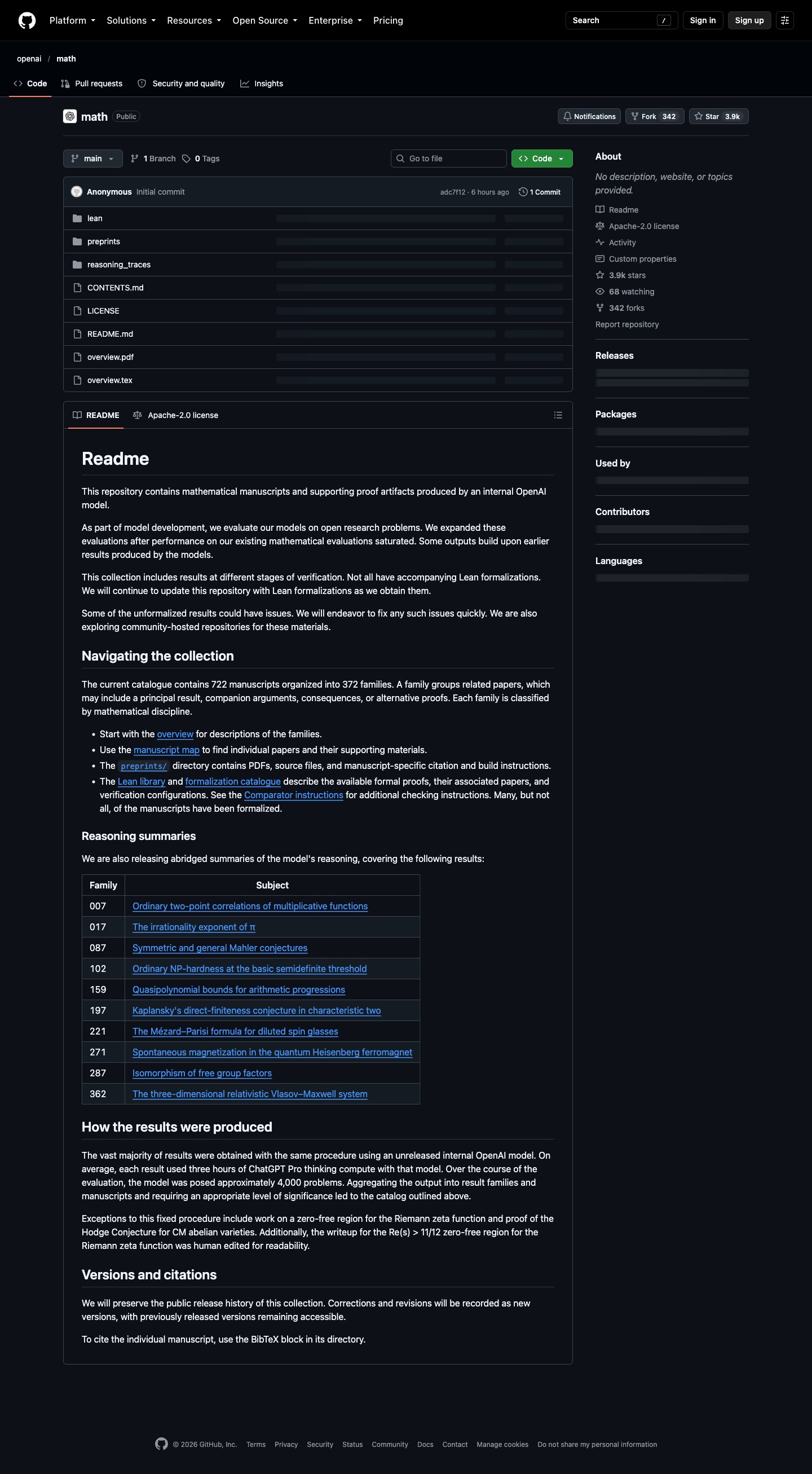
| tl;dr | The repository README describes 722 mathematical manuscripts in 372 related families produced by an unreleased OpenAI model evaluated on approximately 4,000 problems. It links to papers, supporting materials, Lean formal proofs, and selected reasoning summaries. The document acknowledges differing verification levels and possible errors in unformalized results. It outlines the production process, notes exceptions and limited human editing, and promises to preserve corrections and earlier versions. The screenshots alone do not establish the mathematical claims’ correctness or novelty. | ||||
| deeper: | This is technical repository documentation, not independent reporting. Its language is mostly restrained, with explicit warnings about potential errors and incomplete verification. Links to proof materials, production details, and version histories support transparency. However, the visible text does not provide independent assessments, precise verification totals, or clear criteria for selecting significant results. Highlighting selected outputs offers an incomplete picture of overall performance. No political position is evident; the score evaluates the documentation, not the underlying mathematics. | ||||
media: | |||||
| gen: 2026/09/25:15:32 in 1 min 4.8 secbias: 4 (Center-Left) |
| type: eli5quality: 72 |
| pts: 0 |
#energy#pollution#climate#health#government#georgia power#epa#coal plants#carbon capture#climate change#natural gas
 | author: | Emily Jones | institution: | Grist | ¿porque no los dos? |
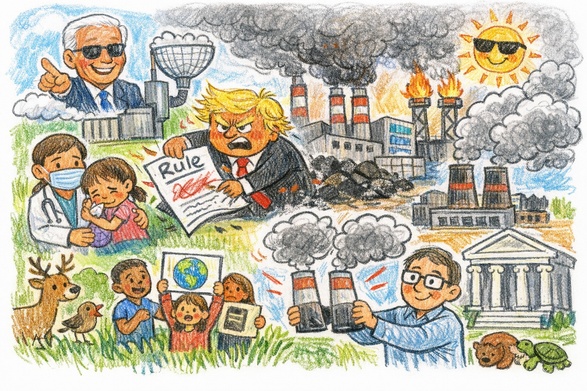
| tl;dr | The article examines how the proposed repeal of Biden-era power-plant emissions rules could affect Georgia Power’s coal retirements and expanding gas generation. Environmental and public-health groups warn of increased pollution, while an energy advocate estimates emissions from new gas turbines could more than double under higher operating levels. Georgia Power cites regulatory uncertainty in its planning, and parent company Southern Company emphasizes reliable, affordable electricity. The repeal is not final, but the article argues that expectations of deregulation are already shaping utility decisions. | ||||
| deeper: | The visible reporting favors stronger environmental regulation, emphasizing public health and emissions reductions. Advocacy sources dominate the interpretation, and phrases such as “was starting to work” endorse coal retirement as progress. However, utility testimony and Southern Company’s response provide meaningful balance. Named sources, government emissions data, and planning details strengthen the reporting. Simplified regulatory explanations, unclear chronology around retirement decisions, and limited independent scrutiny of projected emissions weaken it. Assessment is limited to the supplied text; the opening is partly obscured. | ||||
media: | |||||
| gen: 2026/09/25:15:29 in 1 min 9.0 secbias: 5 (Center-Left) |
| type: eli5quality: 81 |
| pts: 0 |
#environment#health#history#military#community#guam#yigo#leevin camacho#dieldrin#water pollution#us military news
 | author: | Anita Hofschneider | institution: | Grist, in partnership with The Intercept | ¿porque no los dos? |
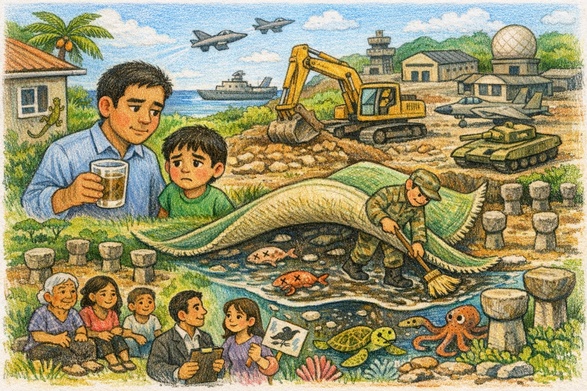
| tl;dr | The article follows Guam lawyer Leevin Camacho’s efforts to address contaminated drinking water and protect communities affected by U.S. military expansion. It connects pollution, land loss, habitat damage, housing costs, and threats to Indigenous cultural sites across Guam, Yap, and Palau. Residents and activists seek accountability and greater control over development. Military officials defend environmental compliance and missile-defense investments, while Guam’s governor emphasizes economic and security benefits. The source of Yigo’s dieldrin contamination remains under investigation; military responsibility is suspected, not established. | ||||
| deeper: | The article favors environmental justice, Indigenous rights, and community self-determination, supporting a center-left reading. Its sympathetic portrait of Camacho and phrases such as “Those injustices” sometimes adopt advocates’ judgments. Nevertheless, it includes substantial military responses, economic benefits, security concerns, and uncertainty about pollution sources. Named interviews, linked documents, historical context, and original photography strengthen the reporting. Missing contamination measurements and independent health expertise limit its treatment of risk; some broad climate and strategic claims need stronger support. Scores assess the supplied text, not independent verification of its links. | ||||
media: | |||||
| gen: 2026/09/25:15:26 in 1 min 5.0 secbias: 3 (Center-Left) |
| type: eli5quality: 76 |
| pts: 0 |
#climate change#oceans#islands#cooperation#sea level rise#united nations#island states#statehood#maritime borders
 | author: | Jake Bittle | institution: | Grist | ¿porque no los dos? |
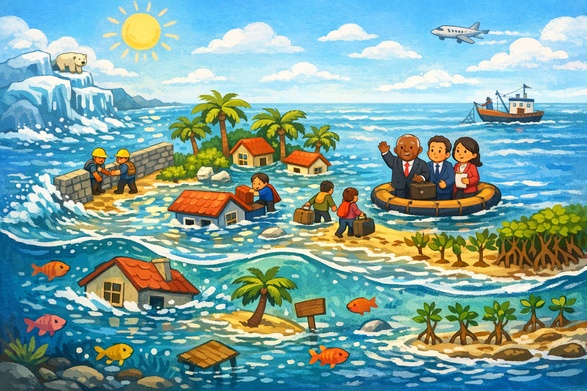
| tl;dr | The article reports that the UN General Assembly unanimously approved a declaration supporting continued statehood and maritime boundaries for countries threatened by sea level rise. Island leaders welcome the agreement as protection for sovereignty and ocean resources. It also calls for greater access to climate adaptation funding, although it provides no new money itself. The United States did not block the declaration; a legal adviser suggests preserving maritime rights serves wealthy countries’ interests too. | ||||
| deeper: | The visible article favors international cooperation and expanded climate assistance, calling the declaration a “rare win.” Its sources largely represent island governments or their advisers. Interviews, document quotations, links, funding context, and an unanswered request for State Department comment strengthen the reporting. It acknowledges that the declaration adds no funding. However, it does not clearly distinguish political commitments from enforceable legal protections, and sweeping descriptions of maritime control and future inundation need qualification. The opening is partly obscured, limiting assessment. | ||||
media: | |||||
| gen: 2026/09/09:16:05 in 1 min 16.6 secbias: 8 (Center-Left) |
| type: eli5quality: 62 |
| pts: 0 |

#voting#government#democracy#trump#2026midterms#vote-by-mail#usps#doj#dhsvoterdata#marc elias#fascism

| gen: 2026/09/03:17:21 in 1 min 21.7 secbias: 6 (Center) |
| type: eli5quality: 78 |
| pts: 0 |


| gen: 2026/08/30:14:37 in 1 min 4.5 secbias: 6 (Center) |
| type: eli5quality: 55 |
| pts: 0 |

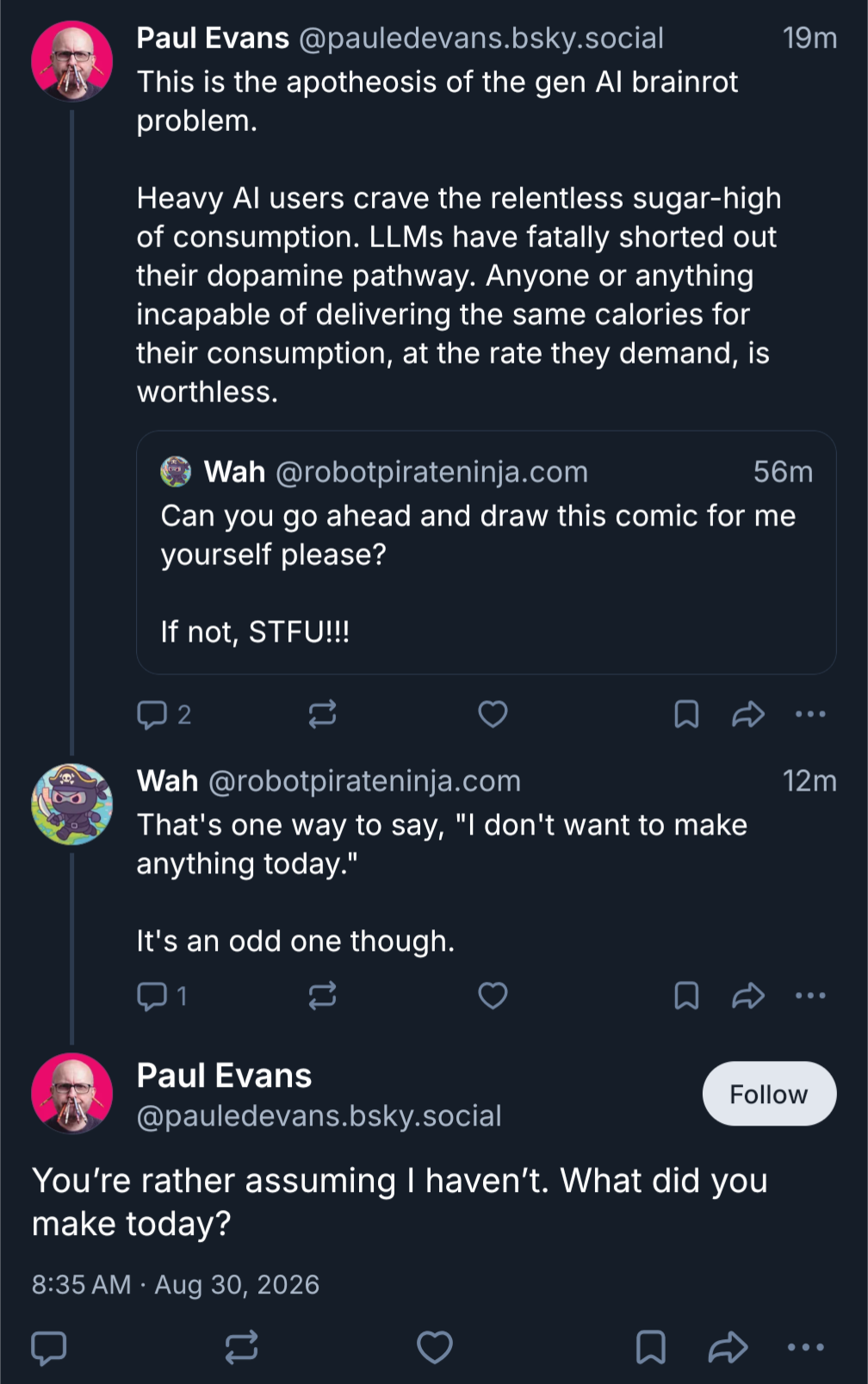 | author: | Paul Evans | institution: | Bluesky | ¿porque no los dos? |
| tl;dr | A Bluesky thread shows Paul Evans criticizing “gen AI brainrot,” arguing heavy AI users are addicted to fast, high-volume content and devalue anything that can’t match that pace. He quotes another user demanding, “draw this comic… If not, STFU!!!” The exchange continues with the second user mocking refusal as laziness, and Evans replying that they’re assuming he hasn’t made anything and asking what they made today. Overall, it’s a polemical critique of AI-driven consumption habits, illustrated via a hostile entitlement example. | ||||
| deeper: | The post uses strongly loaded, contemptuous framing (“brainrot,” “dopamine pathway,” “worthless”) and generalizes about “heavy AI users,” which increases bias and reduces precision. It offers no data or sourcing for psychological claims, relying on metaphor and a single anecdotal quote to imply a broader pattern. Still, it clearly presents an argument, provides an illustrative example, and directly addresses the entitlement dynamic in creator–consumer interactions, giving it moderate clarity but limited evidentiary strength. | ||||
media: No Media Preview | |||||
| gen: 2026/08/27:06:16 in 59.4 secbias: 3 (Center) |
| type: eli5quality: 78 |
| pts: 0 |
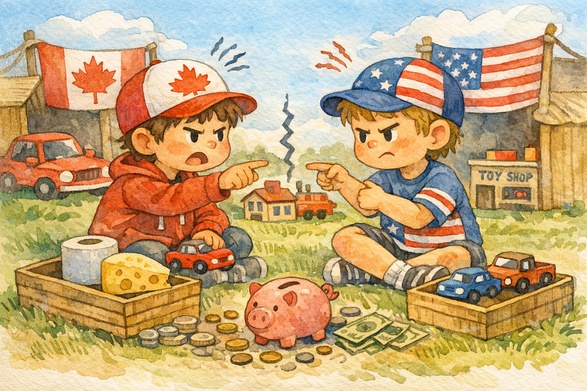
 | author: | Stephan Bisaha, Michel Martin | institution: | NPR (WHYY) | ¿porque no los dos? |
| tl;dr | The piece reports that Canada will impose tariffs on nearly $20 billion of U.S. goods in response to new U.S. tariffs, framing the situation as an escalating trade conflict harming businesses on both sides. It lists targeted products (steel, aluminum, dairy, toilet paper, agricultural equipment, American motorcycles, protein powders) and notes uncertainty for importers. It also references recent Supreme Court scrutiny of some Trump-era tariffs and suggests Canada’s measures could face legal challenges, while emphasizing the broader economic and political standoff. | ||||
| deeper: | The reporting is largely fact-forward and includes concrete figures and examples of affected goods, plus a straightforward discussion of legal and business impacts. Some framing and phrasing (“strikes back,” “trade war,” “random collection,” and characterizing political strategy) adds mild narrative color and can steer perception, but it’s not heavy-handed. Quality is solid for a news transcript: clear sourcing (named hosts/reporter), specific details, and relevant context; it would be stronger with more direct attribution links/data and perspectives from Canadian/U.S. officials and affected industries. | ||||
media: | |||||
| gen: 2026/08/27:06:13 in 56.8 secbias: 3 (Center-Left) |
| type: eli5quality: 78 |
| pts: 0 |
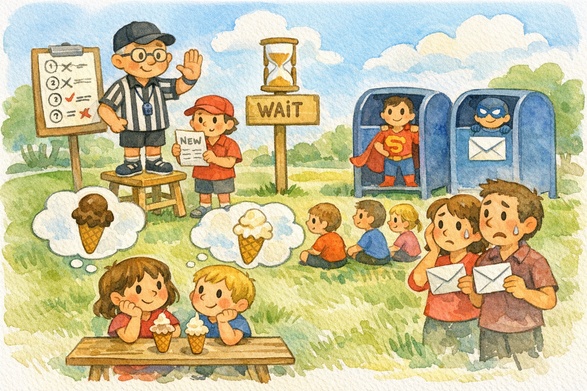
 | author: | Hansi Lo Wang | institution: | NPR | ¿porque no los dos? |
| tl;dr | The piece reports that a federal judge in Boston lifted a nationwide block that had prevented the U.S. Postal Service from implementing parts of President Trump’s executive order affecting mail-in voting. It explains the procedural posture (Supreme Court guidance and earlier rulings), what USPS can now do (including treating some out-of-state absentee ballots as “political mail”), and the ongoing legal challenges arguing the order exceeds presidential authority and USPS’s role. The story stresses uncertainty about real-world election impacts. | ||||
| deeper: | The reporting is largely straight-news: it cites the judge’s action, Supreme Court procedural context, and describes what USPS may do next. It also includes criticism of the order (e.g., studies on non-citizen voting) without equally detailing the administration’s supporting evidence, which nudges the framing slightly toward skepticism of the policy. Quality is solid: clear timeline, legal/process details, and attribution; it would be stronger with more direct quotes from rulings and fuller representation of the administration’s legal rationale. | ||||
media: | |||||
| gen: 2026/08/27:06:10 in 1 min 0.3 secbias: 3 (Center) |
| type: eli5quality: 78 |
| pts: 0 |

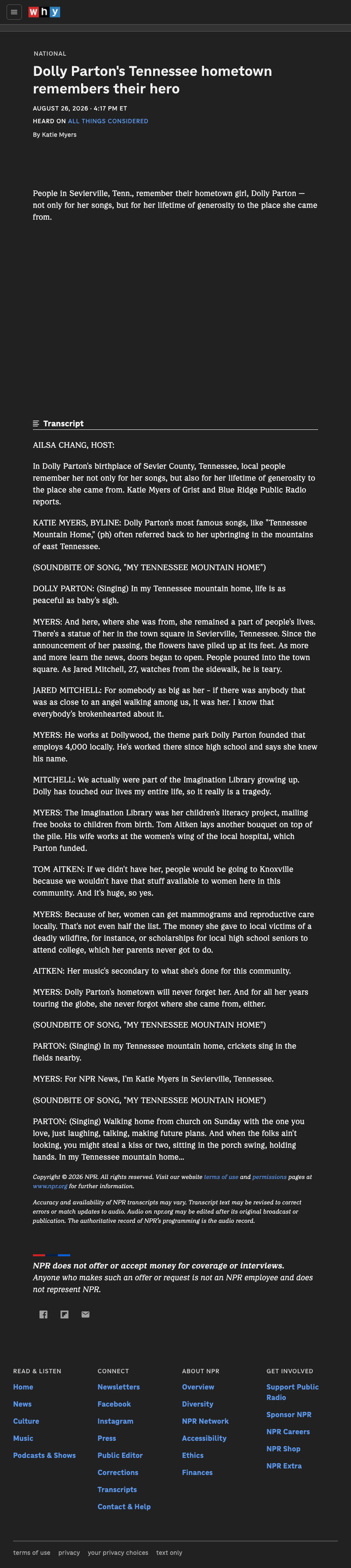
| gen: 2026/08/23:01:30 in 55.2 secbias: 8 (Center-Left) |
| type: eli5quality: 32 |
| pts: 0 |
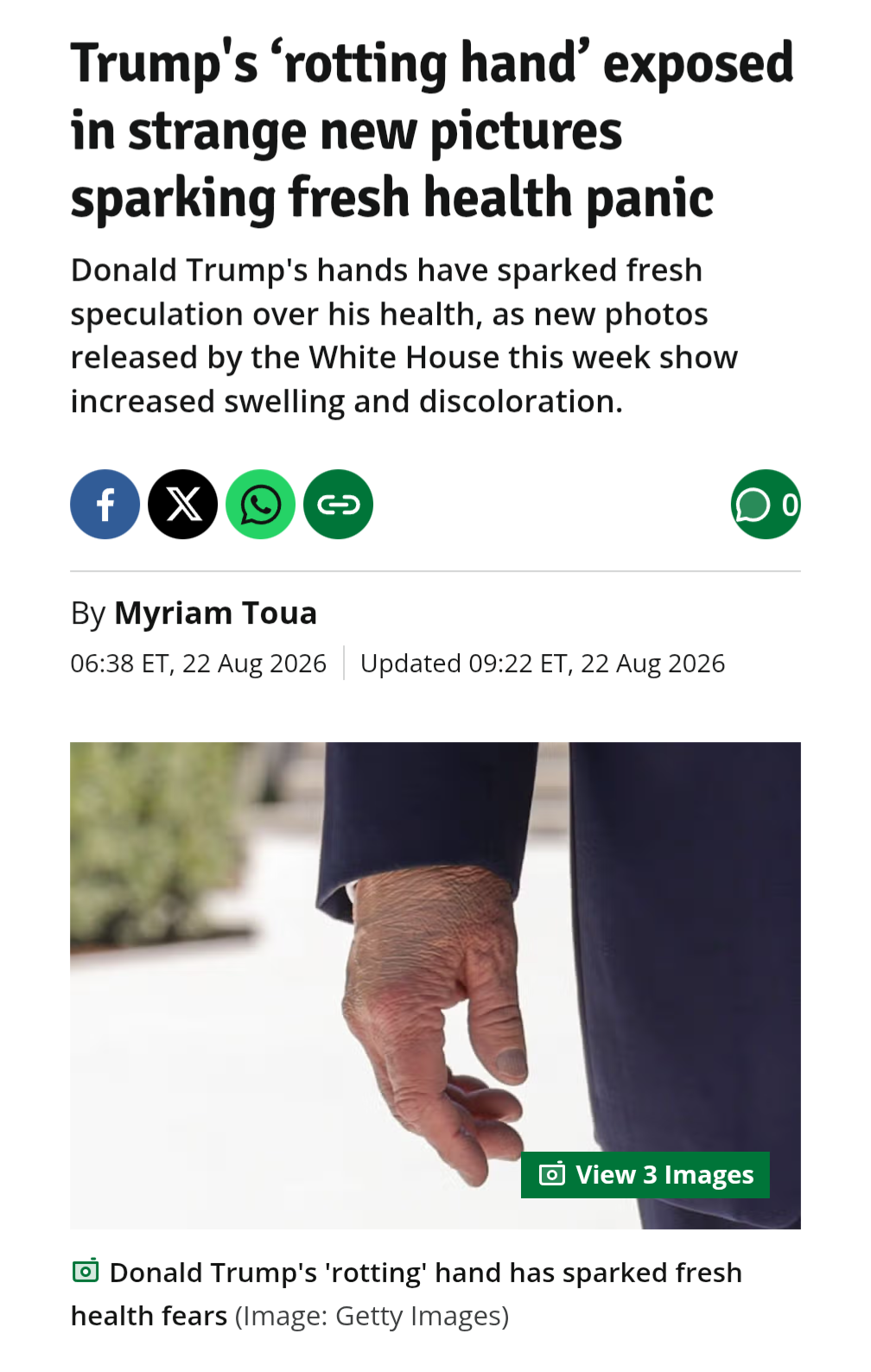 | author: | Myriam Toua | institution: | Unknown | ¿porque no los dos? |
| tl;dr | The piece claims new photos of Donald Trump’s hand show “rotting,” “swelling,” and “discoloration,” and says this is sparking renewed public concern about his health. The framing is driven by speculation from images rather than documented medical reporting, using alarming language to imply serious illness without clear evidence or expert confirmation in the snippet shown. | ||||
| deeper: | The headline uses emotionally loaded, medically suggestive wording (“rotting hand,” “health panic”) that primes readers to fear a severe condition. The premise relies on interpretation of photos and “speculation,” with no cited diagnosis, clinical context, or named medical experts in the visible excerpt. This is classic tabloid-style health insinuation: strong claims, weak verification. Political valence is present because it targets a prominent conservative figure, but the bigger issue is sensationalism over evidence. | ||||
media: No Media Preview | |||||
| gen: 2026/08/10:14:38 in 1 min 7.4 secbias: 7 (Unknown) |
| type: eli5quality: 28 |
| pts: 0 |
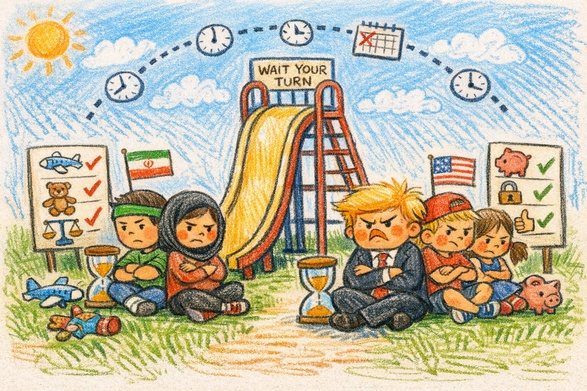
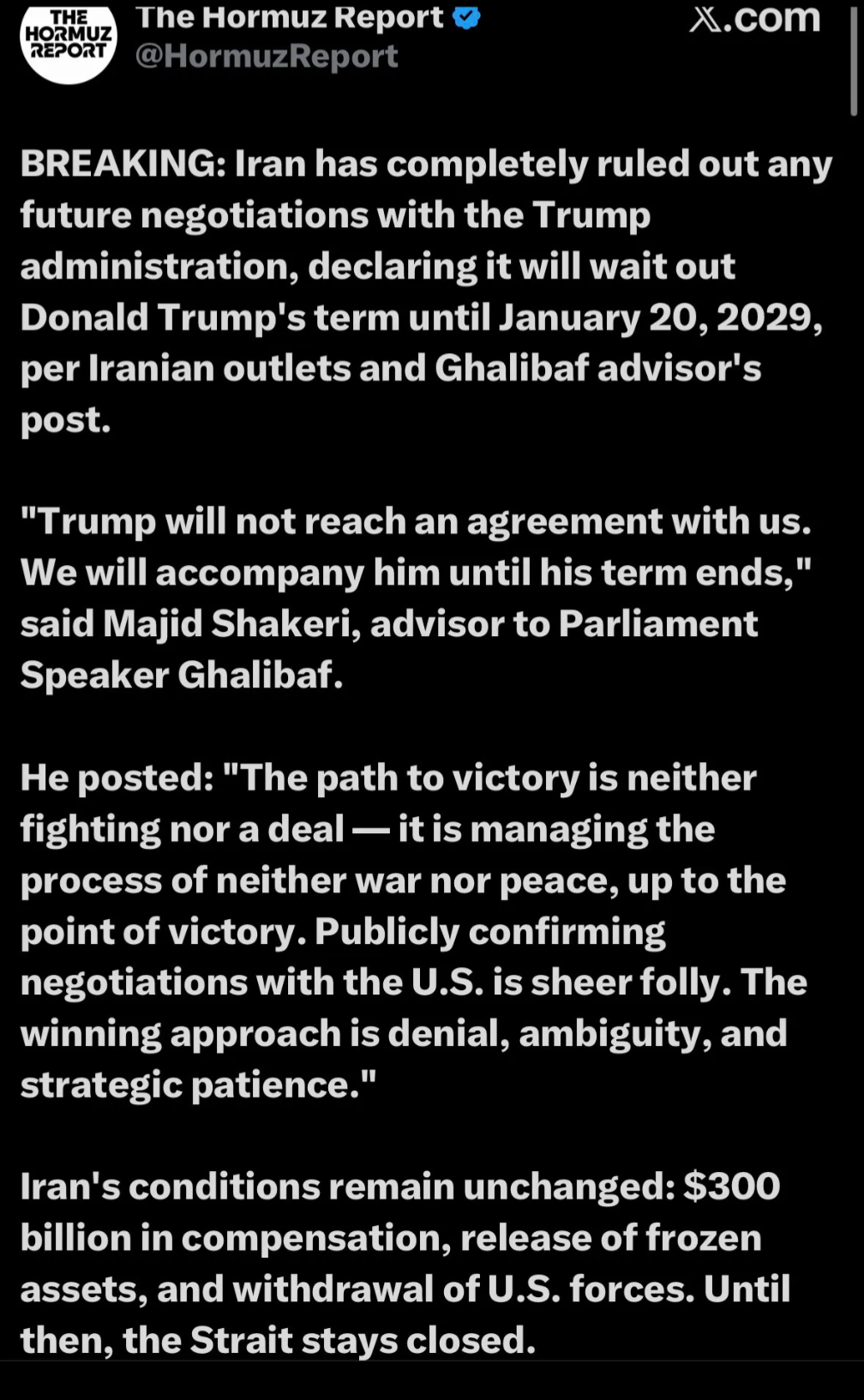 | author: | Unknown | institution: | The Hormuz Report (X account) | ¿porque no los dos? |
| tl;dr | A screenshot of an X post from “The Hormuz Report” claims Iran has “completely ruled out” negotiations with the Trump administration until January 20, 2029, citing “Iranian outlets” and a purported post by Majid Shakeri (an adviser to Iran’s parliament speaker). It also asserts Iran’s conditions include $300B compensation, release of frozen assets, and U.S. troop withdrawal, concluding: “Until then, the Strait stays closed.” The post is framed as breaking news but provides no primary documents or verifiable links. | ||||
| deeper: | The language is sensational (“BREAKING,” “completely ruled out,” “the Strait stays closed”) and compresses complex policy into absolutist claims. Attribution is vague (“Iranian outlets,” “advisor’s post”) with no screenshots of the original Persian statement, no dates, no outlet names, and no corroboration. It mixes a quotation with additional assertions (e.g., specific demands and a Strait-closure ultimatum) without showing they come from the same source. This style increases narrative impact while reducing checkability. | ||||
media: No Media Preview | |||||
| gen: 2026/08/07:19:52 in 57.6 secbias: 2 (Center) |
| type: eli5quality: 78 |
| pts: 0 |

 | author: | Unknown | institution: | Unknown | ¿porque no los dos? |
| tl;dr | The article reports that Saudi Arabia, Pakistan, and Turkey signed a mutual defense agreement during talks in Ankara. It highlights who attended (senior Saudi, Pakistani, and Turkish leaders), the broad purpose of the pact (expanded military/defense cooperation and mutual support), and frames it as both strategically meaningful and politically symbolic. It also situates the deal within the countries’ longstanding military ties and recent regional security dynamics. | ||||
| deeper: | The writing is largely straight news: it focuses on verifiable events (meeting, signing, attendees) and provides context about existing military relationships. Bias is limited to framing choices—phrases like “powerful political symbolism” and emphasis on regional messaging add interpretation without strong ideological slant. Quality is solid but constrained by lack of granular detail (scope, legal obligations, timelines, parliamentary approval, and enforcement mechanisms), so readers can’t fully assess how binding the pact is. | ||||
media: No Media Preview | |||||
| gen: 2026/08/07:19:49 in 1 min 6.3 secbias: 6 (Center-Left) |
| type: eli5quality: 78 |
| pts: 0 |
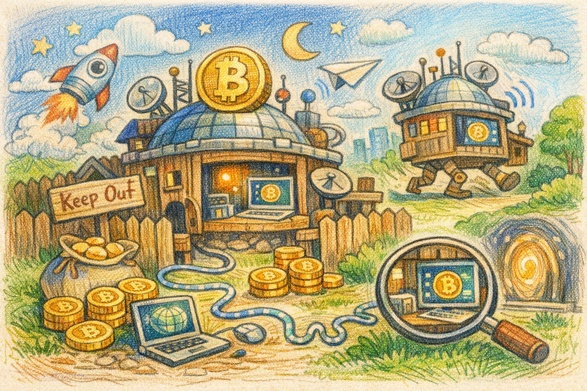
 | author: | Unknown | institution: | Tortoise | ¿porque no los dos? |
| tl;dr | This is an investigative-style article (from Tortoise) about a roughly £200bn-scale crypto business portrayed as unusually opaque—hard to audit, hard to map structurally, and difficult for regulators and counterparties to scrutinize. Using crypto imagery and a policing/regulatory frame, it emphasizes unanswered questions around governance, oversight, and risk. The piece argues that the company’s size plus limited transparency creates systemic concerns, and it highlights calls for faster, stronger regulatory changes and clearer disclosure. | ||||
| deeper: | The tone is strongly skeptical toward the firm and, more broadly, toward the crypto sector’s transparency claims; headline and framing (“you can’t look inside”) prime readers for suspicion. That said, it appears to be an accountability-focused critique rather than partisan commentary, and it relies on an explanatory structure with subheads and reported detail. Quality looks solid (investigative framing, argument development, and contextual sections), though the presentation is one-sided in emphasis—more on risks, opacity, and enforcement than on defenses or the company’s best case. | ||||
| gen: 2026/08/07:19:46 in 58.5 secbias: 4 (Center) |
| type: eli5quality: 62 |
| pts: 0 |
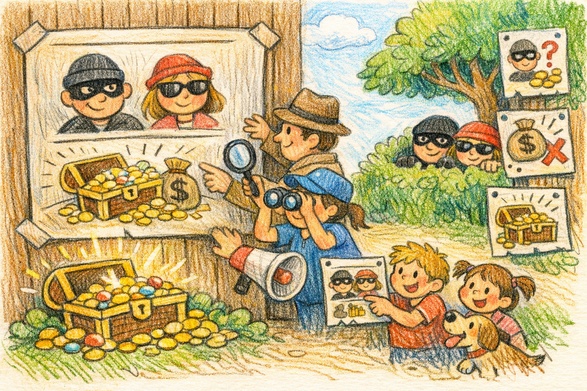
 | author: | Unknown | institution: | Unknown | ¿porque no los dos? |
| tl;dr | The image appears to be a long webpage article focused on a cybercrime/counterintelligence topic, featuring a “REWARD $5,000,000 USD” poster and multiple screenshots that look like technical artifacts (code/logs/chat/OSINT-style evidence). It visually frames several individuals (headshots at the top) and then presents supporting material below, likely alleging involvement in hacking/ransomware or related illicit activity and soliciting information. | ||||
| deeper: | The layout and repeated “REWARD” poster create a strongly accusatory frame and can push readers toward a presumption of guilt, which raises bias slightly. The inclusion of technical screenshots suggests an attempt at evidentiary support, but the image resolution makes it hard to verify specifics, context, or whether the evidence is independently corroborated. Quality is moderate: it looks structured and source-driven, but it relies heavily on presented artifacts and attention-grabbing visuals rather than clearly legible, checkable citations in this screenshot. | ||||
| gen: 2026/08/07:16:40 in 1 min 18.6 secbias: 2 (Center) |
| type: eli5quality: 82 |
| pts: 0 |
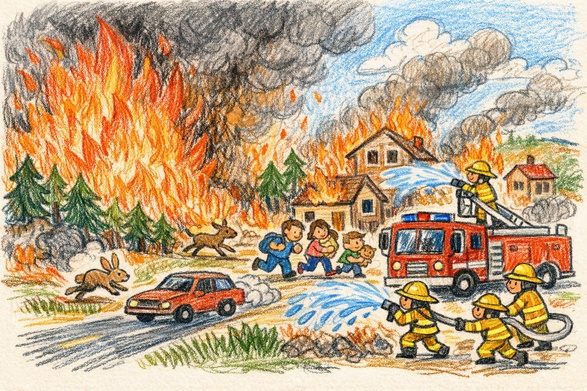
 | author: | Unknown | institution: | NPR | ¿porque no los dos? |
| tl;dr | An NPR “Picture Show” photo essay documents wildfires near Spokane, Washington, showing burned homes, heavy smoke, and emergency response activity. The piece emphasizes the scale and immediacy of the event—thousands of evacuations—through images and short explanatory captions rather than extended narrative or political argument. Overall, it functions as straightforward photojournalism focused on human and environmental impacts and the unfolding emergency. | ||||
| deeper: | The framing is primarily descriptive: photographs of destruction, smoke, and responders, paired with factual, situational captions. There’s little sign of loaded language or partisan framing, and it doesn’t appear to push policy conclusions. Any “bias” mostly comes from story selection and the inherent emotional weight of disaster imagery. Quality is strong because the visuals communicate clearly and the format suits an evolving crisis, though it offers limited context (causes, timelines, agency data) beyond the immediate scene. | ||||
media: No Media Preview | |||||
| gen: 2026/08/07:16:37 in 1 min 5.4 secbias: 3 (Center) |
| type: eli5quality: 75 |
| pts: 0 |
 | author: | Unknown | institution: | The Conversation | ¿porque no los dos? |
| tl;dr | The image shows a The Conversation-style explainer about the dietary supplement citicoline and claims it may help with brain-related conditions (memory/cognition/neurological injury), outlining what it is, how it might work, what current treatments are, and what evidence/trials exist. The article appears to emphasize potential benefits while noting uncertainty and the need for more rigorous clinical testing. | ||||
| deeper: | The tone is largely explanatory and science/health-oriented, with moderate optimism about citicoline’s potential. Bias risk comes from framing a “supplement” as a promising intervention before definitive trial results and from selective emphasis on mechanisms/early findings. Quality is fairly strong for a general audience: structured sections, cautious language about evidence, and discussion of trials/limitations. It’s not top-tier because the screenshot doesn’t show strong sourcing detail (study sizes, effect sizes, conflicts) or clear separation between established evidence and hypotheses. | ||||
| gen: 2026/08/07:16:34 in 1 min 3.3 secbias: 3 (Center) |
| type: eli5quality: 78 |
| pts: 0 |
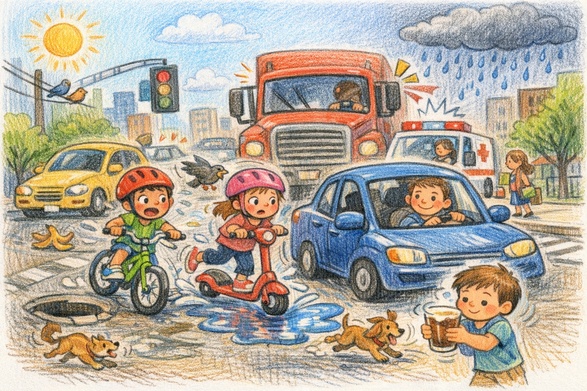
 | author: | Unknown | institution: | The Guardian | ¿porque no los dos? |
| tl;dr | The article reports analysis suggesting pedestrians in England and Wales who are struck by motorbikes or bicycles are more likely to suffer traumatic brain injuries than those struck by cars. It highlights that while motorbikes/cycles are involved in a smaller share of collisions, the head-injury proportion is higher, and discusses possible reasons (impact dynamics, underreporting, infrastructure). It includes calls from researchers for better data, safety measures, and street design that reduces conflict between pedestrians and two-wheeled vehicles. | ||||
| deeper: | The piece is largely evidence-led, anchored in a specific study/analysis and framed around injury outcomes rather than culture-war claims. It still has mild selection bias: focusing on traumatic brain injury can make relatively rare events feel more common, and the headline may invite fear of cycling/motorbikes without always matching exposure rates (miles traveled, speeds, volumes). Quality is solid: clear news framing, attributable findings and expert voices, but limited methodological detail in the article view and likely relies on a single analysis rather than multiple independent sources. | ||||




owned and operated by: RPN Omnigalactic Insitutution as of: 2026/10/11: 13:36 in 0 ms
Enter Code
Login with Account