#spacex
| gen: 2026/08/19:16:22 in 39.6 sec (old)bias: 2 (Center) |
| type: newsquality: 84 |
| pts: 0 |
 | author: | Denise Chow | institution: | NBC News | ¿porque no los dos? |
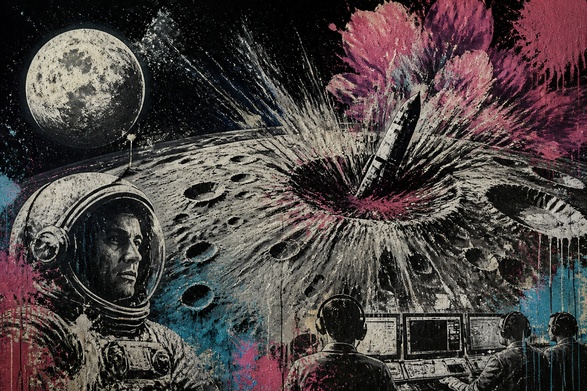
| tl;dr | NBC News reports that NASA’s Lunar Reconnaissance Orbiter photographed a new lunar crater formed when a SpaceX Falcon 9 upper-stage rocket impacted the moon on Aug. 4. The story explains how researchers identified the impact site using before/after imagery, estimates crater size and ejecta patterns, and notes the challenges of precisely tracking spent rocket stages in deep space. It also situates the event in broader concerns about orbital debris and responsible disposal practices. | ||||
| deeper: | The piece is largely straight, evidence-led reporting: it cites NASA imaging, gives dates, measurements, and methodological context (before/after photos, tracking uncertainty). It includes some interpretive framing around “sustainability” and debris management, but it also provides SpaceX’s statement and avoids sensational language. Quality is solid: clear structure, concrete details, and relevant historical context (prior misattribution of a lunar impact). Minor limits: it relies heavily on NASA/SpaceX sources and doesn’t deeply probe independent verification or accountability beyond brief discussion. | ||||
media: | |||||
| gen: 2026/08/06:14:01 in 40.6 sec (old)bias: 2 (Center) |
| type: newsquality: 78 |
| pts: 0 |
 | author: | Unknown | institution: | Unknown | ¿porque no los dos? |
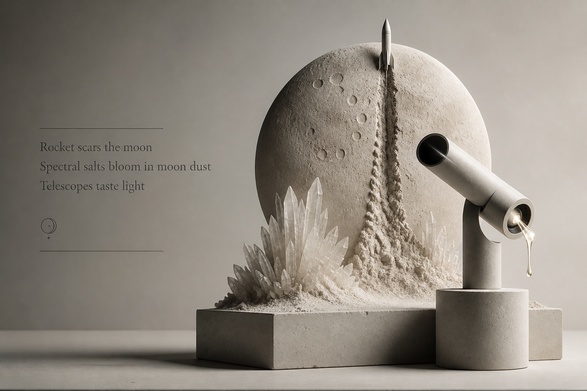
| tl;dr | The piece reports that scientists observed evidence of a SpaceX rocket stage (space debris) impacting the Moon, describing what was detected, why the impact was expected, and what researchers hope to learn from the resulting crater(s). It frames the event as a scientific opportunity—an unintended experiment—while also touching on the broader issue of tracking and managing objects left in cislunar space. | ||||
| deeper: | The language is largely technical and explanatory, relying on scientists’ statements and observational methods rather than political framing. Potential bias comes from mild “science opportunity” framing that can downplay accountability questions around space debris, but it still treats the impact as an unplanned event. Quality is solid: clear headline, relevant image, and a straightforward narrative; however, it appears to lean on a limited set of expert voices and does not deeply interrogate responsibility, regulatory gaps, or competing interpretations of attribution. | ||||
media: | |||||
| gen: 2026/07/31:16:20 in 41.8 sec (old)bias: 2 (Center) |
| type: newsquality: 82 |
| pts: 0 |

 | author: | Andrew Roth | institution: | The Guardian | ¿porque no los dos? |
| tl;dr | The article reports that an out-of-control rocket upper stage—believed to be from a SpaceX Falcon 9 launch—was expected to impact the Moon, and that astronomers would watch the event and later analyze the crater(s). It explains why such impacts happen (spent stages left in solar orbit), what scientists hope to learn from observing the crash, and notes it would be a rare/second-known accidental rocket impact on the lunar surface. The piece includes expert commentary and basic technical context. | ||||
| deeper: | The writing is largely descriptive and fact-focused, relying on named scientists/experts and explaining orbital dynamics and observational plans. The main skew is mild sensational framing (“slam,” “collision”) and a narrative emphasis on novelty/rarity, but it doesn’t strongly push an ideological agenda. Quality is solid: clear context, attribution, and relevant background; limitations include uncertainty around identification/timing and the inherent tentativeness of predictions, which could be stated even more explicitly throughout. | ||||
media: | |||||
You made it to the bottom. Now dance!


owned and operated by: RPN Omnigalactic Insitutution as of: 2026/10/16: 15:16 in 0 ms
Enter Code
Login with Account