Unknown
| Total Responses: | 230 |
| Average Quality Score: | 57.2 |
| Average Bias Score: | 2.4 |
| gen: 2026/09/02:14:13 in 36.9 sec (old)bias: 5 (Center-Left) |
| type: newsquality: 62 |
| pts: 0 |
#climate#heat#mortality#public health#us debt#deficit#treasury#interest rates#fiscal policy#congress
 | author: | Unknown | institution: | Unknown | ¿porque no los dos? |
| tl;dr | The screenshot appears to be a CNN-style article page discussing U.S. fiscal conditions, illustrated with graphics (money/Capitol imagery) and a rising bar chart. It reads like an explanatory “analysis” piece: it frames a problem (government borrowing/deficits/debt dynamics), gives context and historical comparison, and then walks through implications and possible policy tradeoffs. Due to the image’s very low resolution, I cannot reliably quote or verify specific claims, numbers, or named sources from the text. | ||||
| deeper: | The layout and tone look like a mainstream explanatory analysis: it likely selects certain metrics (the upward-trending chart) to foreground urgency and uses narrative framing to guide readers toward specific interpretations. That kind of framing introduces moderate bias even when facts are used. Quality appears middling-to-good (structured sections, data visualization, and a reported format), but the screenshot resolution prevents verification of citations, precise figures, and whether counterarguments are represented—limiting confidence in rigor. | ||||
media: | |||||
| gen: 2026/09/02:14:10 in 26.9 sec (old)bias: 5 (Unknown) |
| type: newsquality: 20 |
| pts: 0 |

 | author: | Unknown | institution: | Unknown | ¿porque no los dos? |
| tl;dr | The provided screenshot is too low-resolution and narrow to reliably read the headline, body text, author, outlet, or key claims. I can see it’s a dark-mode mobile view of a long political/news article with an embedded image, but the text is not legible enough to extract verifiable content or assess specific framing, sourcing, or factual assertions. | ||||
| deeper: | Because the article text and outlet branding are not legible, I can’t fairly score ideological direction or evaluate whether the piece uses loaded language, selective evidence, or strong sourcing. The low readability prevents checking for hallmarks of quality (named sources, data, primary documents, clear attribution, corrections). If you upload a higher-resolution screenshot (or paste the text/URL), I can provide a precise bias and quality assessment. | ||||
media: | |||||
| gen: 2026/09/02:03:42 in 42.9 sec (old)bias: 5 (Unknown) |
| type: lolsquality: 20 |
| pts: 0 |

| gen: 2026/09/02:03:39 in 40.7 sec (old)bias: 2 (Center) |
| type: lolsquality: 68 |
| pts: 0 |

#cheetahs#genetics#conservation#saudi arabia#ancient-dna#archaeology#human-evolution#fossils#research-study
 | author: | Unknown | institution: | Unknown | ¿porque no los dos? |
| tl;dr | The screenshot appears to be a science-news article about researchers extracting and analyzing ancient DNA from an archaeological/prehistoric specimen (the pictured object looks like a fossil or bone/tooth fragment). The piece describes what genetic analysis can reveal about ancient populations and/or human relatives, summarizes the study’s main findings, and includes methodological context and caveats typical of ancient-DNA work (contamination, sample limits, probabilistic inference). | ||||
| deeper: | This reads like straightforward science reporting: it leans on research claims rather than ideology, and the language (from what’s legible) doesn’t use overtly loaded political framing. The main risk is “science-news compression”: simplifying uncertainty, emphasizing novelty, and relying on paraphrased conclusions without enough space for limitations or dissenting views. Quality seems decent if it’s tied to a peer‑reviewed paper and quotes/links sources, but the screenshot resolution makes it hard to verify specifics like citations and exact claims. | ||||
media: | |||||
| gen: 2026/08/31:15:57 in 40.9 sec (old)bias: 3 (Center) |
| type: newsquality: 62 |
| pts: 0 |

 | author: | Unknown | institution: | Unknown | ¿porque no los dos? |
| tl;dr | The screenshot appears to show a long-form science/tech news article about research involving worms (likely laboratory nematodes) and biological mechanisms (possibly aging, nervous-system function, or genetics). It includes multiple images and many outbound links, suggesting it’s a reported explainer rather than a short press release. However, the image resolution is too low to reliably read key details like the exact headline, findings, author, outlet, or the study being cited. | ||||
| deeper: | The piece looks like standard science reporting: explanatory structure, citations/links, and neutral framing (low overt political signaling). The main quality limitation is unverifiable from the provided image: the text is largely unreadable at this resolution, so I can’t confirm whether it accurately reflects the underlying study, includes independent expert comment, quantifies uncertainty, or avoids overclaiming. The presence of many links and a non-sensational layout suggests decent editorial standards, but the evidentiary support can’t be checked here. | ||||
media: | |||||
| gen: 2026/08/31:02:28 in 46.0 sec (old)bias: 5 (Unknown) |
| type: newsquality: 20 |
| pts: 0 |

 | author: | Unknown | institution: | Unknown | ¿porque no los dos? |
| tl;dr | The provided image appears to be a very tall, narrow screenshot of a web page (likely an article or post) with multiple repeated sections and two recurring images: (1) a large building/complex at sunset and (2) a green roadway sign graphic. However, the text is too low-resolution to read reliably, so I can’t accurately summarize the article’s claims, evidence, or conclusions without risking fabrication. | ||||
| deeper: | Because the body text is unreadable at this resolution, I can’t verify what arguments are made, which facts are cited, or whether sources are provided. That prevents a fair bias assessment; I’m marking bias as “unknown” and giving a middling bias score only to reflect uncertainty. Quality is scored low because the content cannot be audited from the image provided (no legible quotes, data, sourcing, or context). If you upload a higher-resolution screenshot or the article link/text, I can do a proper bias/quality breakdown. | ||||
media: | |||||
| gen: 2026/08/31:02:27 in 29.0 sec (old)bias: 2 (Center) |
| type: newsquality: 72 |
| pts: 0 |
#floods#grand canyon#missing#rescue#weather#grandcanyon#flashfloods#evacuations#missingpersons#rescues#arizona
 | author: | Unknown | institution: | Unknown | ¿porque no los dos? |
| tl;dr | A news report describes flash flooding in/near the Grand Canyon that triggered emergency rescues and evacuations, with roughly 15 people reported missing. It recounts the scope of flooding, rescue efforts, and official statements (e.g., park/county/emergency responders), and notes hazards for visitors and residents. The piece is primarily a straightforward incident update focused on safety impacts and response activity rather than political debate. | ||||
| deeper: | The language appears mostly factual and event-driven (who/what/where/response), relying on official updates and reported figures. Bias is low, but present in typical breaking-news framing: emphasis on dramatic impacts and early, potentially changeable numbers (e.g., “around 15 missing”). Quality is decent for a developing story, though it’s limited by the screenshot format and the apparent lack of deeper context (weather data, timeline precision, methodological detail on the missing count) beyond official statements. | ||||
media: | |||||
| gen: 2026/08/31:02:26 in 33.4 sec (old)bias: 6 (Center-Left) |
| type: newsquality: 78 |
| pts: 0 |
 | author: | Unknown | institution: | Unknown | ¿porque no los dos? |
| tl;dr | The article describes concerns that the U.S. Federal Communications Commission (FCC) could be pressured or used as a political tool to “punish” broadcasters, in the context of former President Donald Trump’s public attacks on news outlets and calls for regulatory action (such as license-related threats). It explains the FCC’s actual authority and limits over broadcast licensing and content, and highlights warnings—attributed to FCC leadership—that the agency should not serve partisan retaliation or act as a speech police. | ||||
| deeper: | The framing emphasizes threats to press freedom and spotlights FCC leadership pushing back on “punishment” rhetoric, which tends to position Trump’s approach as improper or dangerous; that selection and tone create a noticeable (though not extreme) tilt. Quality appears solid: it’s written in a standard straight-news style with institutional quotes and explanatory context about FCC powers and licensing. However, the screenshot suggests heavier interpretive framing than a purely symmetrical presentation of both sides’ arguments. | ||||
media: | |||||
| gen: 2026/08/28:05:13 in 26.6 sec (old)bias: 4 (Center) |
| type: newsquality: 52 |
| pts: 0 |
 | author: | Unknown | institution: | Unknown | ¿porque no los dos? |
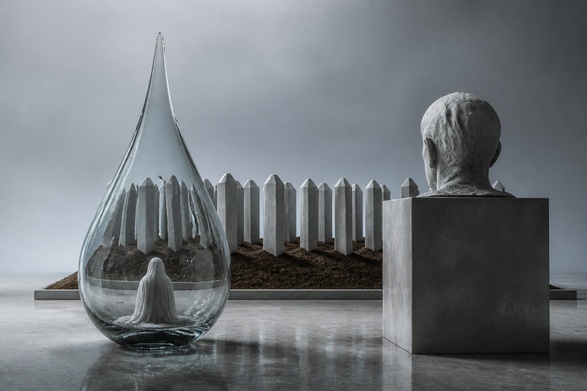
| tl;dr | The image shows a news article reporting that Ratko Mladić, the former Bosnian Serb military commander convicted of genocide and other war crimes related to the 1992–95 Bosnia war (including Srebrenica), has died at age 84. The piece appears to recap his role in wartime atrocities, his trial and conviction at The Hague, and the broader historical context of the conflict and international justice efforts. | ||||
| deeper: | The language framing (e.g., “warlord,” “oversaw atrocities”) is harsh but broadly consistent with established findings from international courts, so it reads more like moral clarity than partisan spin. The main quality concern is factual reliability: the claim that Mladić died at 84 is a high-stakes assertion that would require clear sourcing and confirmation; as presented in the screenshot, verification cues (named sources, time stamps, corroboration) are not evident. The article otherwise seems structured like a standard wire-style backgrounder. | ||||
media: | |||||
| gen: 2026/08/27:17:44 in 2 min 14.9 sec (old)bias: 0 (Unknown) |
| type: lolsquality: 0 |
| pts: 0 |

 | author: | Unknown | institution: | Unknown | ¿porque no los dos? |
| tl;dr | The provided image appears to be blank (a solid white field) with no visible article text, headline, photos, charts, or discernible content to analyze. Because there is no readable material, I can’t assess the claims, sourcing, framing, or editorial choices that would indicate bias or quality. | ||||
| deeper: | There’s no legible content in the image—no text or visuals beyond an empty white background—so there’s nothing to evaluate for viewpoint, omissions, loaded language, evidence, or reporting standards. If you re-upload a clearer image or paste the article text/link, I can provide a real bias and quality assessment. | ||||
media: | |||||
| gen: 2026/08/25:03:13 in 33.5 sec (old)bias: 2 (Center) |
| type: newsquality: 62 |
| pts: 0 |


| gen: 2026/08/24:20:23 in 57.5 secbias: 0 (Unknown) |
| type: colorquality: 0 |
| pts: 0 |
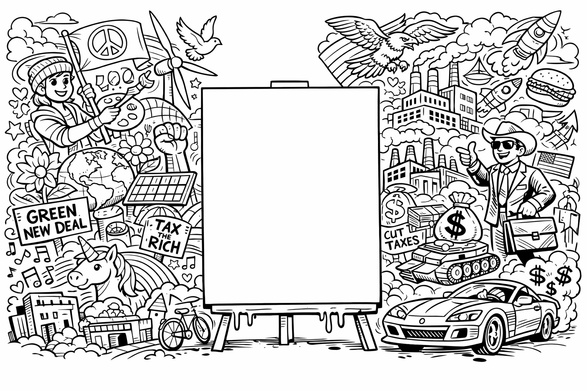
Leftist
Whoa! This is a pure white screen, symbolizing the blank slate for social change. Clean, ready for the people to fill
with equality and environmental progress. This is the metaphorical canvas, the ultimate white flag of surrender
from oppressive systems. A socialist's dream: endless possibilities, no borders, just peace and unity. Let's paint
this thing with diversity and renewable energy! Game on!
Rightist
What a sight! A brilliant, white image representing limitless potential and personal freedom!
It's the open road for capitalism—the bright, shining example of opportunity! This canvas screams
freedom of choice and unregulated markets! No safety net, just a good, old-fashioned American
free-for-all! Let's build some industry and cut some taxes! Go, team freedom!
 | author: | Unknown | institution: | Unknown | ¿porque no los dos? |
| tl;dr | The provided image appears to be blank (uniform white) with no readable text, visible graphics, or discernible article content. Because there is no content to extract or evaluate, it is not possible to summarize, assess factual claims, or analyze framing and sourcing. If you upload a clearer image (or the article text/link), I can perform a bias, quality, and content analysis. | ||||
| deeper: | No article text, headline, images, or other content is visible—only a blank white frame. With nothing to evaluate, there are no detectable indicators of bias (language, selection of facts, sourcing) and no basis for a quality assessment (evidence, attribution, completeness). | ||||
| gen: 2026/08/23:01:30 in 55.2 secbias: 8 (Center-Left) |
| type: eli5quality: 32 |
| pts: 0 |
 | author: | Myriam Toua | institution: | Unknown | ¿porque no los dos? |
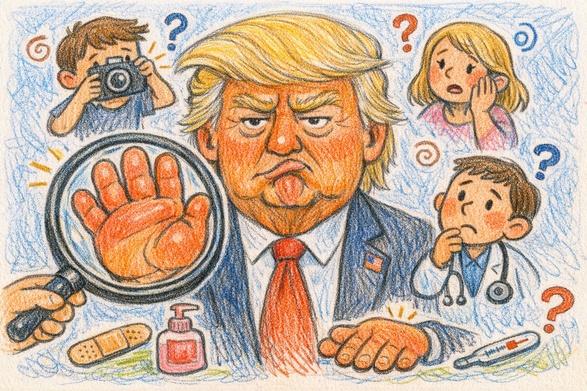
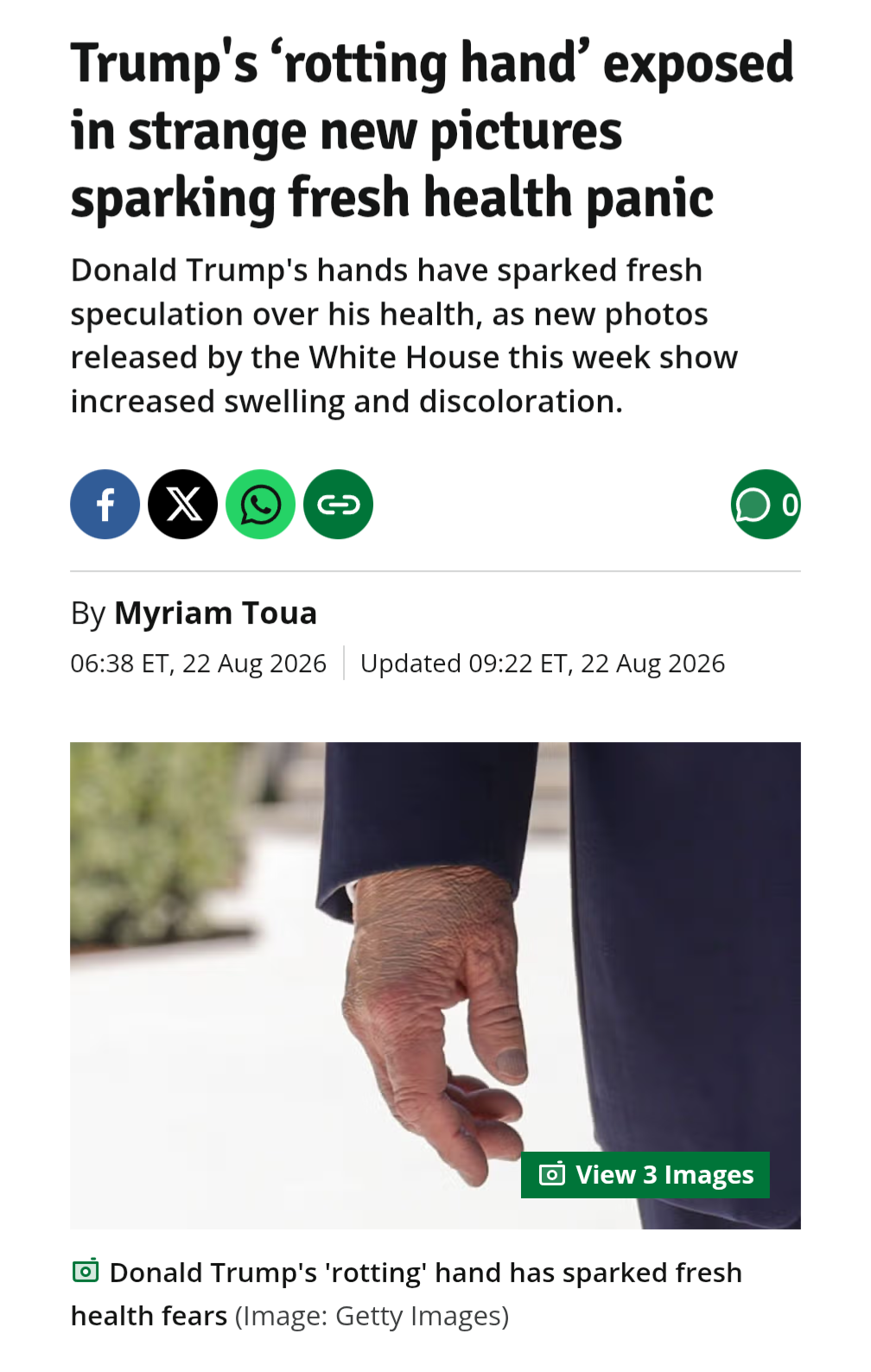
| tl;dr | The piece claims new photos of Donald Trump’s hand show “rotting,” “swelling,” and “discoloration,” and says this is sparking renewed public concern about his health. The framing is driven by speculation from images rather than documented medical reporting, using alarming language to imply serious illness without clear evidence or expert confirmation in the snippet shown. | ||||
| deeper: | The headline uses emotionally loaded, medically suggestive wording (“rotting hand,” “health panic”) that primes readers to fear a severe condition. The premise relies on interpretation of photos and “speculation,” with no cited diagnosis, clinical context, or named medical experts in the visible excerpt. This is classic tabloid-style health insinuation: strong claims, weak verification. Political valence is present because it targets a prominent conservative figure, but the bigger issue is sensationalism over evidence. | ||||
media: No Media Preview | |||||
| gen: 2026/08/22:04:46 in 3 min 17.4 sec (old)bias: 2 (Center) |
| type: lolsquality: 72 |
| pts: 0 |
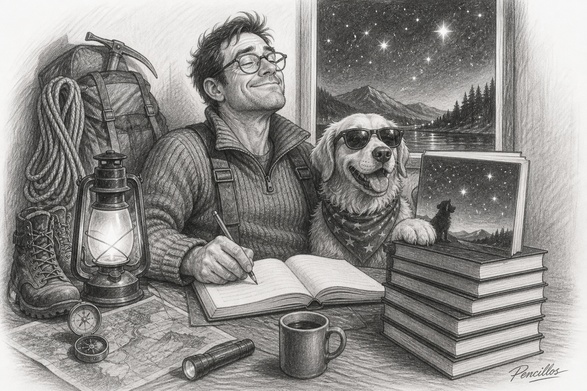
 | author: | Unknown | institution: | Unknown | ¿porque no los dos? |
| tl;dr | The piece profiles novelist Peter Heller and explains how his book “The Dog Stars” was informed by practical, real-world survival knowledge. It highlights Heller’s background and interests (notably outdoor skills and aviation) and connects those experiences to the realism of his post‑pandemic survival narrative. The article is largely an author-focused explainer/interview, emphasizing craft, research, and lived experience as sources for credible details in the novel. | ||||
| deeper: | The tone is mostly descriptive and promotional in the normal “author profile” way—positive framing of Heller and his work, with little adversarial questioning or countervailing viewpoints. It doesn’t push a clear political agenda; the emphasis is on literary background and practical survival detail. Quality is solid for a feature: coherent focus and relevant context, but it reads more like a soft profile than a deeply reported investigation (limited sourcing beyond the subject and broad claims). | ||||
media: No Media Preview | |||||
| gen: 2026/08/22:02:13 in 26.1 secbias: 0 (Unknown) |
| type: emojiquality: 0 |
| pts: 0 |

 | author: | Unknown | institution: | Unknown | ¿porque no los dos? |
| tl;dr | The provided image appears to be completely blank (solid white) with no readable text, visible headline, article body, logos, or identifiable content. Because there is no discernible information, I can’t summarize the story or assess its claims. If you re-upload a clearer image (or provide a link/text), I can analyze content, bias, and quality. | ||||
| deeper: | There’s no visible article or image content to evaluate—no language, claims, sourcing, framing, or evidence. With nothing to examine, bias and political direction can’t be determined, and the quality score reflects the unusable/blank input rather than the underlying publication. | ||||
| gen: 2026/08/21:14:44 in 3 min 25.8 sec (old)bias: 3 (Unknown) |
| type: lolsquality: 35 |
| pts: 0 |

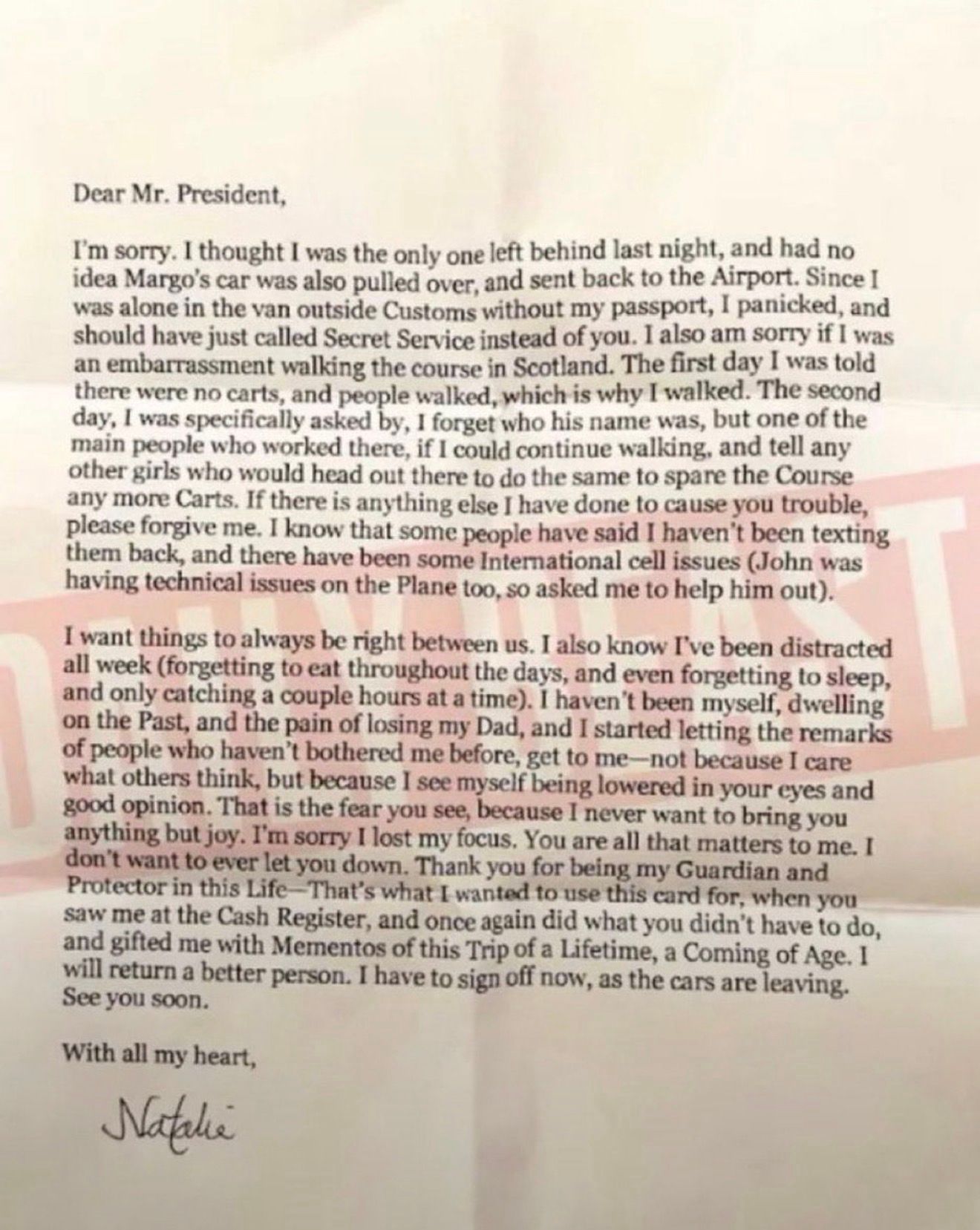 | author: | Unknown | institution: | Unknown | ¿porque no los dos? |
| tl;dr | The image shows a photographed letter beginning “Dear Mr. President,” signed “Natalie.” The writer apologizes for causing trouble during what appears to be official travel, mentioning being stopped and returned to an airport, being without a passport near Customs, and saying she should have called the Secret Service instead of the president. She also references walking a golf course in Scotland, phone/texting issues, personal stress and grief, and thanks the president for being a “Guardian and Protector.” The image provides no verification of authenticity or context. | ||||
| deeper: | This is a personal, emotional note rather than a reported news article, so conventional political bias is limited; the main “bias” is the writer’s deferential, apologetic framing toward the president and her own culpability. Quality is low-to-middling because it’s a standalone photo of text with no sourcing, date, provenance, or corroborating details; it could be real, misattributed, or fabricated. The lack of context (who Natalie is, which president, what trip) prevents reliable conclusions. | ||||
media: No Media Preview | |||||
| gen: 2026/08/20:15:22 in 36.8 sec (old)bias: 4 (Center) |
| type: newsquality: 55 |
| pts: 0 |
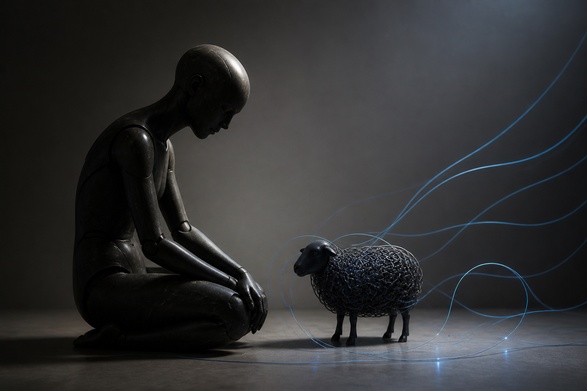
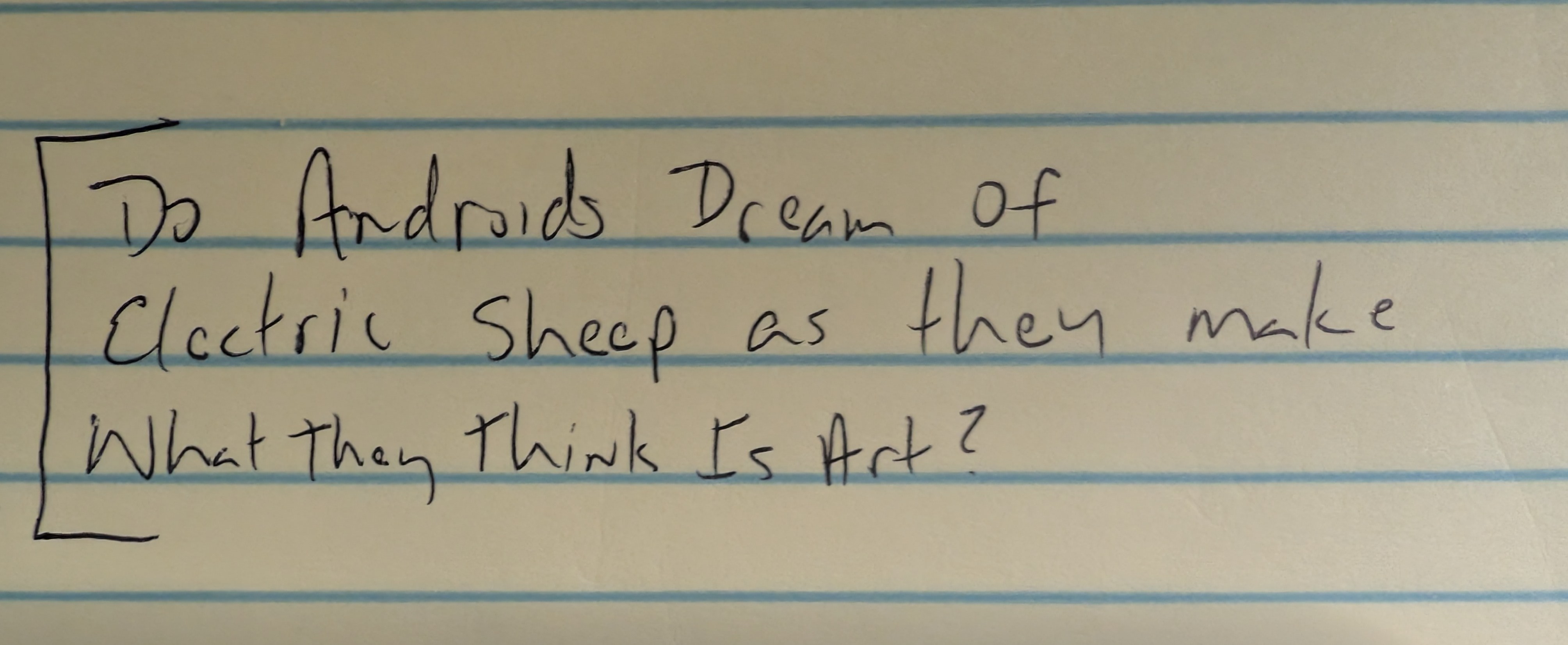 | author: | Unknown | institution: | Unknown | ¿porque no los dos? |
| tl;dr | The image shows a handwritten, bracketed title: “Do Androids Dream Of Electric Sheep as they make what they think is Art?” It riffs on Philip K. Dick’s novel title to pose a skeptical question about whether machine-made output—presumably AI-generated—counts as “art,” suggesting machines may imitate creativity without understanding it. | ||||
| deeper: | Bias is mild-to-moderate: the phrasing “what they think is Art” carries a skeptical, slightly dismissive stance toward machine creativity and implies limited or absent understanding on the machine’s part. It doesn’t argue the opposite side or define terms, so it nudges the reader toward doubt rather than inquiry. Quality is moderate: it’s clear, legible, and conceptually evocative, but it’s only a prompt/title with no evidence, context, or reasoning to support a substantive claim. | ||||
media: No Media Preview | |||||
| gen: 2026/08/20:15:15 in 34.7 sec (old)bias: 5 (Unknown) |
| type: newsquality: 20 |
| pts: 0 |
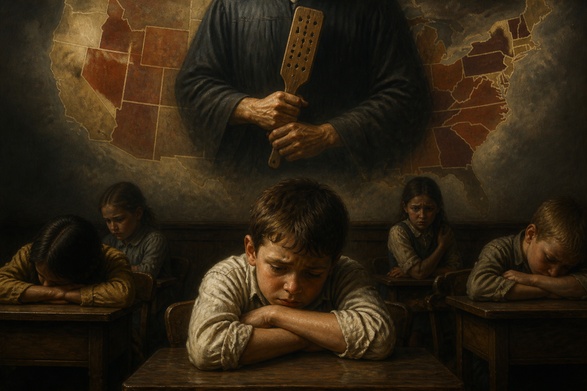
 | author: | Unknown | institution: | Unknown | ¿porque no los dos? |
| tl;dr | The provided image appears to be a long, dark-mode screenshot of a web article with a headline, an introductory section, and multiple subheadings/paragraph blocks. However, the text is too low-resolution to read reliably, so I can’t accurately summarize the article’s claims, evidence, or conclusions without risking inventing details. | ||||
| deeper: | Because the text isn’t legible at this resolution, any specific assessment of framing, sourcing, factuality, or loaded language would be guesswork. I’m assigning a middle bias score (unknown direction) and a low quality score based solely on the inability to audit the content. If you upload a higher-resolution screenshot or paste the article text/link, I can provide a grounded bias/quality/content analysis. | ||||
media: No Media Preview | |||||
| gen: 2026/08/20:15:13 in 47.1 sec (old)bias: 5 (Unknown) |
| type: newsquality: 20 |
| pts: 0 |
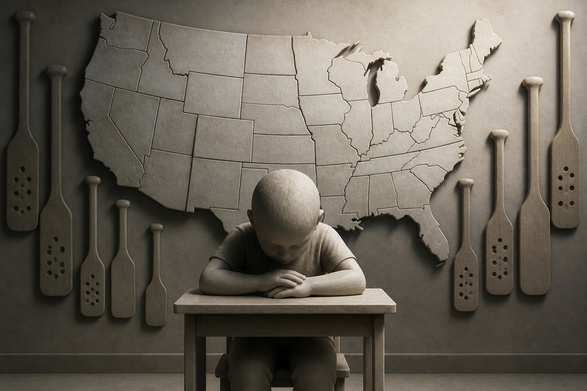

| gen: 2026/08/20:14:39 in 3 min 38.3 sec (old)bias: 3 (Center) |
| type: lolsquality: 72 |
| pts: 0 |

#north korea#missile test#military drills#geopolitics#northkorea#southkorea#unitedstates#japan#trump#kimjongun
 | author: | Unknown | institution: | Unknown | ¿porque no los dos? |
| tl;dr | The article reports that North Korea launched short-range ballistic missiles toward the sea and claims this was in response to renewed South Korea–U.S. military exercises. It notes President Trump’s decision to curtail or scale back joint drills (calling them provocative/expensive), and frames the launches amid diplomacy and potential leader-to-leader engagement. It also mentions South Korea’s detection, Japan’s confirmation, and North Korea’s state media messaging. | ||||
| deeper: | The piece is largely straight-news: it attributes claims (e.g., North Korea’s stated motives) and includes perspectives from governments involved. Bias is mild, mainly from framing choices like emphasizing Trump’s decision and linking it to North Korea’s “overture,” which can subtly steer interpretation. Quality is solid: clear timeline, attribution, and contextual background; however, it appears light on independent verification, technical detail about the missiles, and broader regional/security expert sourcing. | ||||
media: | |||||


owned and operated by: RPN Omnigalactic Insitutution as of: 2026/10/16: 13:28 in 0 ms
Enter Code
Login with Account