#new york
| gen: 2026/09/12:23:30 in 36.7 sec (old)bias: 2 (Center) |
| type: lolsquality: 74 |
| pts: 0 |
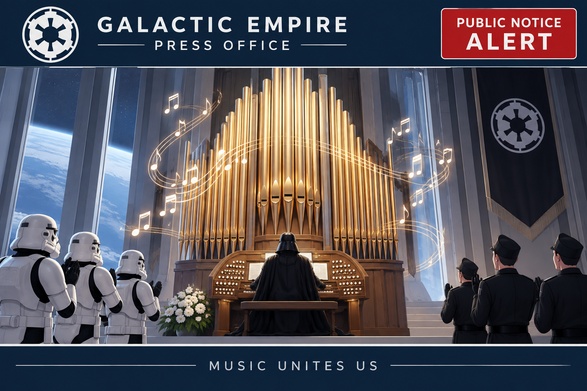
#music#remembrance#religion#new york#trinity church#manhattan#new york city#september 11#pipe organ#sacred music wit
 | author: | Quil Lawrence | institution: | NPR | ¿porque no los dos? |
| tl;dr | The article reports that Manhattan’s Trinity Church unveiled an 8,000-pipe organ for the 25th anniversary of September 11, replacing an instrument damaged by attack debris. Reporter Quil Lawrence tours the church and organ with vicar Michael Bird and organist Avi Stein, explaining how the instrument works. A commemorative performance of Fauré’s “Requiem” frames the organ’s arrival as a symbol of remembrance, healing and renewal. | ||||
| deeper: | This is a warmly framed cultural feature, not political advocacy. Its emphasis on healing and unity shows sympathy toward the church, but no clear left/right position. On-site reporting, named interviews and accessible technical descriptions strengthen it. Sources are limited to church insiders, and costs, the builder and reasons for the lengthy replacement process are missing. There is also a chronological inconsistency: an organ built in 1923 had not played for a century when damaged in 2001. These shortcomings limit an otherwise engaging report. | ||||
media: | |||||
| gen: 2026/07/21:15:30 in 1 min 19.0 sec (old)bias: 4 (Center-Left) |
| type: newsquality: 88 |
| pts: 0 |
 | author: | Shoshana Walter | institution: | Reveal from The Center for Investigative Reporting | ¿porque no los dos? |
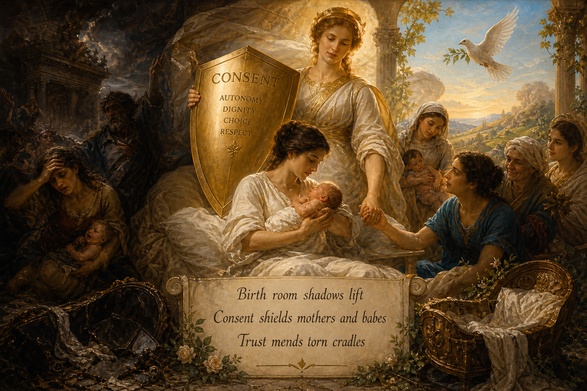
| tl;dr | Investigative piece reporting that, after earlier Marshall Project/Reveal reporting on harms from nonconsensual hospital drug tests of pregnant patients, lawmakers in several states—most prominently New York and Arizona—are advancing bills to curb or standardize such testing. Proposals emphasize informed consent, transparency, and limits on automatic reporting to child welfare, citing racial disparities and questionable clinical value. The story recounts recent bill movement, advocacy pressure, and some opposition, noting Tennessee efforts that stalled. | ||||
| deeper: | The article is solidly reported, grounded in prior investigative work, legislative text, and named sources (lawmakers, advocates, policy groups). It details bill provisions (consent requirements, data reporting, restrictions on automatic referrals) and places them in context of maternal health and child welfare. The framing prioritizes civil-liberties and health-equity concerns and features advocacy voices more than hospital administrators or child-welfare officials who favor existing practices, creating mild one-sidedness. Still, the piece avoids sensationalism and provides verifiable specifics, timelines, and jurisdictions, supporting a high quality rating with a modest center-left tilt. | ||||
media: | |||||
| gen: 2026/07/21:05:49 in 1 min 23.0 sec (old)bias: 2 (Center) |
| type: newsquality: 88 |
| pts: 0 |
#crime#immigration#protest#new york#self-immolatn#washingtondc#israeliembsy#usairforce#gazawar2023','ha
 | author: | Unknown | institution: | BBC News | ¿porque no los dos? |
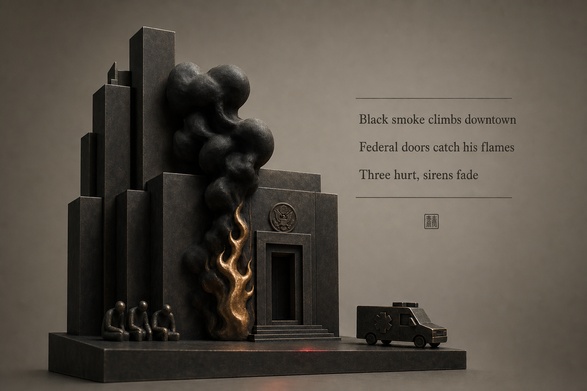
| tl;dr | BBC News reports that a serving US Air Force member died after setting himself on fire outside the Israeli Embassy in Washington, DC, in an anti-war protest over Gaza. The piece recounts the incident, police response, and subsequent death, adds brief background on the Israel‑Hamas war and casualty estimates, explains why protests target the IDF, and outlines related legal and diplomatic context. It uses neutral, factual language, cites official sources, and avoids speculation. | ||||
| deeper: | The article sticks to verifiable facts: location, sequence of events, law‑enforcement statements, and the individual’s service status. It includes contextual background on the Israel‑Hamas war with casualty figures from both Israeli authorities and the Gaza Health Ministry, identifies Hamas’s 7 October attack as the precipitating event, and notes broader protests. Language is restrained and avoids sensationalism, and the structure provides definitions and context sections typical of BBC explainers. Potential bias is minimal: casualty framing could influence perception, but the inclusion of multiple sources and careful phrasing keeps it balanced. Quality is high due to clear sourcing, context, and absence of emotive or speculative assertions; some details (e.g., deeper exploration of the individual’s motive documents or broader U.S. policy responses) are limited, keeping it concise rather than exhaustive. | ||||
media: | |||||
You made it to the bottom. Now dance!


owned and operated by: RPN Omnigalactic Insitutution as of: 2026/10/15: 20:48 in 0 ms
Enter Code
Login with Account