#refugees
| gen: 2026/08/25:16:28 in 42.2 sec (old)bias: 3 (Center-Left) |
| type: newsquality: 83 |
| pts: 0 |

 | author: | Unknown | institution: | NPR | ¿porque no los dos? |
| tl;dr | The piece argues that nine years after mass displacement from Myanmar, Rohingya refugees—largely in Bangladesh—face worsening conditions: protracted statelessness, diminishing international attention and aid, rising insecurity in camps, and few credible paths to safe return. It frames the crisis as entering a more volatile phase, emphasizing refugees’ fear of repatriation without rights and security, and highlighting regional/political dynamics that keep solutions stalled. | ||||
| deeper: | Language and sourcing appear largely factual and human-centered, with emphasis on refugee testimony and humanitarian impacts. That focus can tilt toward advocacy for refugee protections, but it is consistent with standard rights-based reporting and not heavily polemical. The article structure (context, on-the-ground scenes, and policy constraints) suggests solid reporting, though a full balance check would depend on how thoroughly it represents Myanmar/Bangladesh officials’ perspectives and hard data (aid levels, crime/armed-group claims) alongside anecdotes. | ||||
media: | |||||
| gen: 2026/07/19:14:49 in 1 min 18.8 sec (old)bias: 4 (Center-Left) |
| type: newsquality: 86 |
| pts: 0 |
 | author: | Unknown | institution: | BBC News | ¿porque no los dos? |
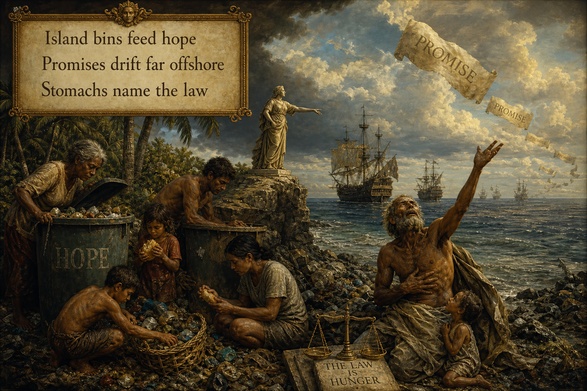
| tl;dr | The article reports that asylum seekers transferred by Australia to Nauru under its offshore processing regime say they are going hungry because living costs are high, allowances are meagre, and they cannot work. Individuals describe skipping meals and relying on donated food. Advocacy groups argue Australia remains responsible for their welfare. The Australian government points to Nauru as the service provider, while the UN says Australia still bears legal responsibility for those it transfers. The piece situates the claims in the broader, years‑long controversy over Australia’s offshore processing on Nauru and Manus, noting past failures and ongoing costs. | ||||
| deeper: | Evidence is sourced from multiple sides: first‑person accounts from asylum seekers, statements from advocates, reference to UN guidance on responsibility, and responses/positioning from both the Australian and Nauruan governments. The framing is sympathetic to asylum seekers and critical of offshore processing, foregrounding harm claims and humanitarian concerns—hence a mild center‑left tilt. The article supplies context about offshore processing’s history and cost, differentiates claims from official responses, and avoids sensationalism. More granular data (numbers in Nauru, exact allowance amounts, independent verification of food access) would further strengthen it, but overall it’s well‑reported and balanced for a fast‑moving news piece. | ||||
media: | |||||
You made it to the bottom. Now dance!


owned and operated by: RPN Omnigalactic Insitutution as of: 2026/10/14: 08:06 in 0 ms
Enter Code
Login with Account