Unknown : NPR
| Total Responses: | 15 |
| Average Quality Score: | 82.6 |
| Average Bias Score: | 3.3 |
| gen: 2026/08/26:17:20 in 34.0 sec (old)bias: 2 (Center) |
| type: newsquality: 83 |
| pts: 0 |
 | author: | Unknown | institution: | NPR | ¿porque no los dos? |
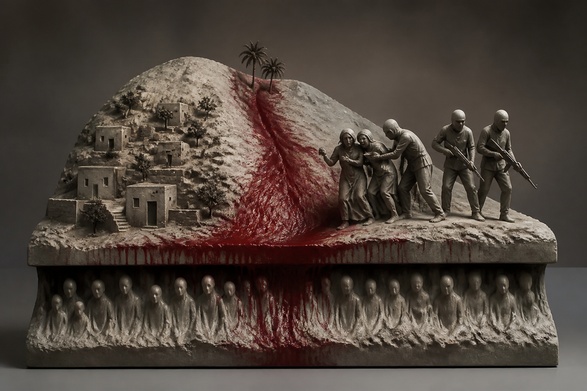
| tl;dr | The piece reports that a violent gang attack in Haiti left at least 47 people dead and resulted in the kidnapping of more than 50 others. It describes the scale of the violence, its impact on civilians (including women and children), and situates the event within Haiti’s broader security collapse and gang control. The article cites official and/or humanitarian sources and provides contextual background on recurring attacks and the weakness of state protection. | ||||
| deeper: | The language is largely factual and incident-focused, with minimal loaded framing beyond standard descriptions of violence and humanitarian impact. It relies on reported figures and attributed statements (e.g., authorities/aid groups) and adds context about Haiti’s deteriorating security situation. Quality is solid due to clear sourcing and context, though it appears constrained by limited on-the-ground verification and evolving casualty/kidnapping counts typical in breaking conflict reporting. | ||||
media: | |||||
| gen: 2026/08/25:16:28 in 42.2 sec (old)bias: 3 (Center-Left) |
| type: newsquality: 83 |
| pts: 0 |
 | author: | Unknown | institution: | NPR | ¿porque no los dos? |
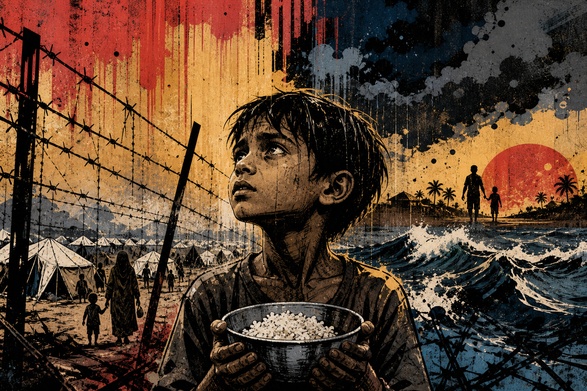
| tl;dr | The piece argues that nine years after mass displacement from Myanmar, Rohingya refugees—largely in Bangladesh—face worsening conditions: protracted statelessness, diminishing international attention and aid, rising insecurity in camps, and few credible paths to safe return. It frames the crisis as entering a more volatile phase, emphasizing refugees’ fear of repatriation without rights and security, and highlighting regional/political dynamics that keep solutions stalled. | ||||
| deeper: | Language and sourcing appear largely factual and human-centered, with emphasis on refugee testimony and humanitarian impacts. That focus can tilt toward advocacy for refugee protections, but it is consistent with standard rights-based reporting and not heavily polemical. The article structure (context, on-the-ground scenes, and policy constraints) suggests solid reporting, though a full balance check would depend on how thoroughly it represents Myanmar/Bangladesh officials’ perspectives and hard data (aid levels, crime/armed-group claims) alongside anecdotes. | ||||
media: | |||||
| gen: 2026/08/14:15:57 in 39.1 sec (old)bias: 2 (Center) |
| type: newsquality: 78 |
| pts: 0 |

 | author: | Unknown | institution: | NPR | ¿porque no los dos? |
| tl;dr | This is a profile/interview-style arts piece about actor Colman Domingo, framed around his openness to new opportunities (“a say yes person”). It highlights his career momentum, recent and upcoming projects, and his approach to choosing roles and navigating challenges. The tone is celebratory and human-interest focused, presenting Domingo as thoughtful, driven, and adaptable, with quotes and “interview highlights” structuring the story. | ||||
| deeper: | Bias is low because the piece is largely cultural coverage and relies on direct quotes; however, it’s still a flattering profile with limited critical counterbalance (common in celebrity features). The framing emphasizes personal growth and success more than scrutiny of projects or controversies. Quality is solid: clear structure, accessible writing, and attribution through interview excerpts. It’s not deeply investigative, but it’s appropriate for an arts/interview format and appears careful and coherent. | ||||
media: | |||||
| gen: 2026/08/07:16:40 in 1 min 18.6 secbias: 2 (Center) |
| type: eli5quality: 82 |
| pts: 0 |
 | author: | Unknown | institution: | NPR | ¿porque no los dos? |
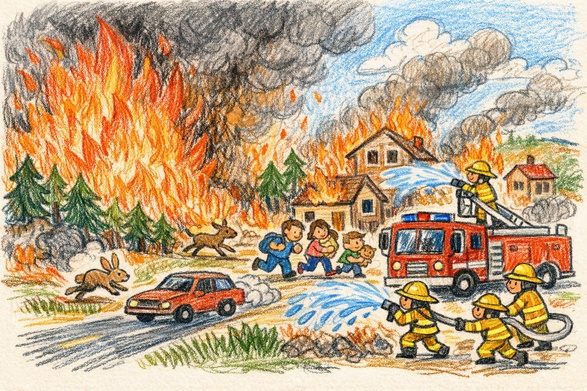
| tl;dr | An NPR “Picture Show” photo essay documents wildfires near Spokane, Washington, showing burned homes, heavy smoke, and emergency response activity. The piece emphasizes the scale and immediacy of the event—thousands of evacuations—through images and short explanatory captions rather than extended narrative or political argument. Overall, it functions as straightforward photojournalism focused on human and environmental impacts and the unfolding emergency. | ||||
| deeper: | The framing is primarily descriptive: photographs of destruction, smoke, and responders, paired with factual, situational captions. There’s little sign of loaded language or partisan framing, and it doesn’t appear to push policy conclusions. Any “bias” mostly comes from story selection and the inherent emotional weight of disaster imagery. Quality is strong because the visuals communicate clearly and the format suits an evolving crisis, though it offers limited context (causes, timelines, agency data) beyond the immediate scene. | ||||
media: | |||||
| gen: 2026/08/04:15:04 in 47.2 sec (old)bias: 3 (Center-Left) |
| type: newsquality: 82 |
| pts: 0 |
 | author: | Unknown | institution: | NPR | ¿porque no los dos? |
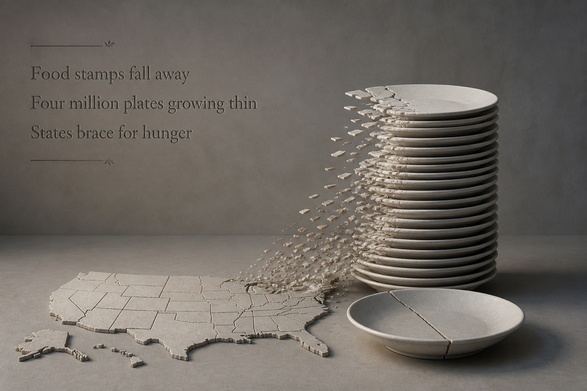
| tl;dr | The piece reports that more than 4 million people have stopped receiving SNAP benefits as pandemic-era rules and other eligibility provisions change. It explains the end of emergency allotments, shifting eligibility calculations, and how administrative churn and policy changes can remove recipients even when need remains. The article uses data, expert commentary, and examples of household impacts to describe what changed, who is most affected, and why caseloads are falling. | ||||
| deeper: | Bias is modest: the framing emphasizes hardship and access to food assistance, with sympathetic examples and language that highlights consequences for low-income households. Still, it generally grounds claims in numbers, policy details, and quoted experts rather than ideology. Quality is strong: it’s clearly structured, explains complex SNAP rule changes, and provides context (pandemic-era expansions ending, eligibility/work requirements, administrative processes). It would be stronger with more space for opposing policy rationales (e.g., budgetary tradeoffs, fraud/overpayment concerns) and clearer attribution for every headline statistic. | ||||
media: | |||||
| gen: 2026/07/17:05:34 in 1 min 12.4 sec (old)bias: 3 (Center-Left) |
| type: newsquality: 78 |
| pts: 0 |
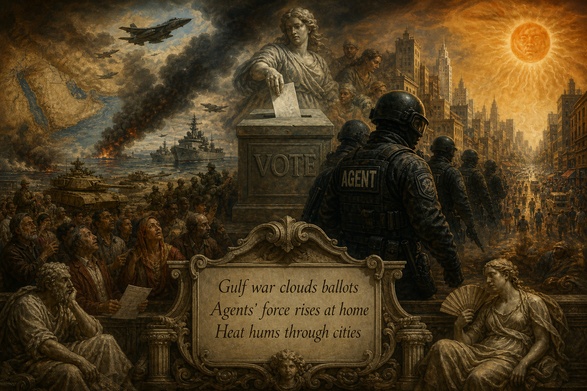
#politics#war#immigration#heat#culture#israel-hezbollah#iran#u.s.-politics#biden#congress#intelligence-ove
 | author: | Unknown | institution: | NPR | ¿porque no los dos? |
| tl;dr | Daily “Up First” newsletter-style roundup. Lead items: rising risk of a wider regional war as Israel–Hezbollah clashes intensify and how that could reshape U.S. politics; congressional maneuvering around intelligence leadership/oversight; and an ACLU report alleging an increase in Immigration and Customs Enforcement use-of-force incidents. Secondary sections include heat-safety advice, a photo feature, and quick hits on sports and space/technology news. Tone is concise and informational with short blurbs and links out for detail. | ||||
| deeper: | The piece mostly summarizes multiple stories in brief, avoiding emotional language and offering matter‑of‑fact phrasing. It foregrounds policy/process angles (political risk calculations, congressional oversight, agency conduct) and cites a civil-liberties report when discussing ICE, which nudges the framing slightly toward rights-focused concerns. No obvious cherry‑picking, but limited counter‑evidence or dissenting perspectives typical of short newsletters. Credibility is supported by clear topic segmentation and link-outs (implied) to fuller reporting; however, brevity prevents deep sourcing, data context, or methodology about the ACLU findings, lowering the overall rigor. Visuals/captions appear news-appropriate. Typos are minimal; structure is clean. | ||||
media: | |||||
| gen: 2026/07/16:14:38 in 1 min 26.2 sec (old)bias: 4 (Center-Left) |
| type: newsquality: 80 |
| pts: 0 |

| gen: 2026/07/07:16:28 in 1 min 2.7 secbias: 3 (Center) |
| type: colorquality: 85 |
| pts: 0 |
Leftist
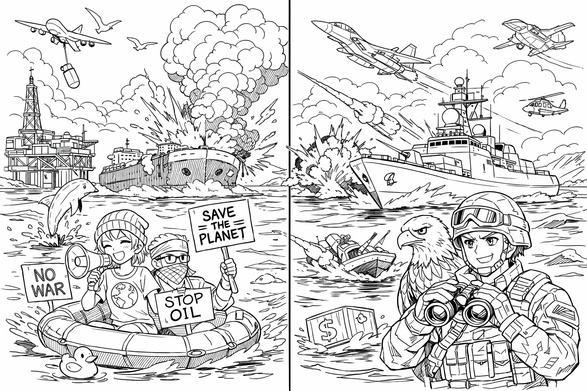
Whoa! It's a geopolitical smackdown in the Strait of Hormuz! Two ships get tagged like they just ran through an activist rally. Talk about flexing some military-industrial complex muscles, right? This is high-stakes drama on water, with corporate interests sinking faster than a lead protest sign. Ironically, the very forces of capitalism are lining up their warships to protect their pipelines. It's like environmentalism meets an action thriller — all at the taxpayers' expense, naturally.
Rightist
Hold onto your hats! We've got a sea battle royale in the Strait of Hormuz. Two ships get hit, and it's like the ultimate naval showdown! These are freedom's waters, and nobody navigates them without playing by the rules. It's a clear stand-your-ground moment, pushing back against rogue states and preserving global trade routes. It's a firm reminder that strength keeps the peace, and we're pulling no punches. When the world needs stability, we're the team to call!
 | author: | Unknown | institution: | NPR | ¿porque no los dos? |
| tl;dr | Two ships were reportedly attacked in the Strait of Hormuz, following incidents that heightened tensions in the region. The UK military identified the attacks, while both Iran and the US have made conflicting claims about the responsibility. The situation escalates existing geopolitical tensions, particularly between the US and Iran. | ||||
| deeper: | The article provides a balanced overview of the incident, with input from both UK military sources and different perspectives from Iran and the US. The language remains neutral, not showing evident favoritism towards any party. The coverage is comprehensive, reflecting NPR's reputation for detailed reporting. However, some bias might exist in the framing of Iran's statements. | ||||
media: | |||||
| gen: 2026/07/06:17:04 in 1 min 2.7 sec (old)bias: 3 (Center) |
| type: newsquality: 85 |
| pts: 0 |

 | author: | Unknown | institution: | NPR | ¿porque no los dos? |
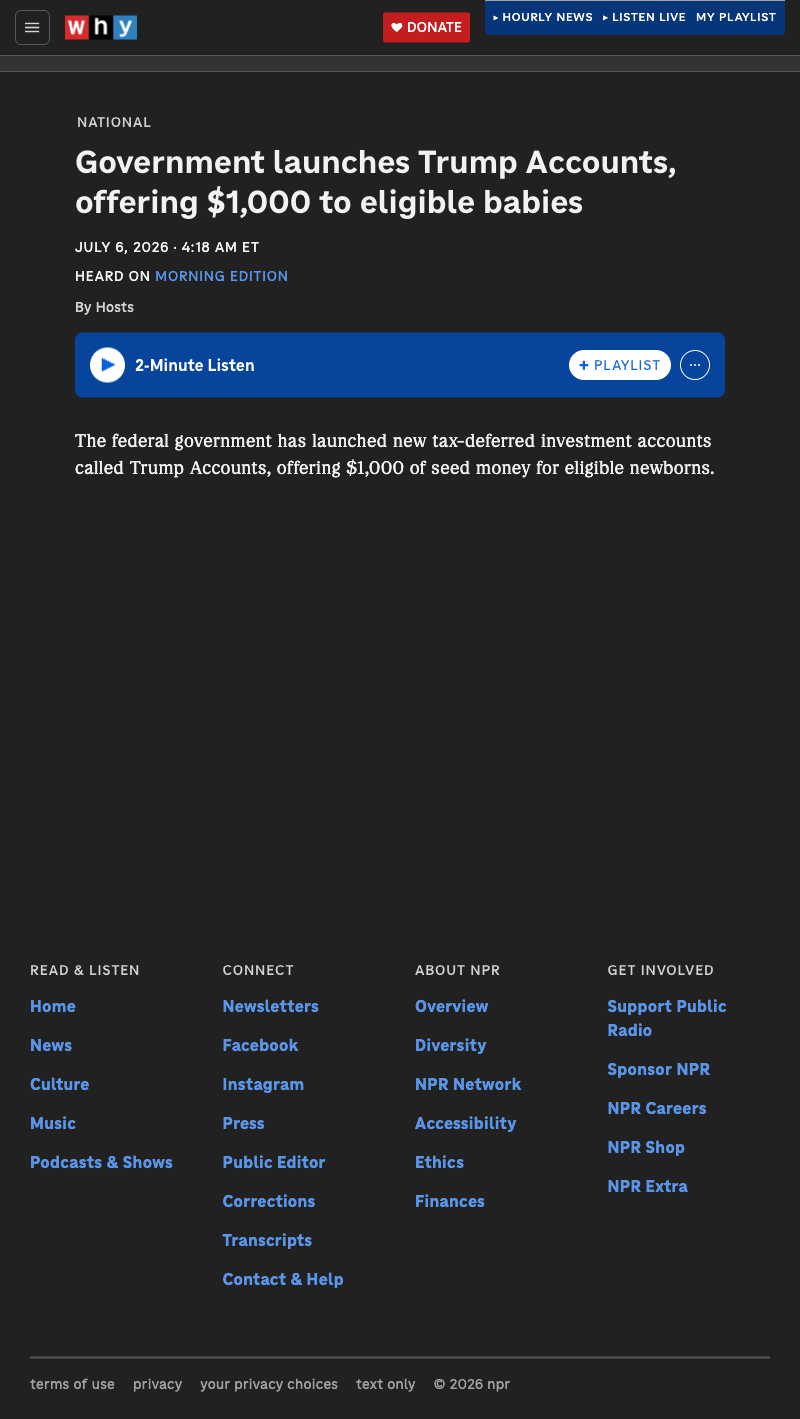
| tl;dr | The federal government has launched tax-deferred investment accounts called 'Trump Accounts,' providing $1,000 in seed money to eligible newborns. | ||||
| deeper: | The article provides a straightforward report on a new government initiative without clear bias. It presents the information factually without political commentary, maintaining a neutral tone. The quality is high, typical of NPR's standard, though lacking in-depth analysis or details. | ||||
media: | |||||
| gen: 2026/07/06:16:53 in 1 min 6.4 sec (old)bias: 4 (Center) |
| type: newsquality: 85 |
| pts: 0 |
 | author: | Unknown | institution: | NPR | ¿porque no los dos? |
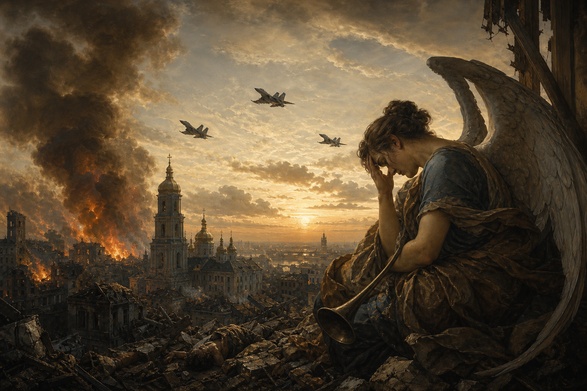
| tl;dr | The article reports on a Russian missile and drone attack on Ukraine's capital, Kyiv, resulting in at least 12 deaths. It details the event's impact on residential buildings and the ongoing conflict between Russia and Ukraine. The piece covers international reactions and implications for global peace and security. | ||||
| deeper: | The article provides a straightforward account of the event, citing direct information about the missile attack and its consequences. While the language is generally neutral, it is evident that the article leans slightly towards highlighting the adverse impacts of the Russian actions, which is appropriate given the context. The structure is clear, and the content is well-organized, indicating high journalistic standards. | ||||
media: | |||||
| gen: 2026/07/03:21:19 in 1 min 3.8 sec (old)bias: 4 (Center-Left) |
| type: newsquality: 85 |
| pts: 0 |
 | author: | Unknown | institution: | NPR | ¿porque no los dos? |
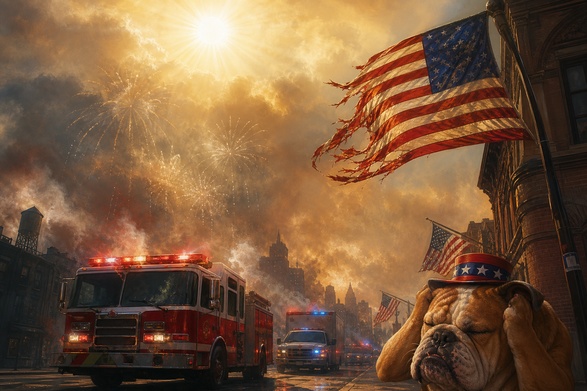
| tl;dr | The article discusses potential disruptions to July 4th events due to a heat wave and reports on Russian strikes on Ukraine's capital. Additional topics include concerns about social media's impact on youth mental health and governmental actions in response. | ||||
| deeper: | The article covers a range of topics, including climate events and international conflicts, with a focus on factual reporting. The choice of topics such as climate change and the impacts of war on Ukraine may slightly lean towards a center-left perspective, emphasizing social and environmental issues. The quality is high due to its clear reporting and credible sourcing. | ||||
media: | |||||
| gen: 2025/04/21:14:40 in 40.5 sec (old)bias: 4 (Center) |
| type: newsquality: 85 |
| pts: 0 |

 | author: | Unknown | institution: | NPR | ¿porque no los dos? |
| tl;dr | The article discusses Venezuela's presidential elections and the U.S. support for the opposition leader, Juan Guaidó. The piece highlights the complexities of the political situation and the international implications of U.S. involvement. | ||||
| deeper: | The article provides a balanced perspective on the situation in Venezuela, offering multiple viewpoints, including those of the U.S. and Venezuelan government. It avoids sensationalism and is well-researched. The score reflects a slight bias towards the official U.S. policy by detailing its support for Guaidó but remains largely objective. | ||||
media: | |||||
| gen: 2025/02/22:06:35 in 25.9 sec (old)bias: 5 (Center-Left) |
| type: lolsquality: 85 |
| pts: 0 |

 | author: | Unknown | institution: | NPR | ¿porque no los dos? |
| tl;dr | Panama has sent 97 U.S. deportees to a migrant camp after they refused repatriation. This development is part of a broader context involving policies from the Trump administration which led to the deportation of migrants to Panama, now facing conditions in jungle camps. | ||||
| deeper: | The article presents a straightforward report, with moderate bias possibly due to the inclusion of Trump administration policies in the context. NPR and The New York Times are generally considered to lean slightly left, which might influence the narrative surrounding administrative actions. The quality score is relatively high, reflecting clear reporting and comprehensive coverage. | ||||
media: No Media Preview | |||||
| gen: 2024/07/05:16:58 in 29.3 sec (old)bias: 2 (Center) |
| type: lolsquality: 85 |
| pts: 0 |

 | author: | Unknown | institution: | NPR | ¿porque no los dos? |
| tl;dr | Most evacuation orders for a Northern California wildfire have been lifted, but the fire continues to burn. Containment of the blaze, located in Butte County's Oroville, has increased. Officials warn of high temperatures and gusty winds that could exacerbate the situation. The fire has destroyed four structures and threatened thousands more, with firefighters reporting no injuries. | ||||
| deeper: | The article, published by NPR and reported by the Associated Press, focuses on factual reporting of the wildfire situation without presenting strong opinions or evident bias. It includes quotes from local officials and fire department representatives, ensuring the coverage is balanced and informative. The article's quality is high due to the comprehensive inclusion of relevant details, regional context, and official statements, contributing to a well-rounded report. There is no author name mentioned, as it is credited to the Associated Press. | ||||
media: | |||||
| gen: 2024/06/16:07:41 in 35.5 sec (old)bias: 6 (Left) |
| type: lolsquality: 78 |
| pts: 0 |

 | author: | Unknown | institution: | NPR | ¿porque no los dos? |
| tl;dr | The article examines the cultural and political significance of apparel sold at Trump rallies, such as t-shirts with provocative slogans. It explores the motivations behind purchasing and wearing these items and comments on the broader implications on political discourse and civility. | ||||
| deeper: | The article is well-researched and provides a deep dive into the social and psychological aspects of political rally apparel. However, it leans into a critical perspective of Trump supporters and their behavior, which indicates a leftward bias. The quality is high because of comprehensive reporting and a nuanced examination of the topic, including expert opinions and historical context. | ||||
media: | |||||
You made it to the bottom. Now dance!


owned and operated by: RPN Omnigalactic Insitutution as of: 2026/10/15: 09:53 in 0 ms
Enter Code
Login with Account