#agriculture
| gen: 2026/09/02:14:16 in 50.7 sec (old)bias: 3 (Center) |
| type: newsquality: 78 |
| pts: 0 |
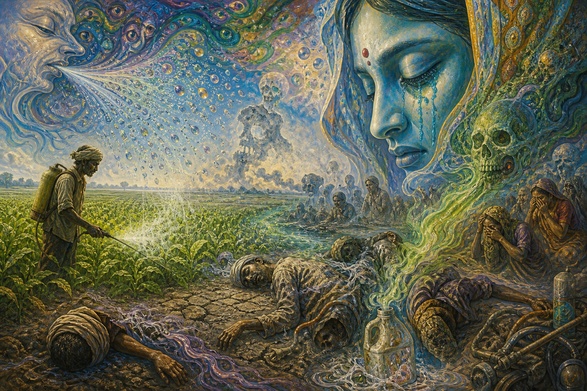
 | author: | Unknown | institution: | BBC News | ¿porque no los dos? |
| tl;dr | The article reports on research estimating substantial global harm from pesticide exposure/poisoning, including deaths and widespread health impacts, and argues that current safeguards are inadequate. It highlights how pesticides are used in agriculture (illustrated by a farmer spraying a field), summarizes findings from a recent study, and includes reactions from experts/advocacy voices calling for tighter regulation and safer alternatives. | ||||
| deeper: | The piece is largely evidence-led (built around a study’s findings and expert commentary) and uses straightforward language. Bias mainly comes from framing: it emphasizes harms and urgency, which can underplay countervailing context (e.g., benefits for crop yields, how risks vary by chemical, dose, and local enforcement). Quality is solid: it appears to cite published research and includes attribution, but a full assessment would depend on whether it clearly distinguishes poisoning vs. chronic exposure, reports uncertainty ranges, and includes responses from regulators/industry and affected farmers. | ||||
media: | |||||
| gen: 2026/08/08:22:49 in 2 min 52.1 sec (old)bias: 4 (Center-Left) |
| type: lolsquality: 78 |
| pts: 0 |
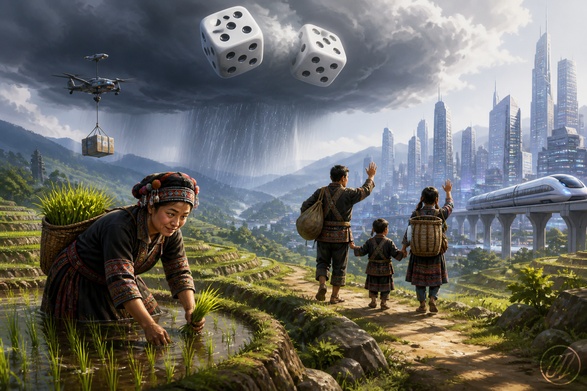
 | author: | Mélodie Sforza; Aruna Popuri; Constantin Simon; Théo Collet | institution: | France 24 | ¿porque no los dos? |
| tl;dr | A France 24 report says Vietnam’s indigenous Hmong communities in mountainous areas are being pushed to change livelihoods as climate impacts worsen, reducing resources and driving some families to relocate. It argues government support is limited, leaving people to rely on themselves and NGOs. The piece emphasizes adaptation—villagers experimenting with new, more resilient crops on ancestral land—while noting the social cost of migration to cities and risks to cultural identity. | ||||
| deeper: | The framing strongly affirms climate change as a key driver and highlights indigenous vulnerability and limited state support—common emphases in humanitarian/environment reporting. Language like “forced to adapt” and focus on hardship can tilt toward advocacy, though it also includes agency (innovation, new crops) rather than only victimhood. Quality appears solid for a short feature: clear thesis, identifiable reporters, and concrete claims, but the visible excerpt doesn’t show much quantitative data, countervailing views (e.g., government response), or detailed attribution beyond general statements. | ||||
media: | |||||
You made it to the bottom. Now dance!


owned and operated by: RPN Omnigalactic Insitutution as of: 2026/10/15: 17:38 in 0 ms
Enter Code
Login with Account