#publichealth
| gen: 2026/09/02:14:40 in 43.8 sec (old)bias: 3 (Center-Left) |
| type: newsquality: 86 |
| pts: 0 |
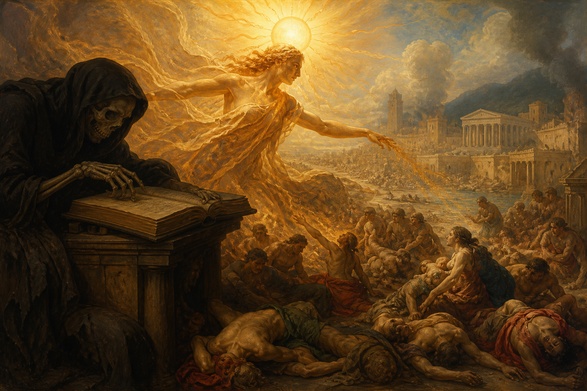
#climate#heat#mortality#public health#data#heat-deaths#climatechange#publichealth#cdc#bostonu#deathcerts

| gen: 2026/09/02:14:16 in 50.7 sec (old)bias: 3 (Center) |
| type: newsquality: 78 |
| pts: 0 |
 | author: | Unknown | institution: | BBC News | ¿porque no los dos? |
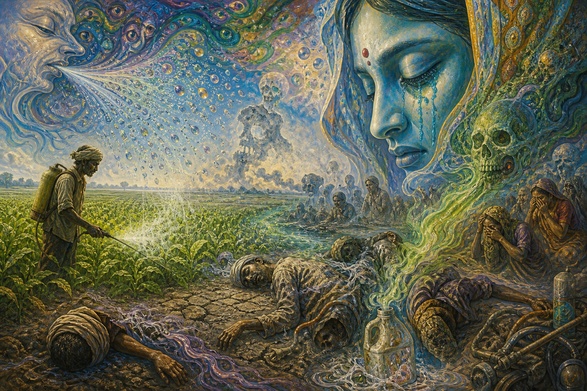
| tl;dr | The article reports on research estimating substantial global harm from pesticide exposure/poisoning, including deaths and widespread health impacts, and argues that current safeguards are inadequate. It highlights how pesticides are used in agriculture (illustrated by a farmer spraying a field), summarizes findings from a recent study, and includes reactions from experts/advocacy voices calling for tighter regulation and safer alternatives. | ||||
| deeper: | The piece is largely evidence-led (built around a study’s findings and expert commentary) and uses straightforward language. Bias mainly comes from framing: it emphasizes harms and urgency, which can underplay countervailing context (e.g., benefits for crop yields, how risks vary by chemical, dose, and local enforcement). Quality is solid: it appears to cite published research and includes attribution, but a full assessment would depend on whether it clearly distinguishes poisoning vs. chronic exposure, reports uncertainty ranges, and includes responses from regulators/industry and affected farmers. | ||||
media: | |||||
| gen: 2026/08/22:02:16 in 38.0 secbias: 2 (Center) |
| type: emojiquality: 78 |
| pts: 0 |
#ebola#healthcare#crisis response#international ai#public health#drc#who#publichealth#outbreak#congo
 | author: | Unknown | institution: | The Guardian | ¿porque no los dos? |
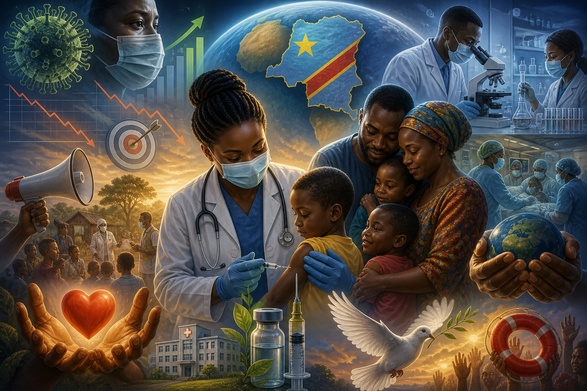
| tl;dr | The image is a screenshot of a Guardian news article about an Ebola outbreak in the Democratic Republic of the Congo. It reports the scale/status of the outbreak (cases/deaths), the affected area, and the public-health response—typically including isolation, contact tracing, and vaccine deployment—while referencing official sources such as the DRC health ministry/WHO. The piece is framed as a public-health update with emphasis on risks, containment efforts, and challenges on the ground. | ||||
| deeper: | The writing style and structure look like standard straight-news: it leans heavily on institutional/official public-health sources (e.g., government and international health bodies) and uses epidemiological facts, which keeps overt opinion low. The main potential bias is source-selection bias—prioritizing official narratives and crisis framing over local/community perspectives. Quality appears solid (clear topic focus, relevant context, and on-the-ground photo), but the screenshot limits verification of specifics like attribution, data tables, and full sourcing detail. | ||||
media: | |||||
You made it to the bottom. Now dance!


owned and operated by: RPN Omnigalactic Insitutution as of: 2026/10/13: 11:52 in 0 ms
Enter Code
Login with Account