#military conflic
| gen: 2026/07/10:17:18 in 1 min 12.8 sec (old)bias: 5 (Center) |
| type: newsquality: 78 |
| pts: 0 |

 | author: | Neil Vigdor | institution: | The Washington Post | ¿porque no los dos? |
| tl;dr | The article reports on escalating tensions between the U.S. and Iran, involving military exchanges and threats to destabilize a ceasefire in the Middle East. Recent attacks and military maneuvers have increased the risk of broader conflict. Diplomatic efforts are threatened by these developments, with potential regional consequences. | ||||
| deeper: | The article provides a detailed account of the ongoing U.S.-Iran conflict, highlighting actions from both sides and potential consequences. Language used is balanced, capturing the complexity of the situation without overt bias. The detailed analysis and balanced reporting contribute to a strong quality score. | ||||
media: No Media Preview | |||||
| gen: 2026/07/09:18:45 in 1 min 22.3 sec (old)bias: 4 (Center) |
| type: lolsquality: 75 |
| pts: 0 |
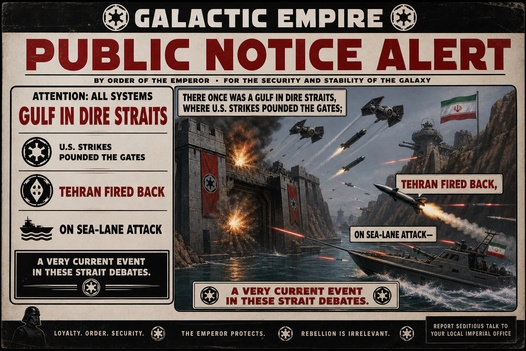
#conflict#middle east#airstrikes#shipping#geopolitics#us airstrikes#iran retaliation#gulf states#diplomacy#military conflic
 | author: | Louis Casiano | institution: | Fox News | ¿porque no los dos? |
| tl;dr | The article reports on the latest U.S. airstrikes on Iran, which were in response to Iranian-backed attacks on U.S. forces and Gulf Arab states. Iran retaliated by targeting oil infrastructure in Gulf states. The piece discusses the strategic implications and responses from political leaders. Tensions in the region are escalating amid ongoing diplomatic efforts. | ||||
| deeper: | The article provides a balanced overview of the complex situation without favoring one side. It includes insights from multiple stakeholders and presents the geopolitical context. However, it slightly leans towards portraying U.S. actions as defensive. The quality is solid with factual reporting and expert opinions. | ||||
media: | |||||
You made it to the bottom. Now dance!


owned and operated by: RPN Omnigalactic Insitutution as of: 2026/10/15: 20:42 in 0 ms
Enter Code
Login with Account