#diplomacy
| gen: 2026/09/24:02:27 in 28.2 sec (old)bias: 3 (Center) |
| type: newsquality: 70 |
| pts: 0 |
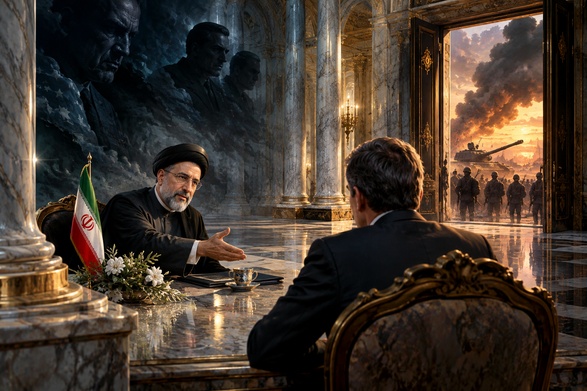
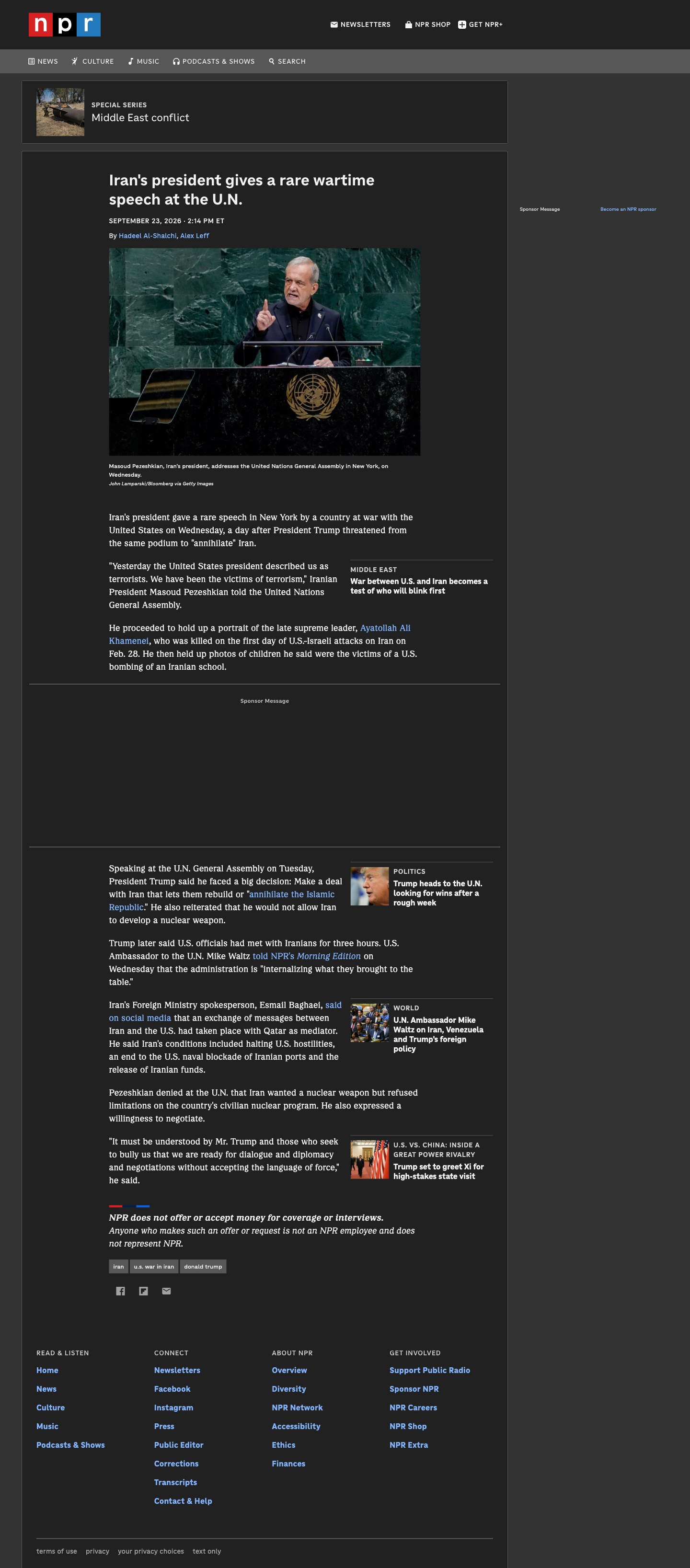 | author: | Hadeel Al-Shalchi, Alex Leff | institution: | NPR | ¿porque no los dos? |
| tl;dr | The article reports that Iranian President Masoud Pezeshkian addressed the United Nations during a war with the United States, criticizing U.S. attacks while expressing willingness to negotiate. It contrasts his remarks with President Trump’s threat to annihilate the Islamic Republic and his insistence that Iran not develop nuclear weapons. U.S. and Iranian officials describe diplomatic exchanges mediated by Qatar. Iran seeks an end to hostilities and a naval blockade, release of funds, and protection of its civilian nuclear program. | ||||
| deeper: | The report quotes both governments and generally distinguishes officials’ claims from established facts. Its opening emphasizes Trump’s threat and Iranian suffering, giving Iran’s perspective some emotional prominence. However, it also includes U.S. nuclear concerns and Iran’s refusal of restrictions, without clearly endorsing a political ideology. Named sources and links strengthen transparency. Limited independent scrutiny of wartime claims and little historical or nuclear-monitoring context weaken the reporting. The screenshots alone cannot establish the authenticity of the page or verify its consequential factual claims. | ||||
media: | |||||
| gen: 2026/09/24:02:24 in 33.9 sec (old)bias: 1 (Center) |
| type: newsquality: 55 |
| pts: 0 |
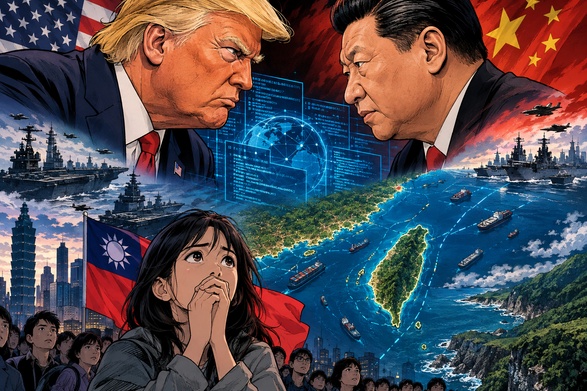
#diplomacy#china#taiwan#cybersecurity#ai#donald trump#xi jinping#rush doshi#terry gross#united states po
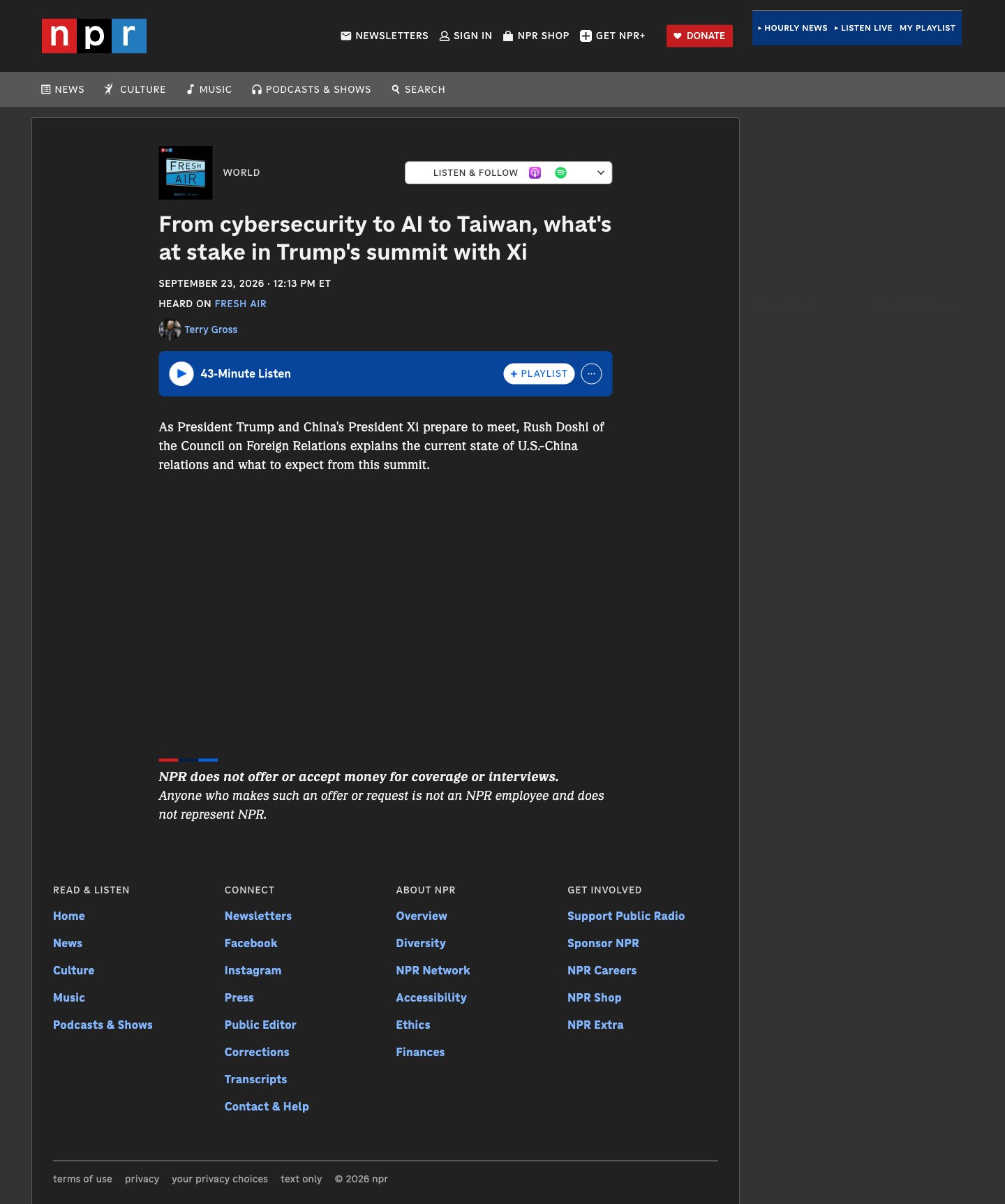 | author: | Terry Gross | institution: | NPR | ¿porque no los dos? |
| tl;dr | The page introduces a Fresh Air interview hosted by Terry Gross with Rush Doshi of the Council on Foreign Relations about U.S.–China relations ahead of a planned Trump–Xi summit. The headline highlights cybersecurity, artificial intelligence, and Taiwan. Only a brief introduction and a 43-minute audio player are visible; the interview’s arguments, evidence, and predictions cannot be assessed from these images. | ||||
| deeper: | The visible headline and introduction use neutral language without praising or attacking either leader or promoting a political position. The guest and his affiliation are clearly identified. However, the page provides no transcript, supporting evidence, or substantive policy explanation. These scores apply only to the visible introduction, not the unavailable audio; the screenshot alone also cannot establish authenticity or verify the summit details. | ||||
media: | |||||
| gen: 2026/09/24:02:21 in 31.7 sec (old)bias: 4 (Center) |
| type: newsquality: 56 |
| pts: 0 |
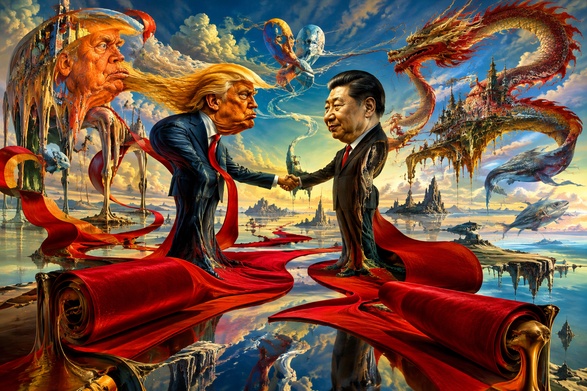
#diplomacy#china#usa#trade#politics#donald trump#xi jinping#united states#state visit#trade war backup
 | author: | FRANCE 24 with AFP | institution: | FRANCE 24 | ¿porque no los dos? |
| tl;dr | The article reports that Trump personally welcomed Xi Jinping for a US state visit focused on trade, AI and Iran. It says a trade truce has been extended, while expectations for major breakthroughs remain low. The coverage contrasts elaborate diplomatic ceremonies with Republican criticism of Xi and concerns over alleged Chinese intelligence assistance to Iran. It also describes potential AI cooperation and Trump's domestic political difficulties. The screenshots attribute the report to France 24 with AFP and date it September 24, 2026; its authenticity and claims cannot be independently established from the images. | ||||
| deeper: | The report includes Trump's remarks, a named analyst and Republican criticism, without clearly endorsing a left- or right-wing agenda. However, repeated emphasis on 'pageantry,' the 'Oppressive dictator' subheading and speculation about distracting from domestic problems add a skeptical slant. Chinese perspectives are largely absent. Attribution and specific details help, but claims about historic polling lows and their causes lack supporting figures. The dramatic AI-extinction framing lacks nuance. Some article text is obscured, and the screenshots alone cannot authenticate the report or verify its substantial geopolitical claims. | ||||
media: | |||||
| gen: 2026/09/20:20:34 in 18.0 sec (old)bias: 1 (Center) |
| type: newsquality: 40 |
| pts: 0 |
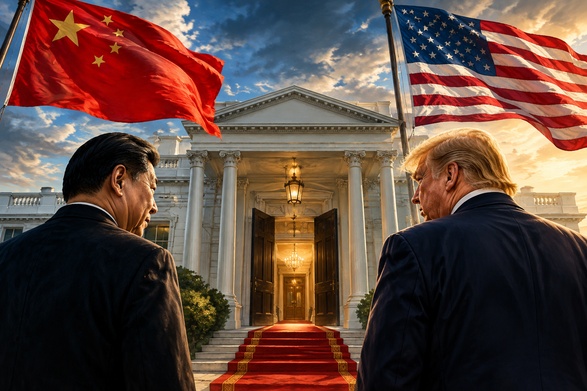
 | author: | Debbie Elliott, Emily Feng | institution: | NPR | ¿porque no los dos? |
| tl;dr | The screenshot presents a brief preview of an anticipated White House summit between Chinese leader Xi Jinping and President Donald Trump. Dated September 20, 2026, it says Xi will arrive in the United States that week and promises to examine both leaders’ goals. The visible text does not actually describe those goals, provide supporting sources, or explain the summit’s agenda. | ||||
| deeper: | The visible wording treats both leaders neutrally and gives neither side preferential treatment. Calling the summit “important” adds mild emphasis, not clear political bias. Quality is limited by the extremely short excerpt: the headline promises expectations, but no substantive analysis, sourcing, or agenda appears. These scores apply only to the visible material, not any accompanying broadcast. The screenshot alone cannot establish the authenticity of the page or confirm the reported visit. | ||||
media: | |||||
| gen: 2026/09/18:18:48 in 37.0 secbias: 3 (Unknown) |
| type: colorquality: 45 |
| pts: 0 |
#politics#war#diplomacy#iran#trump#iran war#donald trump#barack obama#us presidency#national securit
Leftist
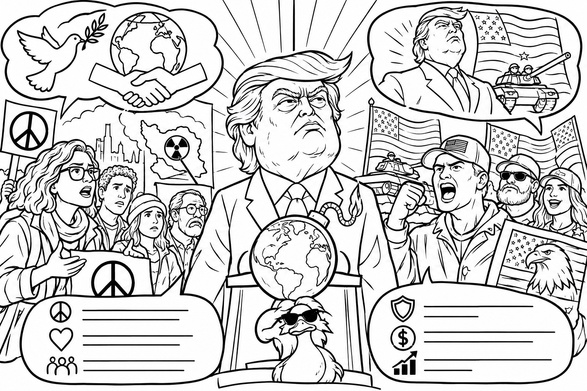
Yet another disastrous consequence of unchecked power. The Trump administration's aggressive stance on Iran risks not just regional peace but global stability. Diplomacy should always triumph over reckless showmanship. This isn't just about jeopardizing a political career; it's jeopardizing lives. When will we learn that war isn't the answer? We need leaders who prioritize humanity over hubris, fostering dialogue over division.
Rightist
This is a classic case of fearmongering from the left. The Trump administration is taking strong steps to ensure national security. Liberals may call it jeopardizing, but it's about protecting American interests and showing strength against adversaries like Iran. Sometimes, peace requires power. It's time to stop apologizing for America and start safeguarding our future. Trump’s decisive actions show the world we won’t back down.
 | author: | Unknown | institution: | France 24 | ¿porque no los dos? |
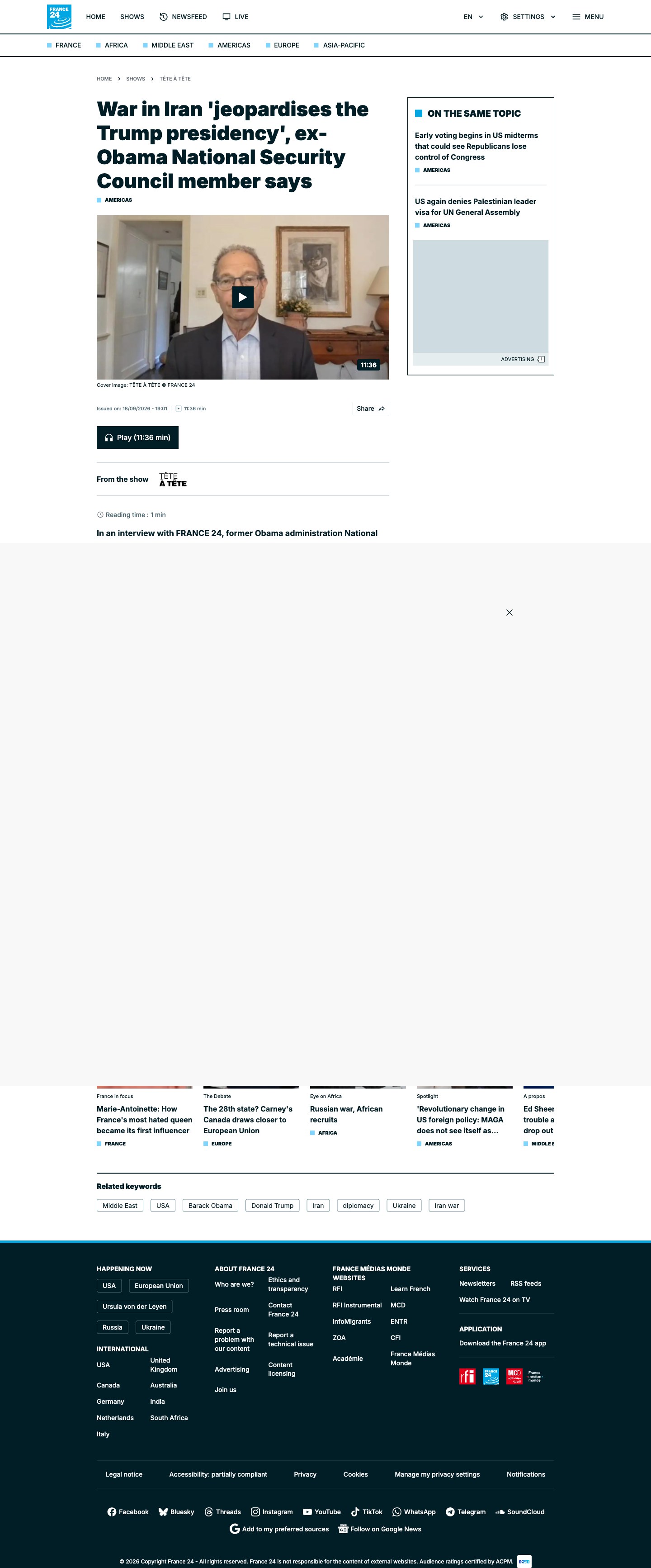
| tl;dr | The visible France 24 page previews an interview with a former Obama administration National Security Council member who argues that war in Iran jeopardises Donald Trump’s presidency. The headline presents this as the guest’s assessment, not an established outcome. Most of the article text is obscured, and the interview itself cannot be assessed from these screenshots. | ||||
| deeper: | The headline foregrounds a dramatic prediction from one former administration official, giving the visible coverage a narrow perspective. However, quotation marks and explicit attribution distinguish opinion from fact. Criticism of Trump alone does not establish a left–right position. The page supplies publication details and an interview format, but the obscured text prevents evaluation of evidence, questioning, context or competing views. The quality score applies only to the material visible here. | ||||
media: | |||||
| gen: 2026/09/14:19:34 in 33.1 sec (old)bias: 3 (Center) |
| type: newsquality: 65 |
| pts: 0 |
 | author: | Diaa Hadid | institution: | NPR | ¿porque no los dos? |
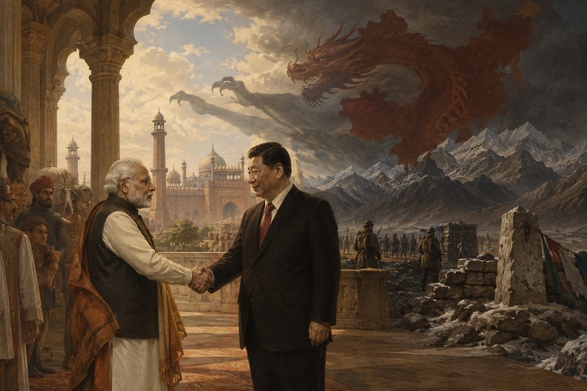
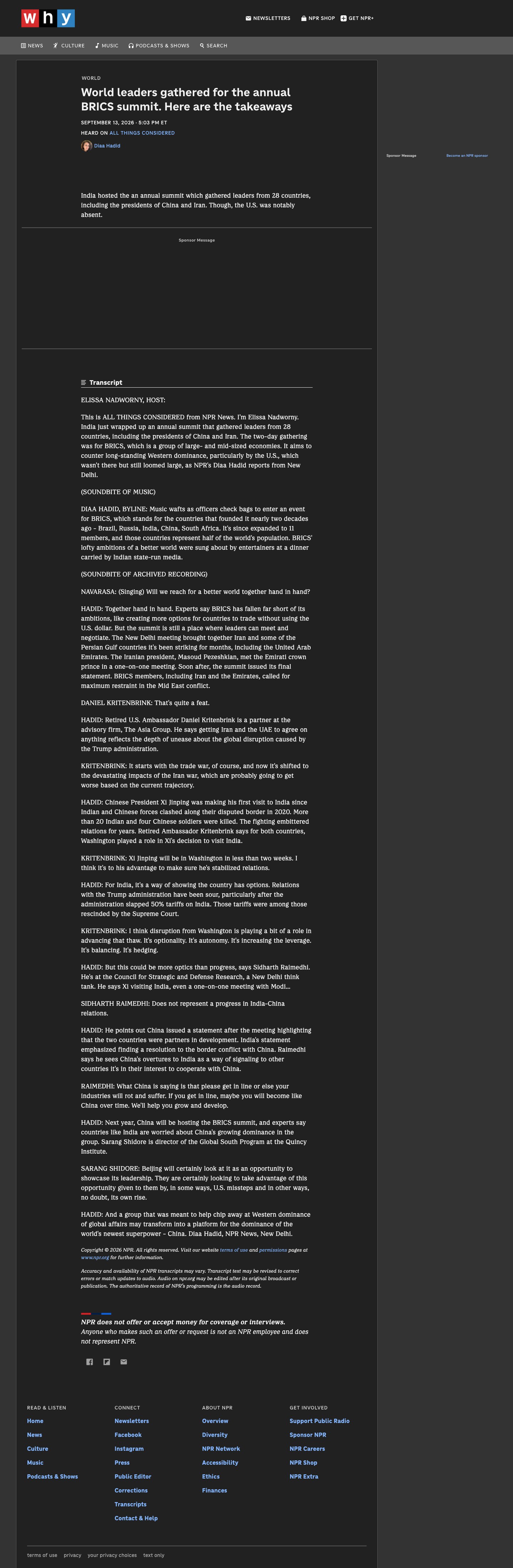
| tl;dr | The article reports that India hosted a BRICS summit focused on diplomacy amid trade tensions and Middle East conflict. It highlights an Iran–UAE meeting, renewed India–China engagement, and calls for restraint. Analysts suggest U.S. policies are encouraging countries to seek alternatives, while unresolved border disputes limit India–China cooperation. The report concludes that China could increasingly dominate BRICS, despite the group’s limited progress toward goals such as reducing reliance on the U.S. dollar. | ||||
| deeper: | The report includes named experts, historical context, and skepticism about BRICS’ achievements. Its geopolitical outlook does not clearly favor a left- or right-wing agenda. However, repeated emphasis on U.S. disruption and China’s dominance narrows the framing, with little direct response from those governments. Some dramatic interpretations receive limited scrutiny. There are factual imprecisions: South Africa joined later rather than founding the original group, and the established Indian death toll in the 2020 border clash was 20, not more than 20. The screenshot alone cannot authenticate its major event claims. | ||||
media: | |||||
| gen: 2026/09/14:19:31 in 34.6 sec (old)bias: 1 (Center) |
| type: newsquality: 45 |
| pts: 0 |
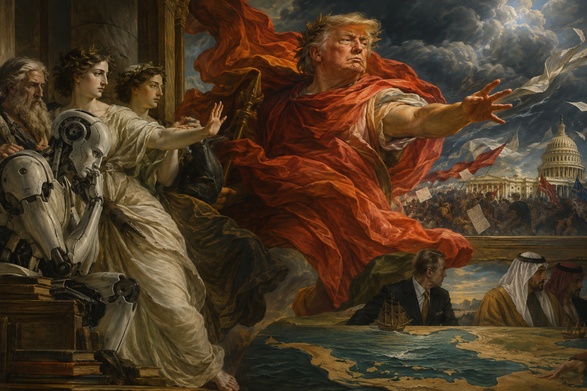
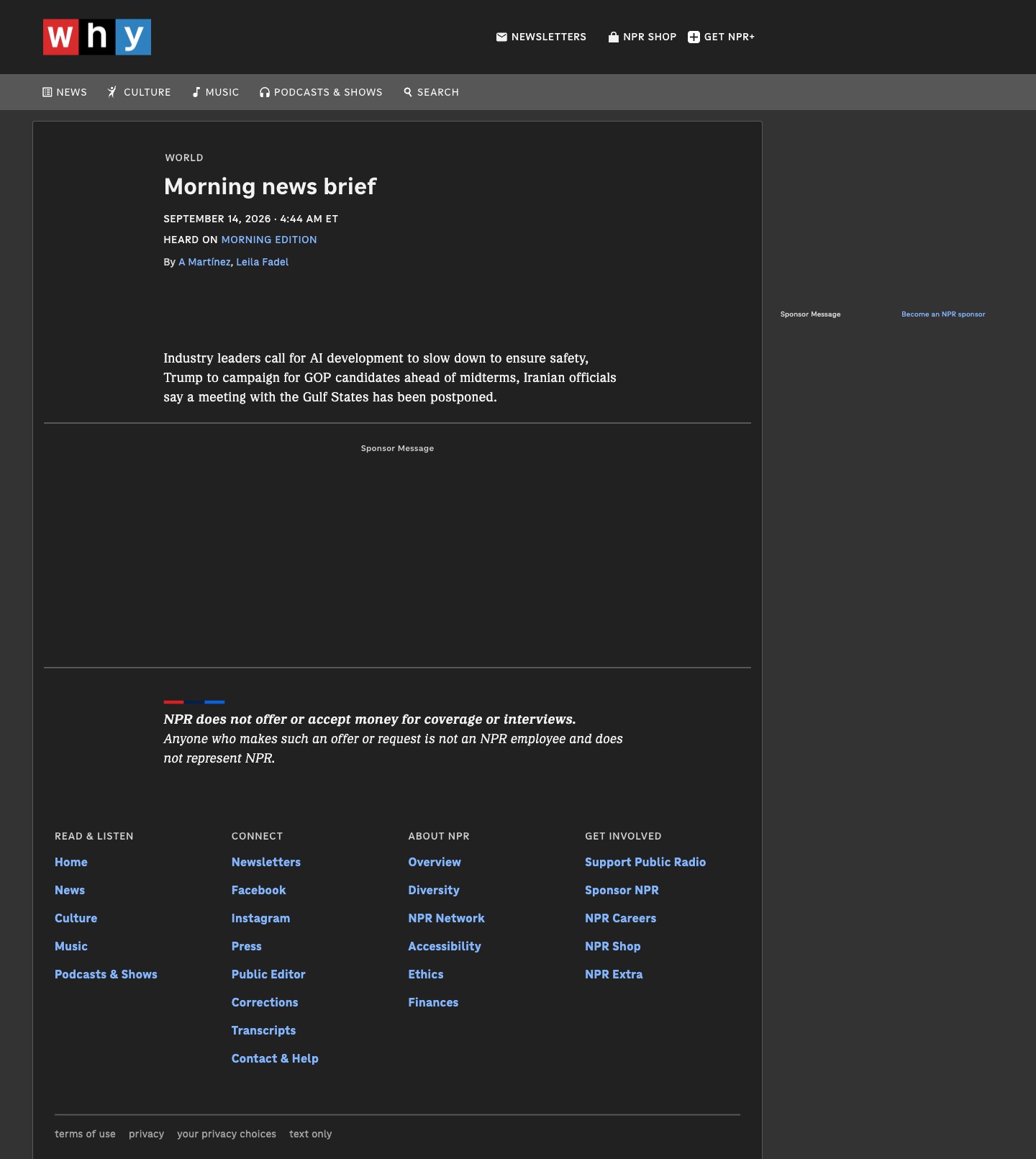 | author: | A Martínez, Leila Fadel | institution: | NPR | ¿porque no los dos? |
| tl;dr | The visible Morning Edition brief lists three developments: industry leaders calling for slower AI development to address safety, Donald Trump planning to campaign for Republican candidates ahead of the midterms, and Iranian officials reporting a postponed meeting with Gulf states. The page provides only a short overview, without detailed reporting or a transcript. | ||||
| deeper: | The wording is restrained and shows no clear partisan preference. Calls to slow AI development are attributed to industry leaders rather than endorsed, and the political and diplomatic items are presented neutrally. However, the visible text names no industry leaders or Iranian officials and supplies no evidence, explanation, or competing perspectives. It works as a headline roundup, but its brevity limits verification and depth. These scores apply only to the material shown. | ||||
media: | |||||
| gen: 2026/09/13:15:25 in 41.5 sec (old)bias: 3 (Center) |
| type: newsquality: 57 |
| pts: 0 |
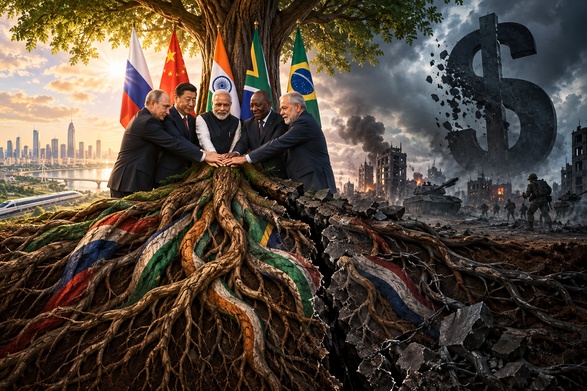
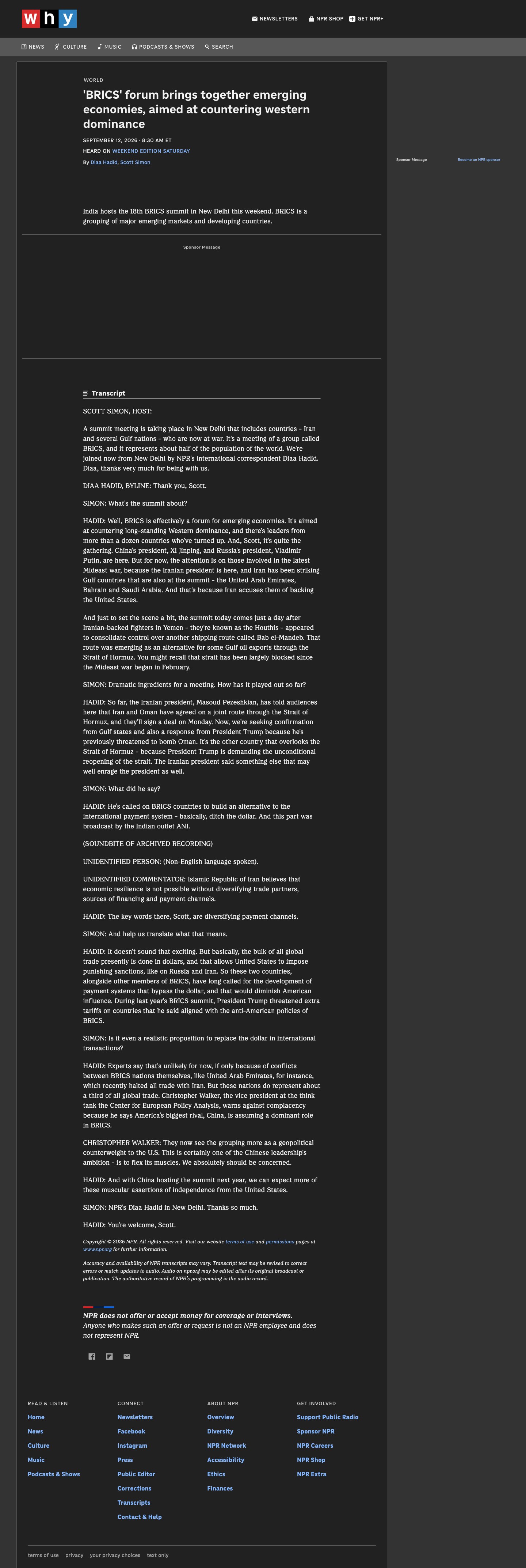 | author: | Diaa Hadid, Scott Simon | institution: | NPR | ¿porque no los dos? |
| tl;dr | The article describes a BRICS summit in New Delhi focused on Middle East conflict and efforts to reduce reliance on the U.S. dollar. It reports Iran’s announcement of a proposed shipping arrangement with Oman and calls for alternative payment channels. Internal disputes among BRICS members are presented as obstacles to replacing the dollar, while an analyst warns of China’s growing influence. Significant claims about warfare, shipping disruptions and U.S. threats are presented but cannot be independently verified from the screenshots. | ||||
| deeper: | The report explains financial issues accessibly, attributes Iran’s proposed deal and acknowledges that confirmation is pending. However, major claims about attacks, trade restrictions and threats to bomb Oman lack supporting evidence in the text. Its U.S.-centered framing and closing warning about China favor a security-threat perspective, without a clear left/right agenda. Phrases such as “enrage the president” introduce speculation. One analyst supplies the main outside assessment, and “ditch the dollar” oversimplifies the quoted call to diversify payment channels. | ||||
media: | |||||
| gen: 2026/09/11:15:43 in 31.8 sec (old)bias: 3 (Center) |
| type: newsquality: 68 |
| pts: 0 |
#europe#politics#elections#extremism#diplomacy#luc frieden#luxembourg#european union#ukraine#united states#diplomacy ha
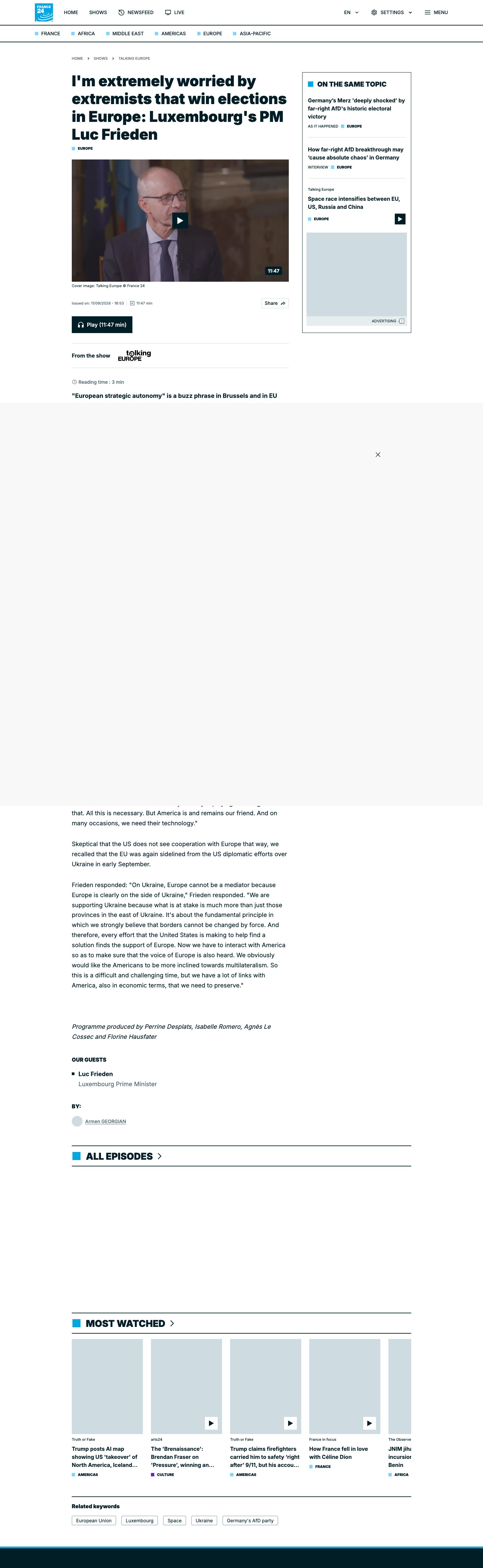 | author: | Armen Georgian | institution: | France 24 | ¿porque no los dos? |
| tl;dr | Luxembourg Prime Minister Luc Frieden warns about extremists winning European elections. In the visible interview excerpts, he supports Ukraine, argues that borders must not be changed by force, and advocates preserving economic and technological ties with the United States. The interviewer questions whether Washington treats Europe as a genuine diplomatic partner. Frieden calls for Europe's voice to be heard while maintaining transatlantic cooperation. Much of the article's middle section is obscured in the supplied images. | ||||
| deeper: | The visible text emphasizes European cooperation, multilateral diplomacy and transatlantic ties—positions spanning the political center. The emotionally charged headline is clearly attributed to Frieden rather than presented as the reporter's judgment. Direct quotations and a skeptical question provide useful firsthand reporting, but the excerpt largely conveys one leader's perspective without independent corroboration. A repeated attribution suggests minor editing weakness. These scores are provisional because substantial text is obscured and the video cannot be assessed from screenshots. | ||||
media: | |||||
| gen: 2026/09/09:15:24 in 43.9 sec (old)bias: 4 (Center-Left) |
| type: newsquality: 72 |
| pts: 0 |

 | author: | Unknown | institution: | France 24 | ¿porque no los dos? |
| tl;dr | A France 24 report says 12 countries—including Britain, Canada and France—plan to sanction trade with Israeli settlements in the West Bank, citing rising attacks by settlers against Palestinians in the occupied territory. The page includes a short video clip and a brief summary paragraph framing the move as a response to increased settler violence. | ||||
| deeper: | The language is mostly straightforward and event-focused, but it frames the rationale primarily through “increasing attacks by settlers against Palestinians” and uses the term “occupied territory,” which signals a particular legal/political framing and may omit Israeli government/settler arguments or counterclaims in the visible excerpt. Quality is solid for a headline brief from a major outlet, but the screenshot lacks details: which 12 countries, what specific sanctions, definitions of “settlements,” evidence for the increase in attacks, and any responses from Israel or affected businesses. | ||||
media: | |||||
| gen: 2026/09/08:17:08 in 41.3 sec (old)bias: 4 (Center) |
| type: newsquality: 72 |
| pts: 0 |

 | author: | Unknown | institution: | France 24 | ¿porque no los dos? |
| tl;dr | A France 24 “live” Middle East update reports that Israel plans to close the British consulate in Jerusalem, framing the move as a response to UK sanctions related to Israeli settlements. The page features an AFP photo of an Israeli soldier near a newly established settlement outpost near Beit Sahur, labeled as in the occupied West Bank, reinforcing the settlement-focused context of the story. | ||||
| deeper: | The headline is largely straight, cause-and-effect framing (“after sanctions”), but the choice of photo and caption language (“occupied West Bank,” “newly established … outpost”) foregrounds a specific legal/political framing that many governments and the UN use, while others contest parts of it—this can tilt perception without being overtly polemical. Quality is solid for a breaking-news/live item (clear headline, timestamp, AFP image credit), but the provided excerpt lacks the article body, sourcing details, and competing quotes that would let readers fully assess claims and motives. | ||||
media: | |||||
| gen: 2026/09/08:17:05 in 55.9 sec (old)bias: 5 (Center-Left) |
| type: newsquality: 76 |
| pts: 0 |

 | author: | Lauren Frayer | institution: | NPR | ¿porque no los dos? |
| tl;dr | NPR reports that the U.K. will ban imports of goods produced in Israeli settlements in the occupied West Bank, with Foreign Secretary Ed Miliband accusing settler “terrorists” of carrying out “ethnic cleansing” of Palestinians. The story says Canada and France announced similar steps and notes other European countries restricting settlement trade. It includes U.S. reactions (noncommittal from Secretary of State Marco Rubio; criticism from Ambassador Mike Huckabee), Israeli retaliation threats from Foreign Minister Gideon Sa’ar, and Palestinian approval from Mahmoud Abbas. | ||||
| deeper: | The piece is largely straight news and includes multiple viewpoints (U.K., Israel, U.S., Palestinian leadership, U.K. opposition). However, it foregrounds highly charged claims (“ethnic cleansing,” “settler terrorists”) without showing the evidentiary basis, definitions, or independent corroboration in the excerpted sections, which can steer readers emotionally. It also gives limited concrete detail on the ban’s legal scope, enforcement, and trade magnitude. Still, attribution is clear, sourcing is specific (quotes, readout, joint statement), and the story is coherent and contextualized around the two‑state solution. | ||||
media: No Media Preview | |||||
| gen: 2026/09/07:05:27 in 30.1 sec (old)bias: 3 (Center) |
| type: newsquality: 78 |
| pts: 0 |
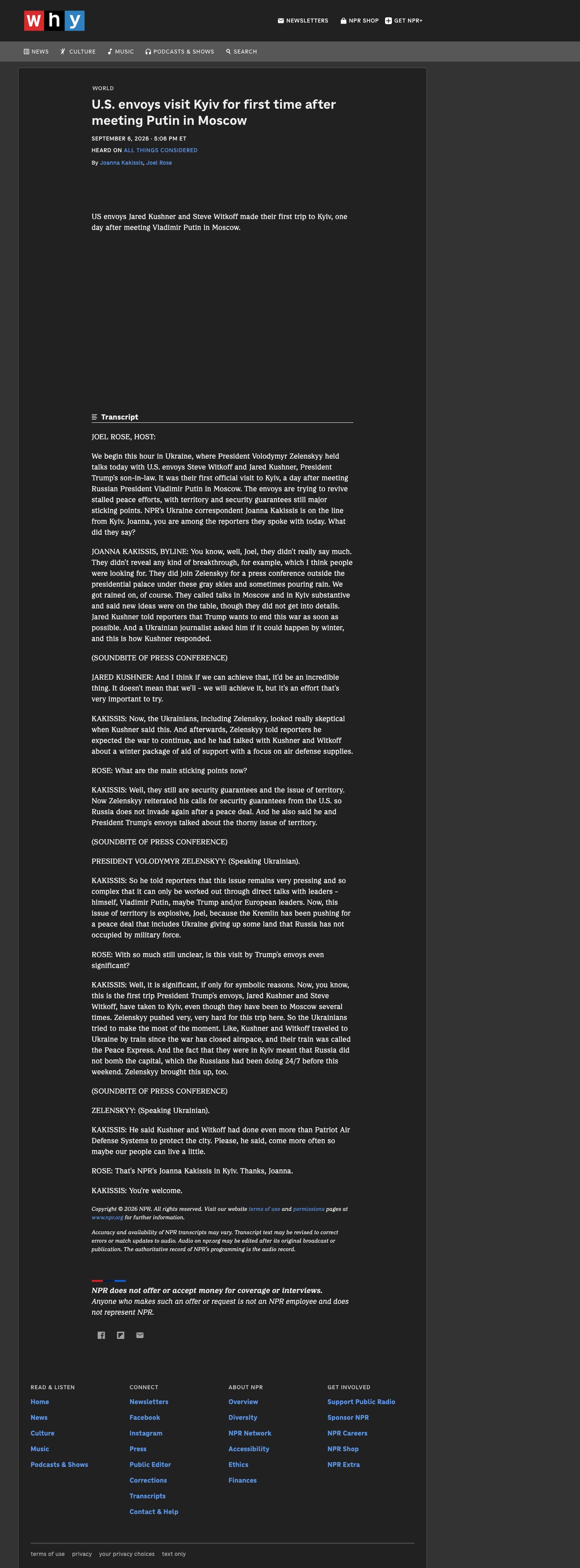 | author: | Joanna Kakissis, Joel Rose | institution: | NPR | ¿porque no los dos? |
| tl;dr | An NPR segment reports that U.S. envoys Jared Kushner and Steve Witkoff visited Kyiv for the first time, one day after meeting Vladimir Putin in Moscow, and held talks with President Volodymyr Zelenskyy. The envoys offered few specifics publicly, saying only that talks were “substantive” and that new ideas existed. Zelenskyy emphasized unresolved sticking points: U.S.-backed security guarantees to deter future Russian attacks and the territorial question, including claims Russia wants Ukraine to cede land beyond areas it controls. The visit is framed as symbolically important. | ||||
| deeper: | The piece is mostly straight reporting in transcript form, distinguishing between what was said publicly and what was not (“they didn’t really say much”). It includes direct quotes and clearly labels soundbites. Potential bias comes from limited space and sourcing: it leans heavily on the NPR correspondent’s on-scene interpretation and Ukrainian framing (skepticism, security needs) with little comparable Russian perspective or independent verification for claims like “bombing 24/7.” Overall quality is solid for a brief radio segment but lacks deeper context, data, and countervailing detail. | ||||
media: No Media Preview | |||||
| gen: 2026/09/01:15:51 in 33.8 sec (old)bias: 4 (Center) |
| type: newsquality: 70 |
| pts: 0 |
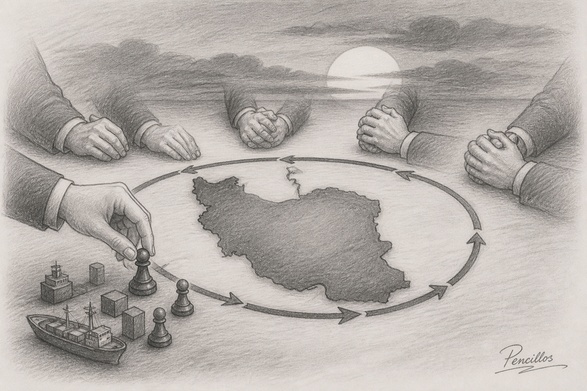
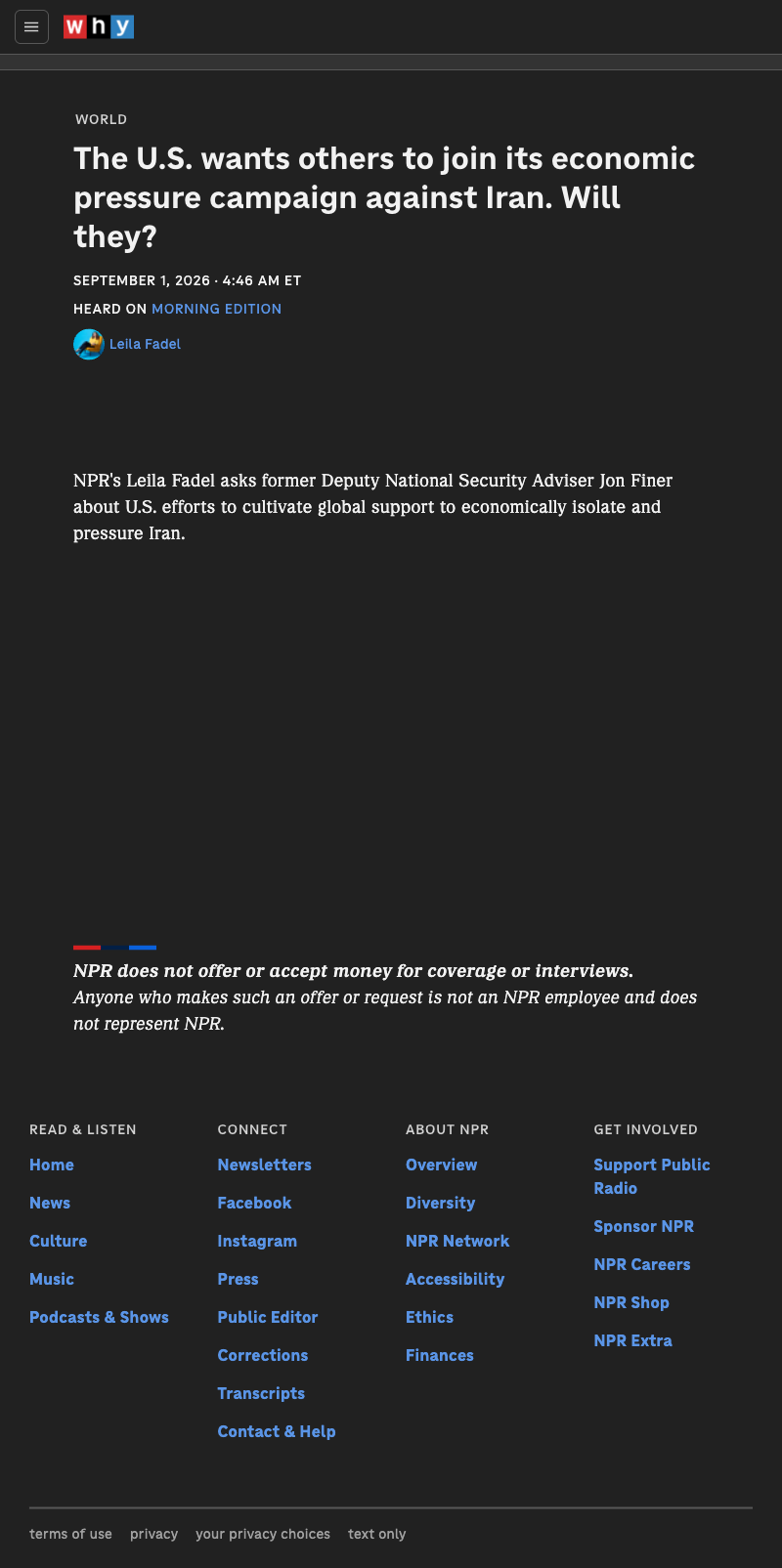 | author: | Leila Fadel | institution: | NPR | ¿porque no los dos? |
| tl;dr | The image shows an NPR World/Morning Edition item titled “The U.S. wants others to join its economic pressure campaign against Iran. Will they?” It’s framed as an interview in which Leila Fadel questions former Deputy National Security Adviser Jon Finer about U.S. efforts to build international support to economically isolate and pressure Iran. The page excerpt indicates the segment focuses on coalition-building and sanctions-style pressure, with the core perspective coming from a senior U.S. official/alumnus rather than multiple stakeholders. | ||||
| deeper: | The framing is largely explanatory and question-driven, but the sourcing shown is narrow: it spotlights a former top U.S. national security official, which tends to privilege Washington’s rationale and language (“pressure campaign,” “isolate”). Without evidence in the screenshot of Iranian, allied, humanitarian, or independent economic perspectives, the segment risks becoming an insider-policy account rather than a fully rounded analysis. Still, NPR’s format and the headline’s interrogative stance suggest an intent to test assumptions rather than simply promote policy. | ||||
media: No Media Preview | |||||
| gen: 2026/09/01:15:48 in 35.5 sec (old)bias: 2 (Center) |
| type: newsquality: 65 |
| pts: 0 |
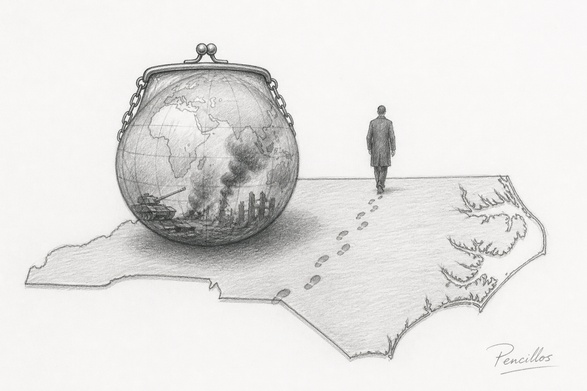
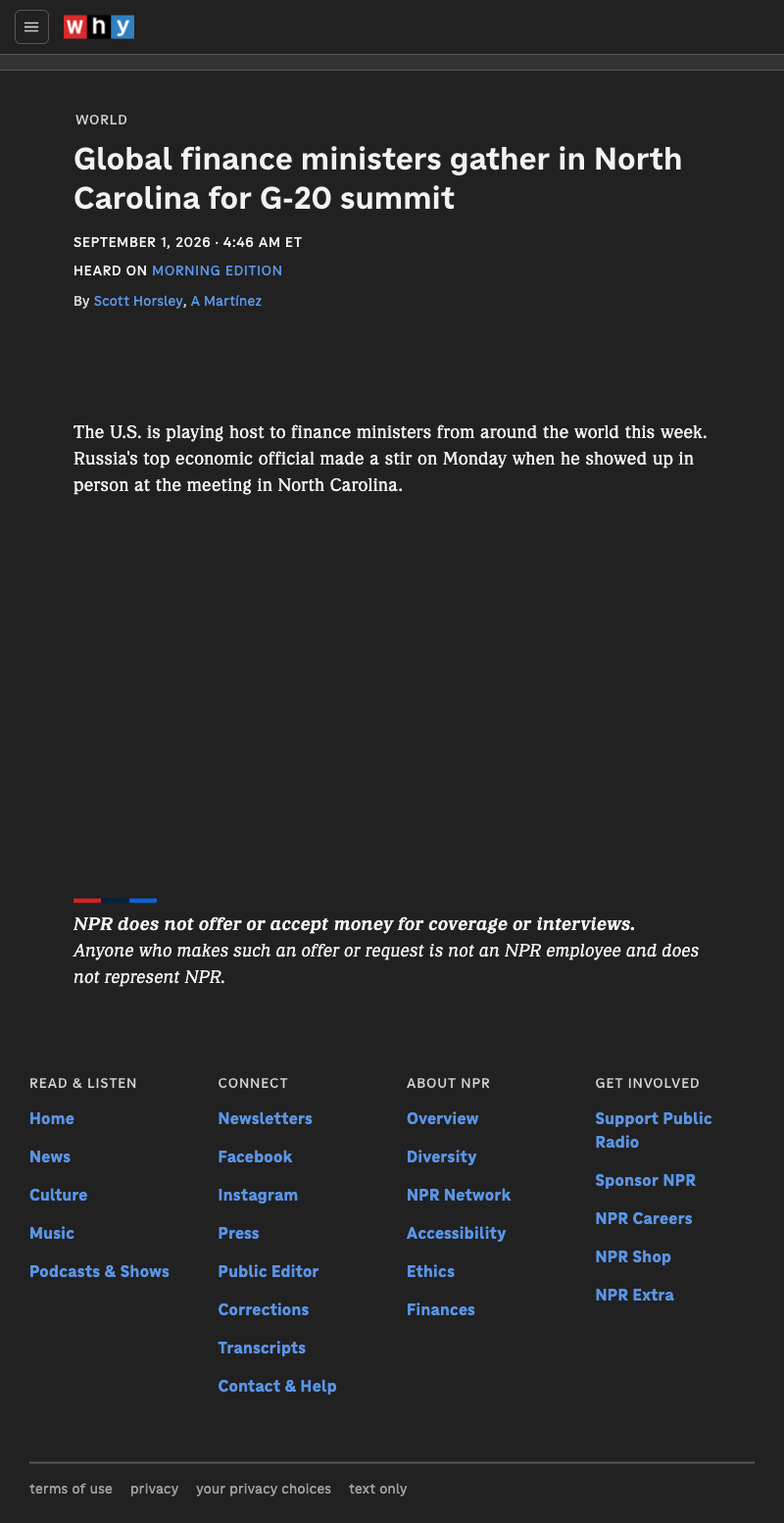 | author: | Scott Horsley, A Martínez | institution: | NPR | ¿porque no los dos? |
| tl;dr | An NPR World/Morning Edition item reports that the U.S. is hosting G-20 finance ministers in North Carolina. The brief text highlights that Russia’s top economic official attended in person, drawing attention. The screenshot contains only the headline, bylines, timestamp, and a short two-sentence lede, so details on agenda items, policy disputes, or outcomes are not visible here. | ||||
| deeper: | The language shown is straightforward and largely descriptive, with minimal loaded wording; “made a stir” is mildly interpretive but common for summarizing diplomatic reactions. Because the screenshot only includes a headline and lede, the piece can’t be fully assessed for sourcing depth, data, countervailing views, or precision on what the “stir” was—so quality is limited by missing context rather than evident poor reporting. | ||||
media: No Media Preview | |||||
| gen: 2026/08/22:18:54 in 43.9 sec (old)bias: 4 (Center-Left) |
| type: newsquality: 63 |
| pts: 0 |
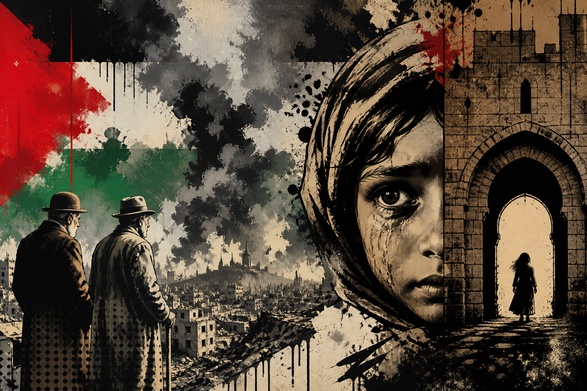
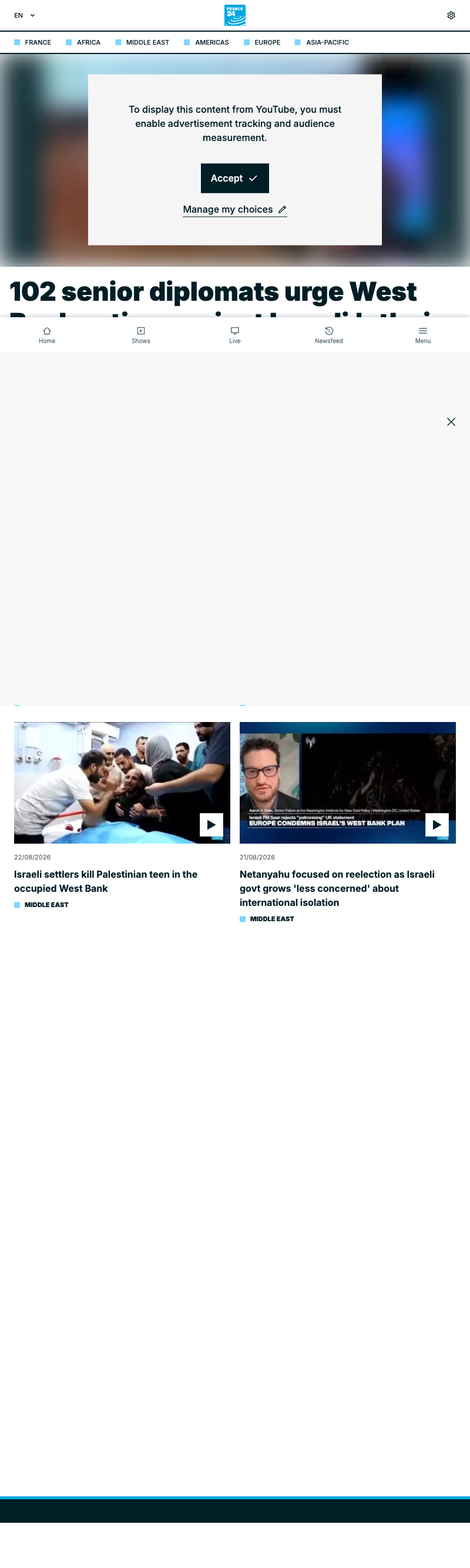 | author: | Unknown | institution: | France 24 | ¿porque no los dos? |
| tl;dr | The image is a France 24 news page focused on Israel/Palestine coverage. The visible headlines include: “Israeli settlers kill Palestinian teen in the occupied West Bank” (22/08/2026), “Netanyahu focused on reelection as Israeli govt grows ‘less concerned’ about international isolation” (21/08/2026), and a clip noting “Europe condemns Israel’s West Bank plan.” A larger, partly obscured headline reads “102 senior diplomats urge West …,” but the rest of the article is not visible. | ||||
| deeper: | Bias signals are mild and mostly come from framing and word choice: repeated emphasis on West Bank condemnation, “occupied West Bank,” and “settlers kill” foregrounds Israeli actions and international criticism. “Occupied West Bank” is widely used in diplomatic/UN contexts, but it still communicates a legal-political stance. Quality looks decent for a mainstream outlet, but the screenshot hides the main article’s body, sources, and countervailing perspectives, so it’s hard to assess evidence, attribution, and completeness. | ||||
media: No Media Preview | |||||
| gen: 2026/08/22:18:51 in 35.1 sec (old)bias: 4 (Center) |
| type: newsquality: 55 |
| pts: 0 |
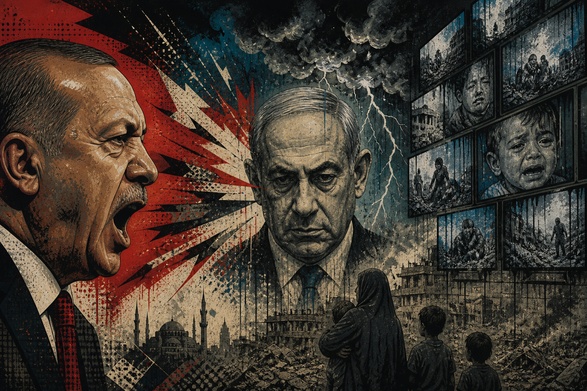
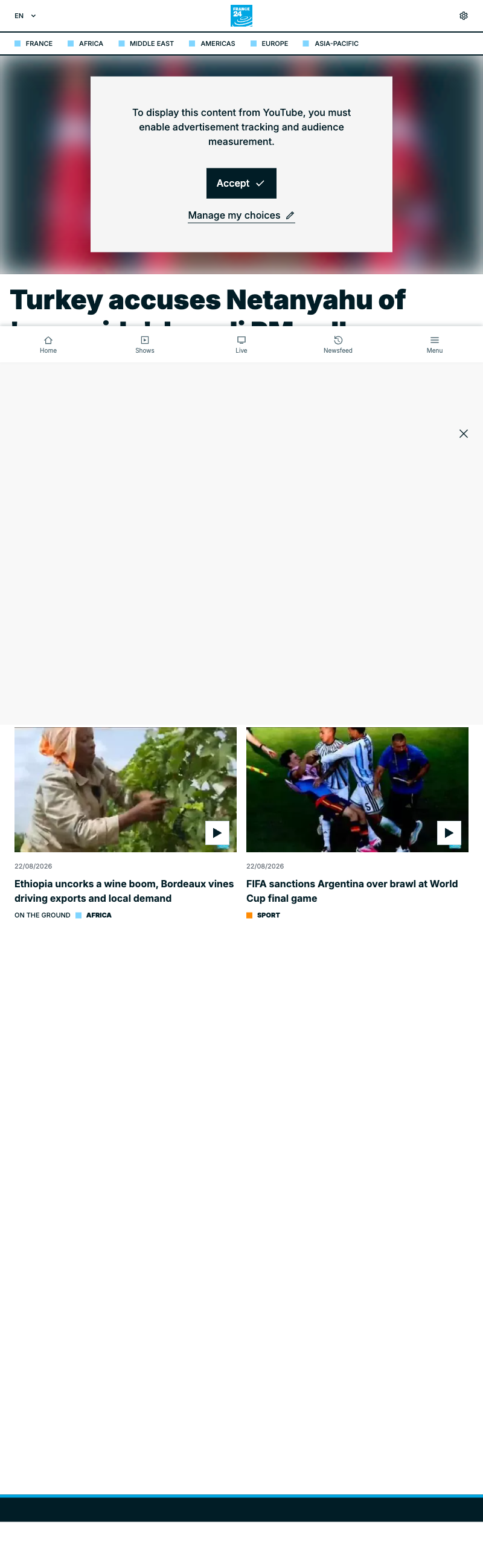
| gen: 2026/08/16:22:30 in 35.6 sec (old)bias: 3 (Center) |
| type: newsquality: 78 |
| pts: 0 |
 | author: | The Associated Press | institution: | NPR | ¿porque no los dos? |
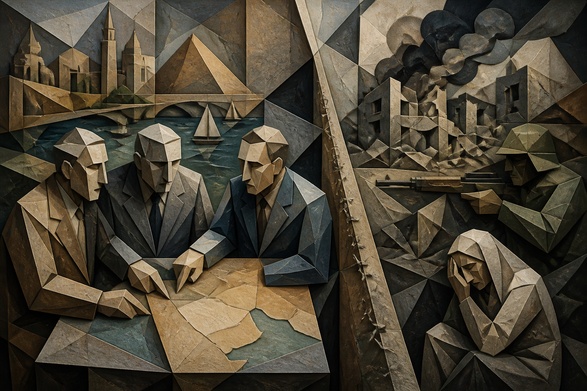
| tl;dr | The article reports that Jared Kushner held a rare meeting with Hamas in Egypt ahead of planned talks with Israeli Prime Minister Benjamin Netanyahu about a U.S.-backed Gaza “road map” tied to a ceasefire, disarmament, Israeli withdrawal, and reconstruction. It describes the plan’s stages, the roles of Egypt/Qatar/France, and Israel’s internal political pressures. It also notes Hamas’ conditions and international criticism—especially from Arab states—of Israel’s reported rejection or obstruction of the proposal. | ||||
| deeper: | The piece is mostly straightforward, attribution-heavy wire reporting (named/anonymous officials, clear sequencing of events, and competing claims). Potential bias shows in framing: it emphasizes Israel’s alleged obstruction and Arab condemnation more than Israeli justifications, while also quoting Israel-linked political constraints and Hamas’ stated positions. Quality is solid (context, timeline, details of the proposed framework), but key claims rely on anonymous sourcing and there’s limited verification or direct documentation of the “road map” terms beyond described bullet points. | ||||
media: No Media Preview | |||||
| gen: 2026/08/13:04:34 in 3 min 4.3 sec (old)bias: 6 (Center-Left) |
| type: lolsquality: 78 |
| pts: 0 |
 | author: | Unknown | institution: | Unknown | ¿porque no los dos? |
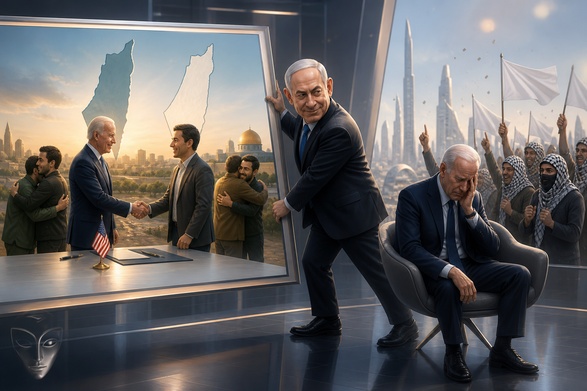
| tl;dr | The article argues that Israeli Prime Minister Benjamin Netanyahu’s rejection of a US-backed Gaza ceasefire/hostage plan strengthens Hamas politically by reinforcing its narrative that Israel will not accept a path to ending the war or moving toward Palestinian statehood. It connects Netanyahu’s stance to domestic coalition politics and long-standing opposition to a two‑state framework, and suggests the rejection undermines US diplomacy and prolongs the conflict and humanitarian catastrophe in Gaza. | ||||
| deeper: | The framing is explicitly critical of Netanyahu (e.g., “gave a ‘victory’ to Hamas”), foregrounding political incentives and humanitarian consequences while giving less weight to Israeli government security rationales beyond brief mention. The piece reads like analysis/commentary rather than straight reporting: it uses interpretive language, causal claims, and normative judgments. Quality is fairly strong for an explainer—coherent structure, relevant context (ceasefire plan, hostages, coalition constraints, two-state implications)—but the headline and some conclusions are arguable and could use more direct evidence and fuller engagement with counterarguments. | ||||
media: No Media Preview | |||||
| gen: 2026/08/11:16:14 in 1 min 21.0 secbias: 4 (Center-Left) |
| type: colorquality: 72 |
| pts: 0 |
Leftist
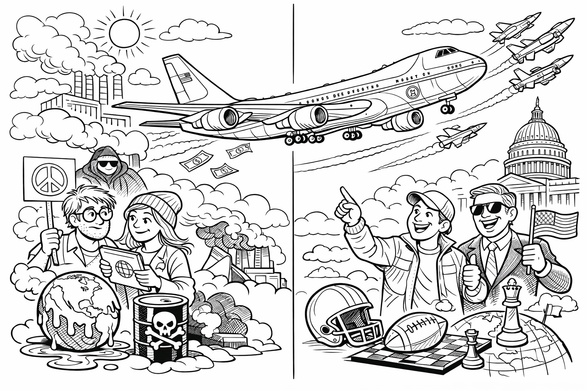
Holy smokes! Air Force One's on the move! Think of it as a symbol of imperial power jetting across the skies, flexing muscles and burning fossil fuels like there's no tomorrow. Secret flights are the Super Bowl of global politics—making clandestine moves while the climate spins out of control. Nothing says 'progress' like stealthy maneuvers swerving transparency. But wait, people, it's always sunny above the clouds of privilege!
Rightist
Look at Air Force One! It's the heavyweight champ soaring through skies! Secret flights aren’t just strategic plays; they're buzzer-beaters on the global court. This is about projecting strength, folks! Navigating threats like a QB through defense, showing no retreat on international turf. Hey, diplomacy ain't easy, but nothing worth winning ever is! This is leadership, pure and simple—a full-court press for freedom!
 | author: | Unknown | institution: | The Guardian | ¿porque no los dos? |
| tl;dr | The screenshot shows a Guardian article describing a highly secured, partly secretive flight involving the U.S. presidential aircraft amid heightened regional tension and an alleged threat from Iran. The piece emphasizes the operational secrecy, security precautions, and diplomatic/military context in Turkey, framing the trip as a response to a volatile security environment. It reads as a reported narrative: scene-setting details plus broader geopolitical explanation of why the movement was sensitive. | ||||
| deeper: | The writing leans toward a security-and-diplomacy narrative that assumes the seriousness of the “Iran threat” framing, with limited visible space (in the screenshot) for competing interpretations or direct Iranian/Turkish rebuttal—mild framing bias. Quality is solid: a clear news-style structure, contextual background, and specific logistical detail. Limits: heavy reliance on unnamed officials/opaque security claims (hard for readers to verify) and a somewhat dramatized tone (“secret flight”) that can heighten perceived threat. | ||||
media: | |||||


owned and operated by: RPN Omnigalactic Insitutution as of: 2026/10/16: 13:27 in 0 ms
Enter Code
Login with Account