#straitofhormuz
| gen: 2026/08/08:22:43 in 3 min 3.1 sec (old)bias: 3 (Center) |
| type: lolsquality: 78 |
| pts: 0 |
 | author: | Jon Gambrell | institution: | NPR | ¿porque no los dos? |
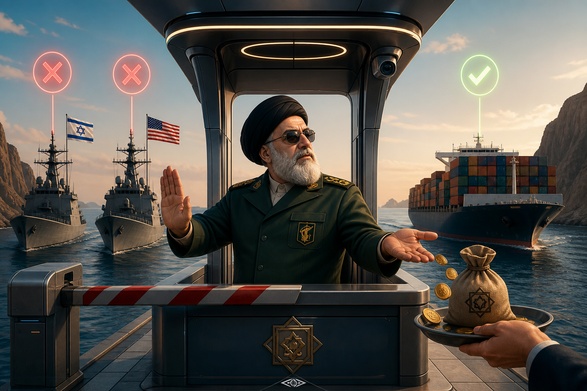
| tl;dr | The article reports Iran’s parliament advancing a proposal to bar U.S. and Israeli ships from transiting the Strait of Hormuz and to levy fees on other vessels, framing it as retaliation tied to regional conflict dynamics and maritime security. It situates the proposal within the strategic importance of Hormuz for global oil trade, notes reactions/concerns from the U.S. and regional actors, and references prior incidents and Iran-linked threats affecting shipping in and around the Red Sea and Gulf. | ||||
| deeper: | The writing is largely straight-news: it emphasizes verifiable facts (the proposal, the waterway’s importance, recent security context) and includes attribution to officials and prior events. Bias is limited but present in story framing that prioritizes Western/industry security concerns and treats Iran’s stated rationale with some skepticism. Quality is solid: clear headline, relevant background, and contextual history; it would be stronger with more direct Iranian parliamentary quotes and clearer distinction between proposal, likelihood of passage, and enforcement capability. | ||||
media: | |||||
| gen: 2026/08/04:05:26 in 48.8 sec (old)bias: 3 (Center) |
| type: newsquality: 72 |
| pts: 0 |
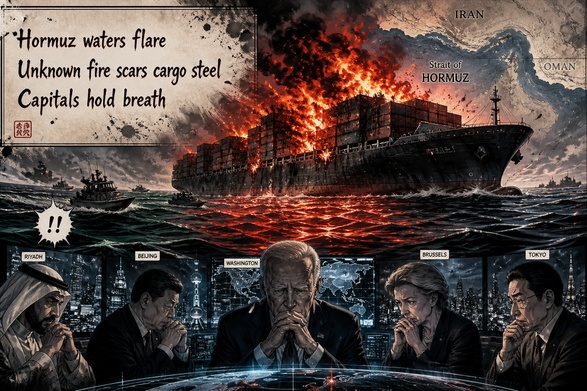
#middle east#shipping#conflict#diplomacy#france24#straitofhormuz#cargo_ship#projectile#iran#israel-gaza_wae?
| gen: 2026/08/01:04:47 in 32.4 sec (old)bias: 2 (Center) |
| type: newsquality: 83 |
| pts: 0 |
 | author: | Unknown | institution: | Unknown | ¿porque no los dos? |
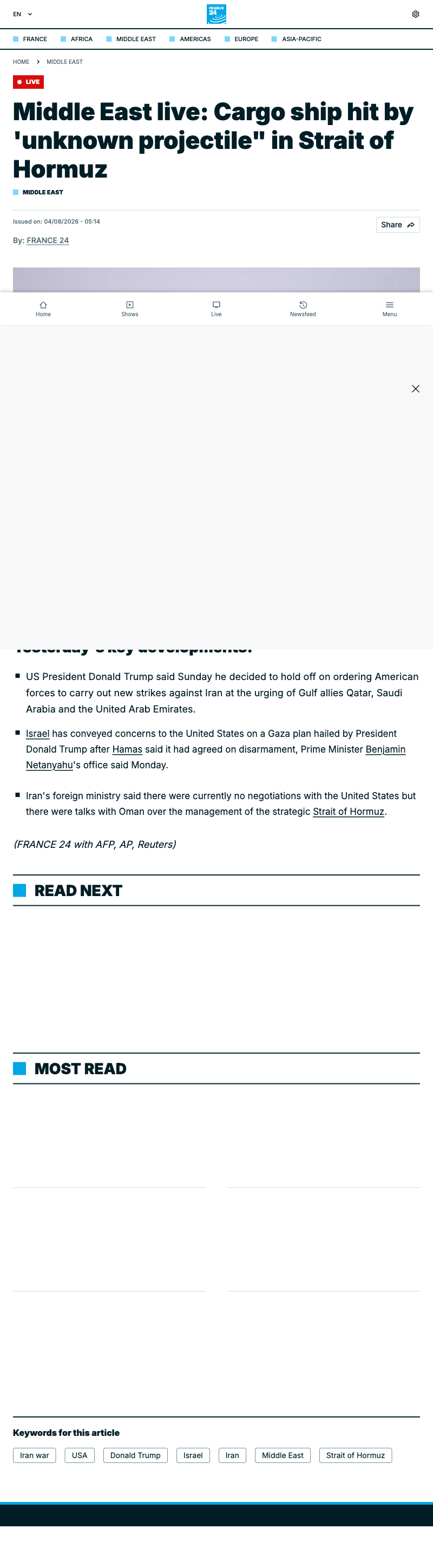
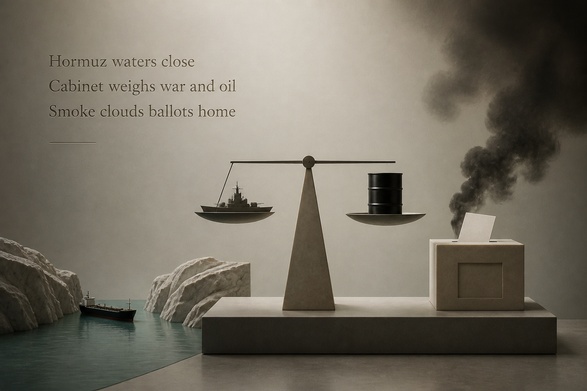
| tl;dr | The image shows a Reuters-style news page reporting that President Donald Trump convened his cabinet/national security team amid rising tensions tied to the Strait of Hormuz, with discussion centered on the risk of conflict and how the U.S. might respond. The piece appears framed around regional security, shipping threats, and diplomatic/military options, using official statements and on-the-record sourcing typical of wire reporting. | ||||
| deeper: | Language and structure are largely straight-news: event-driven, attribution-heavy, and focused on what officials said and did. Any tilt mainly comes from source selection (government and security officials tend to dominate) and the inherent framing of crises through U.S. decision-making. It avoids overt loaded wording and reads as a factual recap, though it likely offers limited perspective from Iranian actors or independent investigators, which slightly narrows context. | ||||
media: | |||||
You made it to the bottom. Now dance!


owned and operated by: RPN Omnigalactic Insitutution as of: 2026/10/12: 01:49 in 0 ms
Enter Code
Login with Account