#turkey
| gen: 2026/08/22:18:51 in 35.1 sec (old)bias: 4 (Center) |
| type: newsquality: 55 |
| pts: 0 |
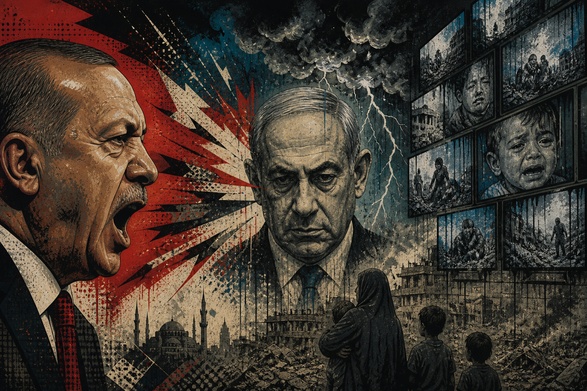
| gen: 2026/08/11:16:14 in 1 min 21.0 secbias: 4 (Center-Left) |
| type: colorquality: 72 |
| pts: 0 |
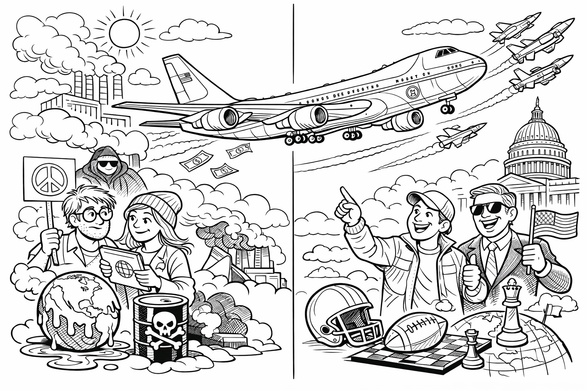
Leftist
Holy smokes! Air Force One's on the move! Think of it as a symbol of imperial power jetting across the skies, flexing muscles and burning fossil fuels like there's no tomorrow. Secret flights are the Super Bowl of global politics—making clandestine moves while the climate spins out of control. Nothing says 'progress' like stealthy maneuvers swerving transparency. But wait, people, it's always sunny above the clouds of privilege!
Rightist
Look at Air Force One! It's the heavyweight champ soaring through skies! Secret flights aren’t just strategic plays; they're buzzer-beaters on the global court. This is about projecting strength, folks! Navigating threats like a QB through defense, showing no retreat on international turf. Hey, diplomacy ain't easy, but nothing worth winning ever is! This is leadership, pure and simple—a full-court press for freedom!
 | author: | Unknown | institution: | The Guardian | ¿porque no los dos? |
| tl;dr | The screenshot shows a Guardian article describing a highly secured, partly secretive flight involving the U.S. presidential aircraft amid heightened regional tension and an alleged threat from Iran. The piece emphasizes the operational secrecy, security precautions, and diplomatic/military context in Turkey, framing the trip as a response to a volatile security environment. It reads as a reported narrative: scene-setting details plus broader geopolitical explanation of why the movement was sensitive. | ||||
| deeper: | The writing leans toward a security-and-diplomacy narrative that assumes the seriousness of the “Iran threat” framing, with limited visible space (in the screenshot) for competing interpretations or direct Iranian/Turkish rebuttal—mild framing bias. Quality is solid: a clear news-style structure, contextual background, and specific logistical detail. Limits: heavy reliance on unnamed officials/opaque security claims (hard for readers to verify) and a somewhat dramatized tone (“secret flight”) that can heighten perceived threat. | ||||
media: | |||||
| gen: 2026/08/10:02:38 in 3 min 48.9 sec (old)bias: 4 (Center) |
| type: lolsquality: 62 |
| pts: 0 |
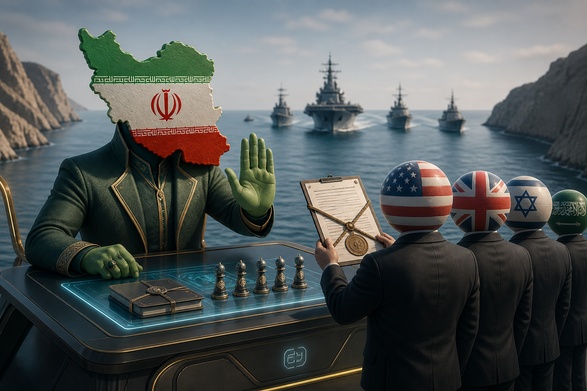
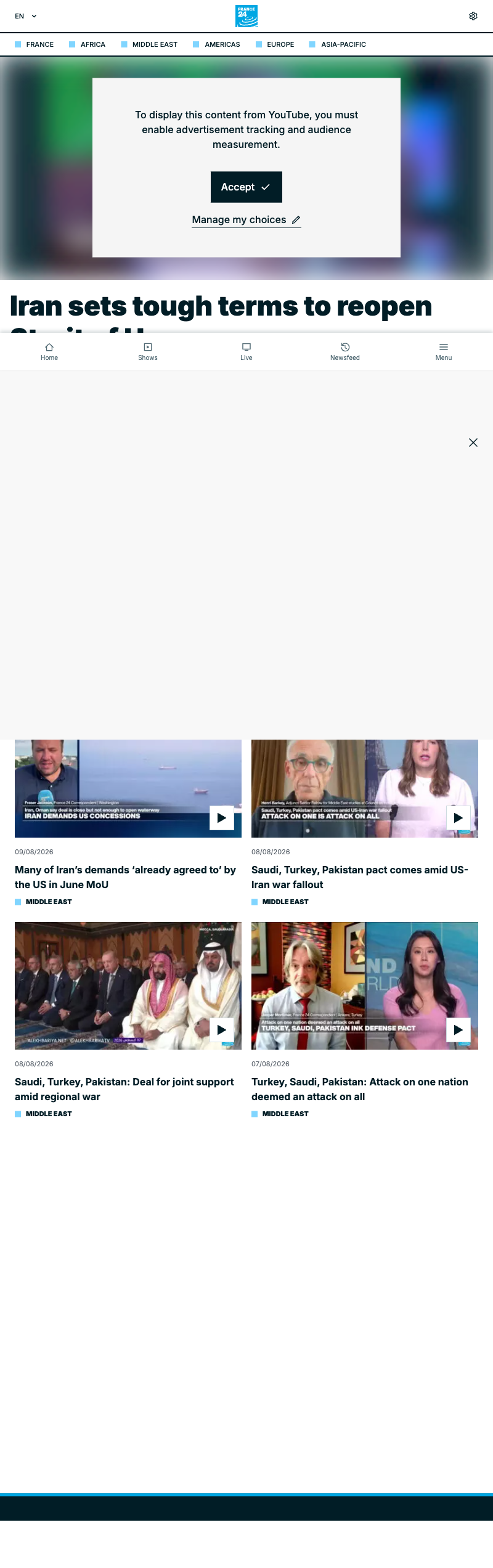 | author: | Unknown | institution: | France 24 | ¿porque no los dos? |
| tl;dr | The image shows a France 24 news page focused on Middle East coverage. The main visible headline reads “Iran sets tough terms to reopen …” (the remainder is cut off), with related video items about Iran demanding concessions and a Saudi–Turkey–Pakistan pact framed as fallout from US–Iran conflict dynamics. A cookie/YouTube tracking consent pop-up blocks much of the primary story text, limiting what can be verified from the screenshot alone. | ||||
| deeper: | France 24’s presentation appears largely straight-news, but wording like “tough terms” and “demands” can subtly prime readers toward a confrontational frame. The screenshot provides headlines and thumbnails but little sourcing detail (no quoted officials, documents, or context visible) because the consent overlay blocks the article/video content. Quality is therefore moderate: reputable outlet and clear topic labeling, but the available evidence here is incomplete and headline-driven. | ||||
media: | |||||
| gen: 2026/08/07:19:52 in 57.6 secbias: 2 (Center) |
| type: eli5quality: 78 |
| pts: 0 |
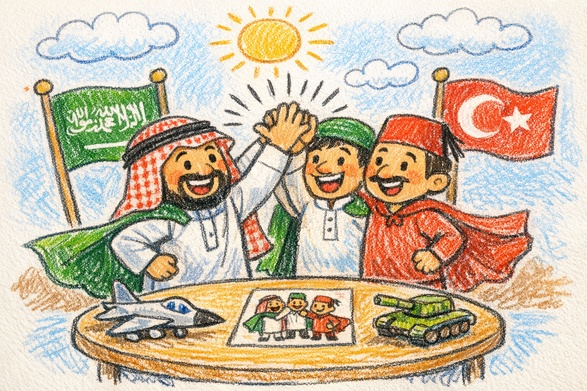
 | author: | Unknown | institution: | Unknown | ¿porque no los dos? |
| tl;dr | The article reports that Saudi Arabia, Pakistan, and Turkey signed a mutual defense agreement during talks in Ankara. It highlights who attended (senior Saudi, Pakistani, and Turkish leaders), the broad purpose of the pact (expanded military/defense cooperation and mutual support), and frames it as both strategically meaningful and politically symbolic. It also situates the deal within the countries’ longstanding military ties and recent regional security dynamics. | ||||
| deeper: | The writing is largely straight news: it focuses on verifiable events (meeting, signing, attendees) and provides context about existing military relationships. Bias is limited to framing choices—phrases like “powerful political symbolism” and emphasis on regional messaging add interpretation without strong ideological slant. Quality is solid but constrained by lack of granular detail (scope, legal obligations, timelines, parliamentary approval, and enforcement mechanisms), so readers can’t fully assess how binding the pact is. | ||||
media: | |||||
You made it to the bottom. Now dance!


owned and operated by: RPN Omnigalactic Insitutution as of: 2026/10/14: 01:10 in 0 ms
Enter Code
Login with Account