#donald trump
| gen: 2026/10/07:16:31 in 33.5 sec (old)bias: 1 (Center) |
| type: newsquality: 35 |
| pts: 0 |
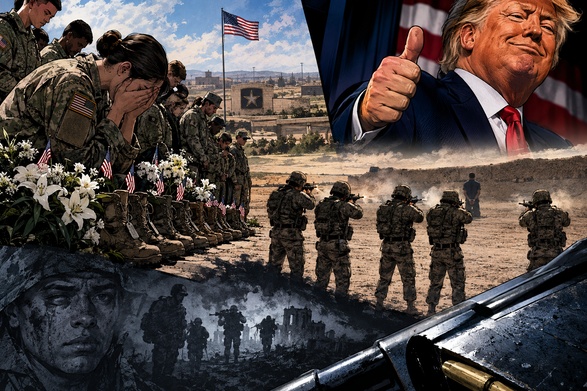
#politics#military#death penalty#crime#donald trump#fort hood#firing squad#military justice#2009 shooting
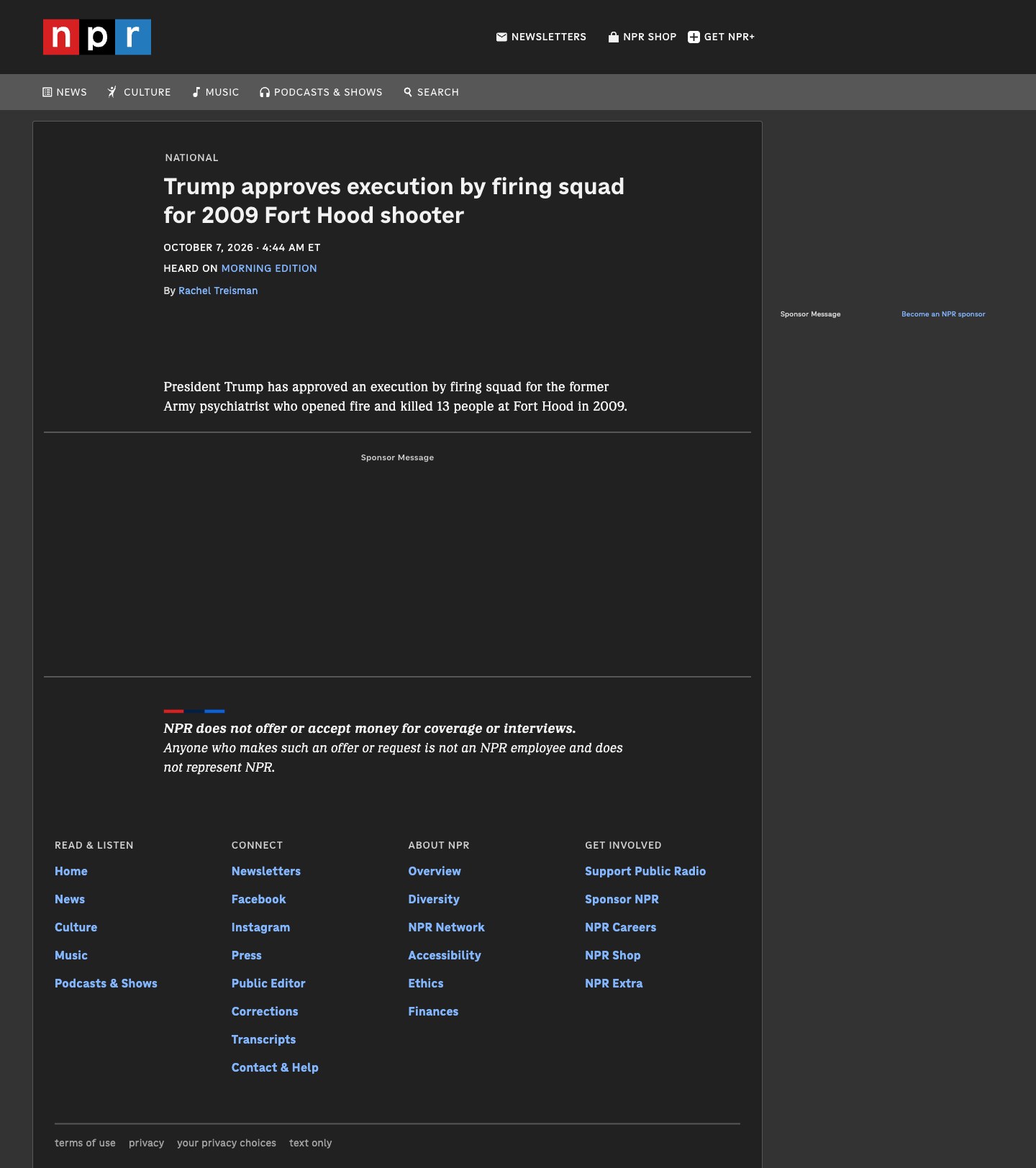 | author: | Rachel Treisman | institution: | NPR | ¿porque no los dos? |
| tl;dr | The displayed page says President Trump approved execution by firing squad for the former Army psychiatrist who killed 13 people at Fort Hood in 2009. Dated October 7, 2026, it contains only a headline and one-sentence news summary, without supporting sources, legal details, or an execution date. The screenshot alone does not establish the claim’s accuracy or the page’s authenticity. | ||||
| deeper: | The wording is straightforward and neither praises nor condemns Trump or capital punishment, providing little evidence of political bias. However, the visible report simply repeats its headline without identifying a source for the approval, explaining military execution rules, or discussing appeals. Its clarity is a strength, but the lack of supporting evidence and context limits its quality. This assessment covers only the displayed text, not any associated broadcast. | ||||
media: | |||||
| gen: 2026/09/28:05:19 in 24.2 sec (old)bias: 3 (Center) |
| type: newsquality: 82 |
| pts: 0 |

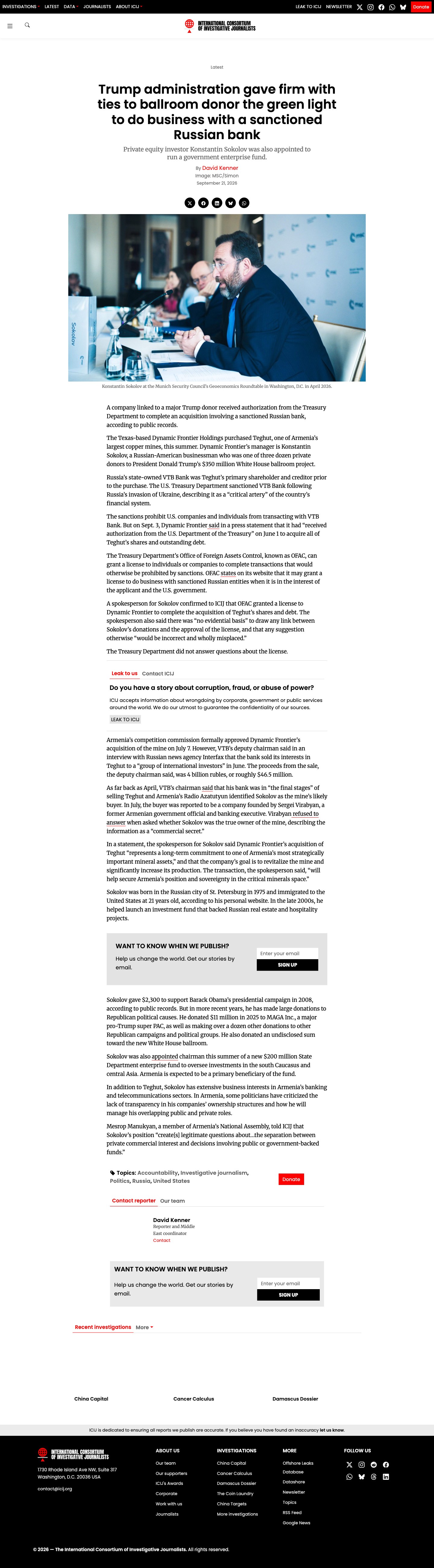
| gen: 2026/09/27:03:01 in 28.5 sec (old)bias: 4 (Center) |
| type: newsquality: 56 |
| pts: 0 |
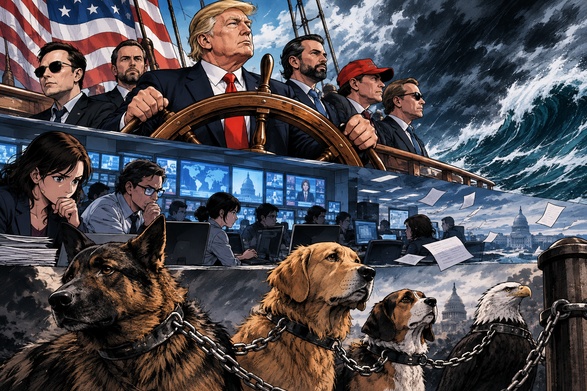
#media#politics#journalism#ownership#cnn#cbs news#paramount#warner bros#donald trump#david ellison no
 | author: | David Folkenflik, Debbie Elliott | institution: | NPR | ¿porque no los dos? |
| tl;dr | The document says Paramount’s acquisition of Warner Bros. Discovery would put CNN and CBS under owners tied to President Trump. It describes a settlement requiring editorial oversight boards and questions whether those boards could protect newsroom independence. The discussion highlights potential owner influence while also warning that court enforcement could give government officials inappropriate influence over journalism. The acquisition, settlement, and access restrictions described are claims in the supplied screenshots, not independently verified facts. | ||||
| deeper: | The article favors independent journalism and accountability rather than an explicit partisan platform. However, leading questions, dramatic wording, and speculation about owners’ motives create a skeptical, one-sided frame. No responses from Paramount, the Ellisons, or the White House appear. Useful explanations of oversight and government-interference risks add nuance, but major legal claims lack identifiable supporting documents. Apparent transcription errors—including “Barry Weiss” and “illegal settlement”—reduce precision. The screenshots alone cannot establish authenticity or verify the reported events. | ||||
media: | |||||
| gen: 2026/09/24:02:27 in 28.2 sec (old)bias: 3 (Center) |
| type: newsquality: 70 |
| pts: 0 |
 | author: | Hadeel Al-Shalchi, Alex Leff | institution: | NPR | ¿porque no los dos? |
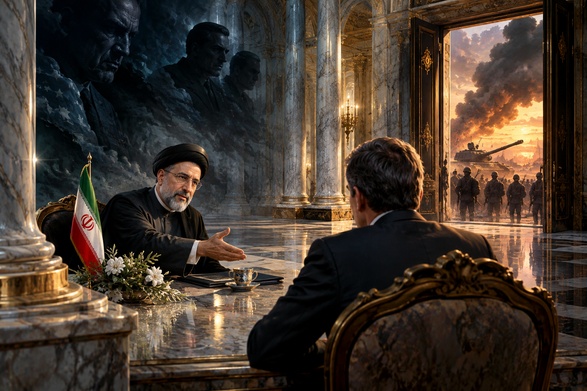
| tl;dr | The article reports that Iranian President Masoud Pezeshkian addressed the United Nations during a war with the United States, criticizing U.S. attacks while expressing willingness to negotiate. It contrasts his remarks with President Trump’s threat to annihilate the Islamic Republic and his insistence that Iran not develop nuclear weapons. U.S. and Iranian officials describe diplomatic exchanges mediated by Qatar. Iran seeks an end to hostilities and a naval blockade, release of funds, and protection of its civilian nuclear program. | ||||
| deeper: | The report quotes both governments and generally distinguishes officials’ claims from established facts. Its opening emphasizes Trump’s threat and Iranian suffering, giving Iran’s perspective some emotional prominence. However, it also includes U.S. nuclear concerns and Iran’s refusal of restrictions, without clearly endorsing a political ideology. Named sources and links strengthen transparency. Limited independent scrutiny of wartime claims and little historical or nuclear-monitoring context weaken the reporting. The screenshots alone cannot establish the authenticity of the page or verify its consequential factual claims. | ||||
media: | |||||
| gen: 2026/09/24:02:24 in 33.9 sec (old)bias: 1 (Center) |
| type: newsquality: 55 |
| pts: 0 |
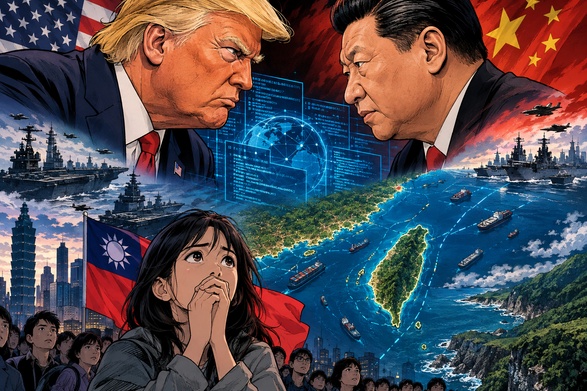
#diplomacy#china#taiwan#cybersecurity#ai#donald trump#xi jinping#rush doshi#terry gross#united states po
 | author: | Terry Gross | institution: | NPR | ¿porque no los dos? |
| tl;dr | The page introduces a Fresh Air interview hosted by Terry Gross with Rush Doshi of the Council on Foreign Relations about U.S.–China relations ahead of a planned Trump–Xi summit. The headline highlights cybersecurity, artificial intelligence, and Taiwan. Only a brief introduction and a 43-minute audio player are visible; the interview’s arguments, evidence, and predictions cannot be assessed from these images. | ||||
| deeper: | The visible headline and introduction use neutral language without praising or attacking either leader or promoting a political position. The guest and his affiliation are clearly identified. However, the page provides no transcript, supporting evidence, or substantive policy explanation. These scores apply only to the visible introduction, not the unavailable audio; the screenshot alone also cannot establish authenticity or verify the summit details. | ||||
media: | |||||
| gen: 2026/09/24:02:21 in 31.7 sec (old)bias: 4 (Center) |
| type: newsquality: 56 |
| pts: 0 |
#diplomacy#china#usa#trade#politics#donald trump#xi jinping#united states#state visit#trade war backup
 | author: | FRANCE 24 with AFP | institution: | FRANCE 24 | ¿porque no los dos? |
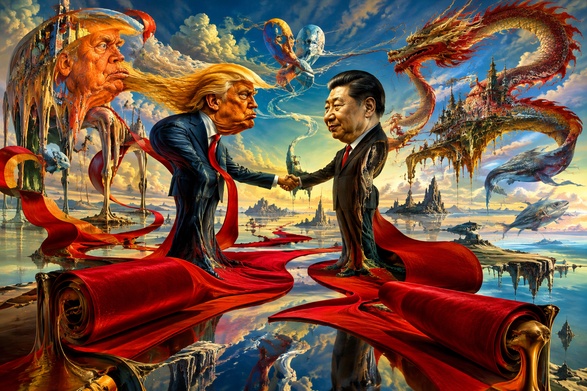
| tl;dr | The article reports that Trump personally welcomed Xi Jinping for a US state visit focused on trade, AI and Iran. It says a trade truce has been extended, while expectations for major breakthroughs remain low. The coverage contrasts elaborate diplomatic ceremonies with Republican criticism of Xi and concerns over alleged Chinese intelligence assistance to Iran. It also describes potential AI cooperation and Trump's domestic political difficulties. The screenshots attribute the report to France 24 with AFP and date it September 24, 2026; its authenticity and claims cannot be independently established from the images. | ||||
| deeper: | The report includes Trump's remarks, a named analyst and Republican criticism, without clearly endorsing a left- or right-wing agenda. However, repeated emphasis on 'pageantry,' the 'Oppressive dictator' subheading and speculation about distracting from domestic problems add a skeptical slant. Chinese perspectives are largely absent. Attribution and specific details help, but claims about historic polling lows and their causes lack supporting figures. The dramatic AI-extinction framing lacks nuance. Some article text is obscured, and the screenshots alone cannot authenticate the report or verify its substantial geopolitical claims. | ||||
media: | |||||
| gen: 2026/09/23:04:53 in 41.8 sec (old)bias: 3 (Center) |
| type: lolsquality: 65 |
| pts: 0 |
 | author: | Ken B. Morales; Elizabeth McCauley | institution: | ProPublica | ¿porque no los dos? |
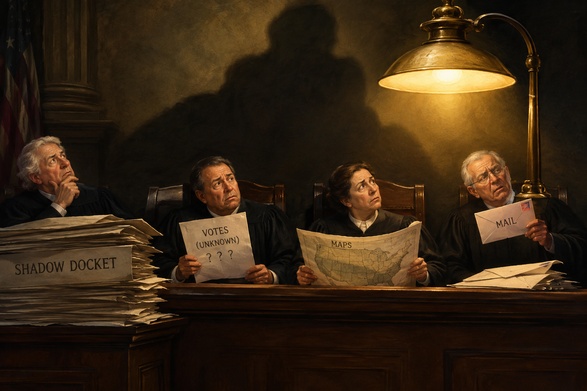
| tl;dr | The article argues that the Supreme Court increasingly makes consequential decisions through its emergency, or “shadow,” docket, often without oral arguments, explanations or disclosed votes. It reports that these substantive decisions outnumbered openly argued cases in the term ending in 2025. It describes subsequent rulings involving White House construction, Missouri redistricting and mail voting, while acknowledging that Trump has not always prevailed. The central concern is reduced transparency in decisions with major public consequences. | ||||
| deeper: | The article favors judicial transparency, which is not inherently partisan. However, phrases such as “in the shadows” create a critical tone, and little space explains legitimate reasons for emergency procedures. A described court-records analysis, supporting links, a request for comment and acknowledgment of Trump’s losses strengthen the reporting. The visible text supplies neither exact comparative counts nor named experts, case identifiers or detailed methodology. Its specific ruling descriptions and quotations cannot be independently verified from these screenshots alone. | ||||
media: | |||||
| gen: 2026/09/23:04:47 in 36.5 sec (old)bias: 4 (Center) |
| type: lolsquality: 78 |
| pts: 0 |
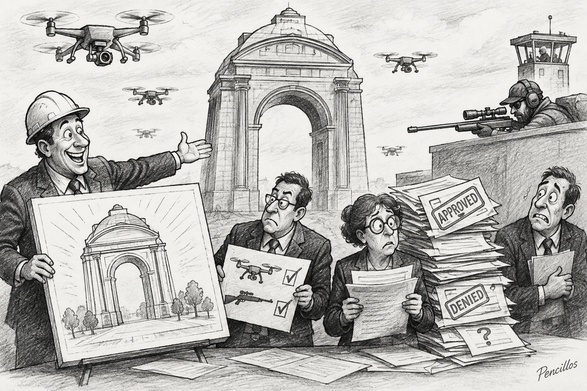
#politics#architecture#military#aviation#law#donald trump#washington dc#triumphal arch#military complex#drones#aviation safety
 | author: | Rachel Treisman | institution: | NPR | ¿porque no los dos? |
| tl;dr | The article reports that Trump wants his proposed 250-foot Washington-area triumphal arch to serve as a military complex housing drones, snipers and ammunition. It examines how that change could complicate preservation reviews, aviation assessments and ongoing litigation over congressional authorization. Preservation advocates, lawmakers and legal and military experts question the project's justification. The administration presents the arch as a national landmark and cites security needs, but provides little additional explanation in response to questions. | ||||
| deeper: | The article offers detailed procedural context, named sources, document links and administration responses, including the FAA's favorable finding. However, critics dominate, and language such as “Trump-packed” adds editorial judgment. The headline also presents a proposed military role more definitively than the body supports. Its emphasis on preservation, safety and congressional oversight does not establish a clear left-right ideology. Strong sourcing improves quality, but extended inflammatory quotations and limited independent examination of military requirements weaken balance. The screenshots alone cannot authenticate the reporting. | ||||
media: | |||||
| gen: 2026/09/21:17:46 in 35.3 sec (old)bias: 2 (Center) |
| type: newsquality: 42 |
| pts: 0 |
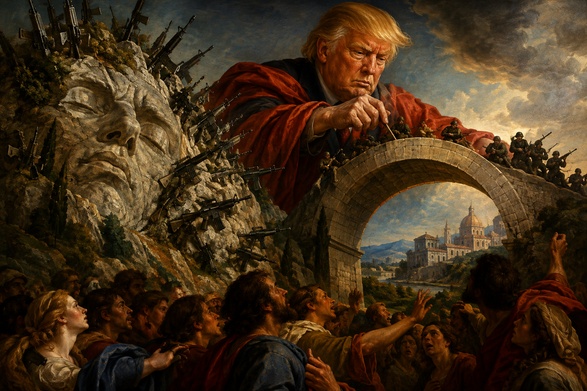
#politics#military#architecture#washington dc#donald trump#proposed arch#military complex#construction#snipers
 | author: | Franco Ordoñez, Steve Inskeep | institution: | NPR | ¿porque no los dos? |
| tl;dr | The displayed NPR item reports that President Trump says his proposed Washington, D.C., arch would also function as a military complex. Its headline mentions snipers and weaponry, while the brief description notes opposition to his construction projects in the capital. The supplied page contains only a headline and short summary, not a detailed report or interview transcript. | ||||
| deeper: | The wording attributes the central claim to Trump rather than presenting it as independently established. Highlighting snipers, weaponry, and pushback creates a dramatic frame, but there is no clear endorsement of a political ideology. Named journalists and a publication date provide accountability. However, the visible text supplies no supporting quotation, project details, explanation of the opposition, or corroboration. This score assesses the limited material shown; the screenshot alone cannot establish authenticity or accuracy. | ||||
media: | |||||
| gen: 2026/09/20:20:34 in 18.0 sec (old)bias: 1 (Center) |
| type: newsquality: 40 |
| pts: 0 |
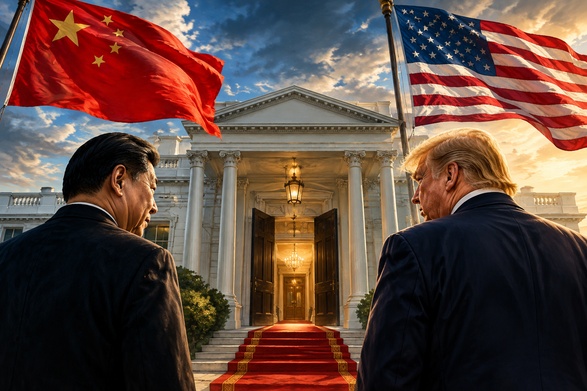
 | author: | Debbie Elliott, Emily Feng | institution: | NPR | ¿porque no los dos? |
| tl;dr | The screenshot presents a brief preview of an anticipated White House summit between Chinese leader Xi Jinping and President Donald Trump. Dated September 20, 2026, it says Xi will arrive in the United States that week and promises to examine both leaders’ goals. The visible text does not actually describe those goals, provide supporting sources, or explain the summit’s agenda. | ||||
| deeper: | The visible wording treats both leaders neutrally and gives neither side preferential treatment. Calling the summit “important” adds mild emphasis, not clear political bias. Quality is limited by the extremely short excerpt: the headline promises expectations, but no substantive analysis, sourcing, or agenda appears. These scores apply only to the visible material, not any accompanying broadcast. The screenshot alone cannot establish the authenticity of the page or confirm the reported visit. | ||||
media: | |||||
| gen: 2026/09/20:20:31 in 29.7 sec (old)bias: 3 (Center) |
| type: newsquality: 66 |
| pts: 0 |
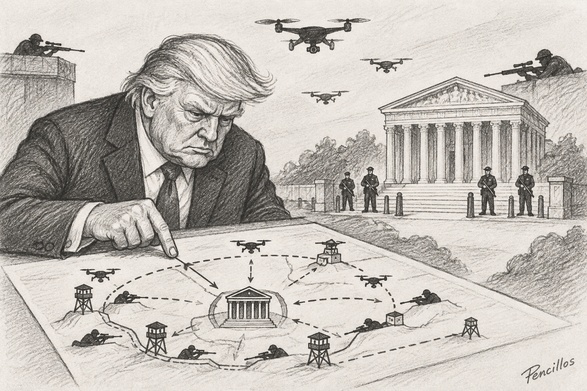
#politics#military#monuments#law#donald trump#washington dc#triumphal arch#national mall#national securit#military drones
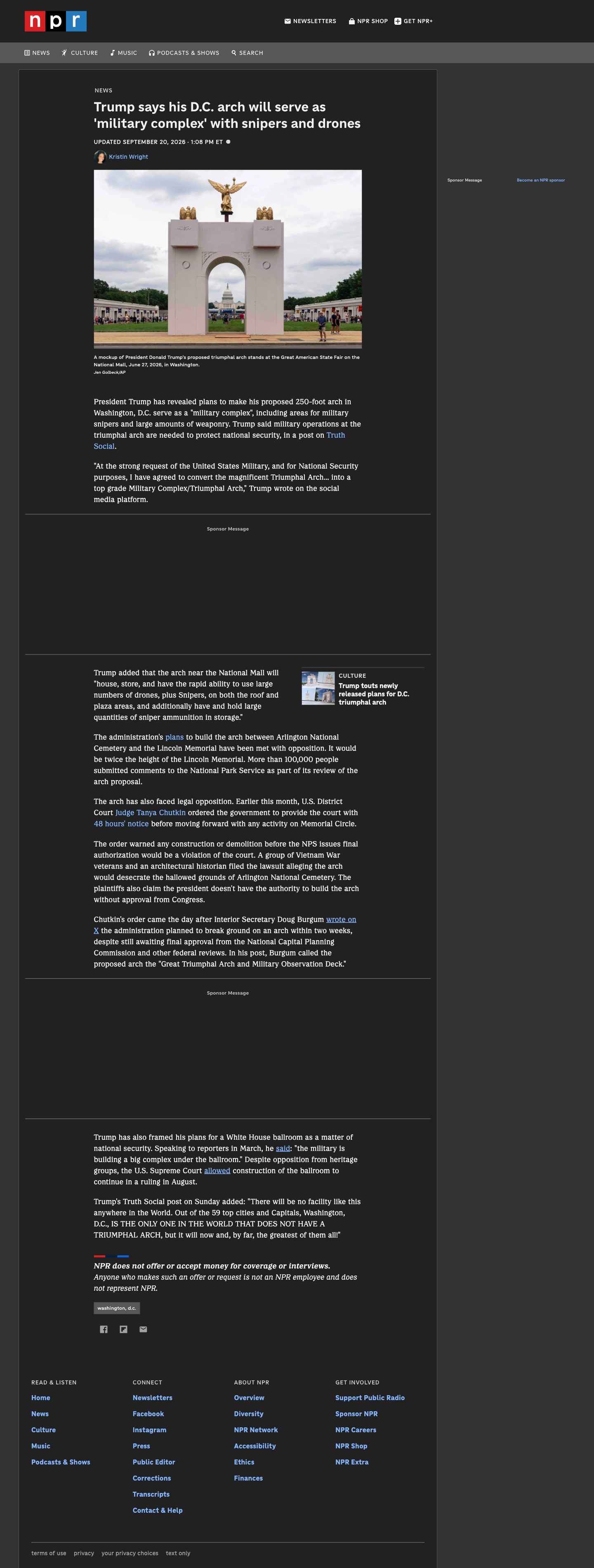 | author: | Kristin Wright | institution: | NPR | ¿porque no los dos? |
| tl;dr | The article reports that Trump wants his proposed 250-foot Washington, D.C., triumphal arch to double as a military facility housing drones, snipers and ammunition. It describes legal challenges, pending federal approvals and objections concerning nearby Arlington National Cemetery. It also connects the proposal to his national-security justification for a White House ballroom. These claims are attributed to social media posts and court actions; the screenshots alone do not establish their authenticity. | ||||
| deeper: | The language is mostly restrained, and the alarming headline reflects quotations attributed to Trump rather than editorial insults. Coverage emphasizes legal obstacles and opposition but includes the administration’s security rationale, without clearly endorsing a political ideology. Named sources, links and procedural detail strengthen the presentation. However, it offers no independent military assessment, leaves the sweeping claim about other cities’ arches unchecked, and does not clarify how many public comments opposed the project. Authenticity and linked evidence cannot be verified from screenshots. | ||||
media: | |||||
| gen: 2026/09/18:18:48 in 37.0 secbias: 3 (Unknown) |
| type: colorquality: 45 |
| pts: 0 |
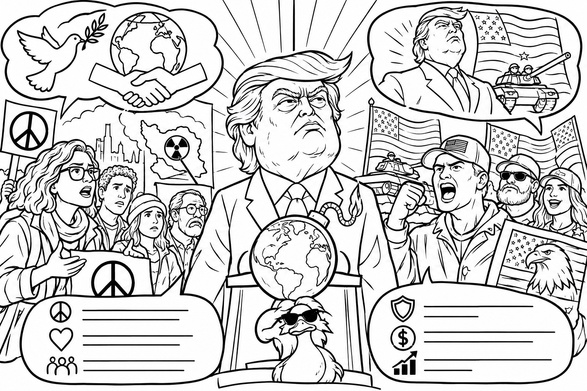
#politics#war#diplomacy#iran#trump#iran war#donald trump#barack obama#us presidency#national securit
Leftist
Yet another disastrous consequence of unchecked power. The Trump administration's aggressive stance on Iran risks not just regional peace but global stability. Diplomacy should always triumph over reckless showmanship. This isn't just about jeopardizing a political career; it's jeopardizing lives. When will we learn that war isn't the answer? We need leaders who prioritize humanity over hubris, fostering dialogue over division.
Rightist
This is a classic case of fearmongering from the left. The Trump administration is taking strong steps to ensure national security. Liberals may call it jeopardizing, but it's about protecting American interests and showing strength against adversaries like Iran. Sometimes, peace requires power. It's time to stop apologizing for America and start safeguarding our future. Trump’s decisive actions show the world we won’t back down.
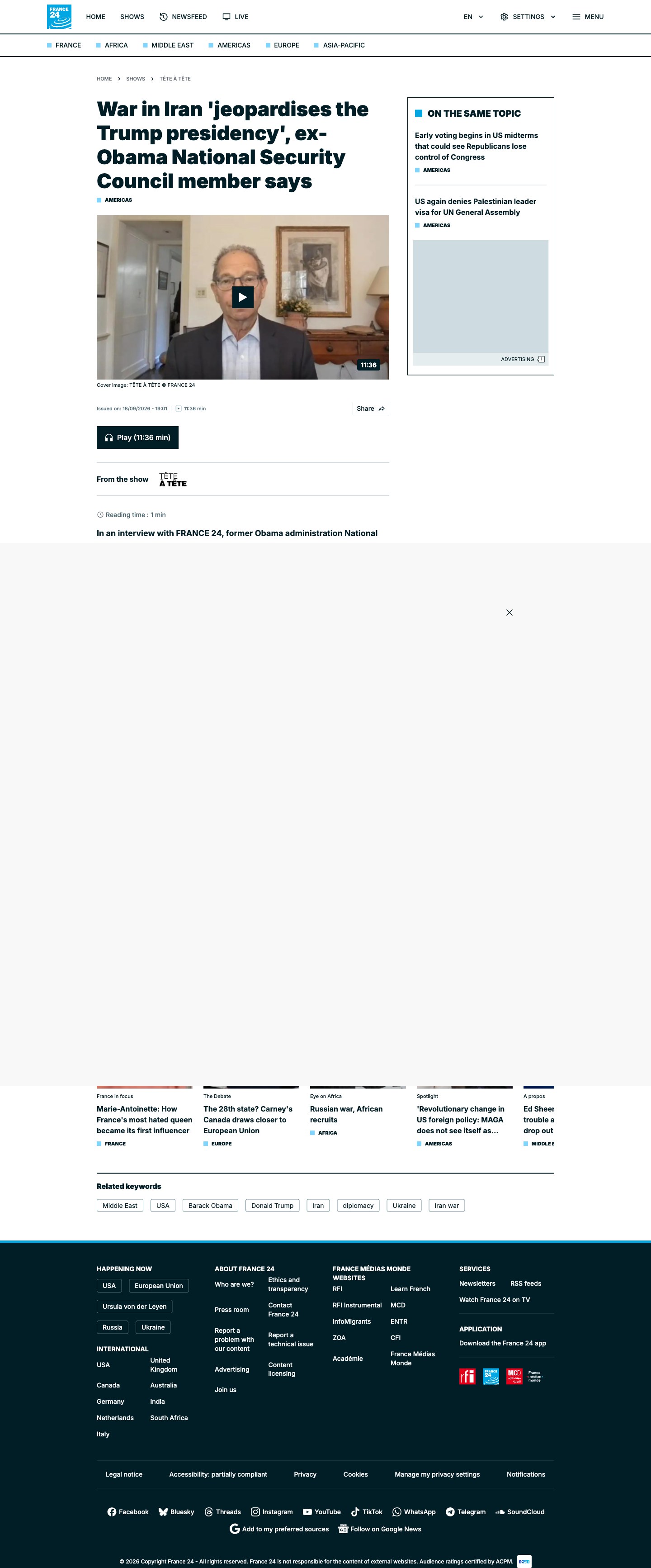 | author: | Unknown | institution: | France 24 | ¿porque no los dos? |
| tl;dr | The visible France 24 page previews an interview with a former Obama administration National Security Council member who argues that war in Iran jeopardises Donald Trump’s presidency. The headline presents this as the guest’s assessment, not an established outcome. Most of the article text is obscured, and the interview itself cannot be assessed from these screenshots. | ||||
| deeper: | The headline foregrounds a dramatic prediction from one former administration official, giving the visible coverage a narrow perspective. However, quotation marks and explicit attribution distinguish opinion from fact. Criticism of Trump alone does not establish a left–right position. The page supplies publication details and an interview format, but the obscured text prevents evaluation of evidence, questioning, context or competing views. The quality score applies only to the material visible here. | ||||
media: No Media Preview | |||||
| gen: 2026/09/18:18:45 in 36.9 secbias: 3 (Center) |
| type: colorquality: 72 |
| pts: 0 |
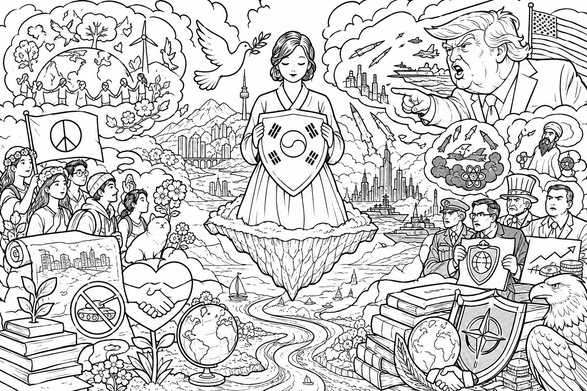
#us-foreign-polic#south-korea#iran-conflict#military-allianc#diplomatic-strat#south korea#lee jae myung#donald trump#iran#strait of hormuz#military policy
Leftist
This decision marks a bold stand for peace and sovereignty against yet another dangerous US initiative in the Middle East. South Korea is prioritizing its citizens’ will and rejecting military pressure from Trump’s imperialistic demands. History reminds us of the chaos that followed compliance in US-led wars. The refusal shows courage, thinking beyond capitalist interests and valuing diplomatic solutions. South Korea sets a precedent against warmongering empires, embodying globalization with empathy and peace.
Rightist
South Korea's decision smacks of a troubling defiance of global commitments. Trump’s stance was clear: allies must contribute to preserving regional stability and security. Turning away from this responsibility showcases a lack of strategic foresight. History warns us that appeasement risks emboldening adversaries like Iran. Economic interests are secondary to maintaining a strong defense posture. South Korea’s refusal could jeopardize relations and embolden rogue regimes, weakening alliances.
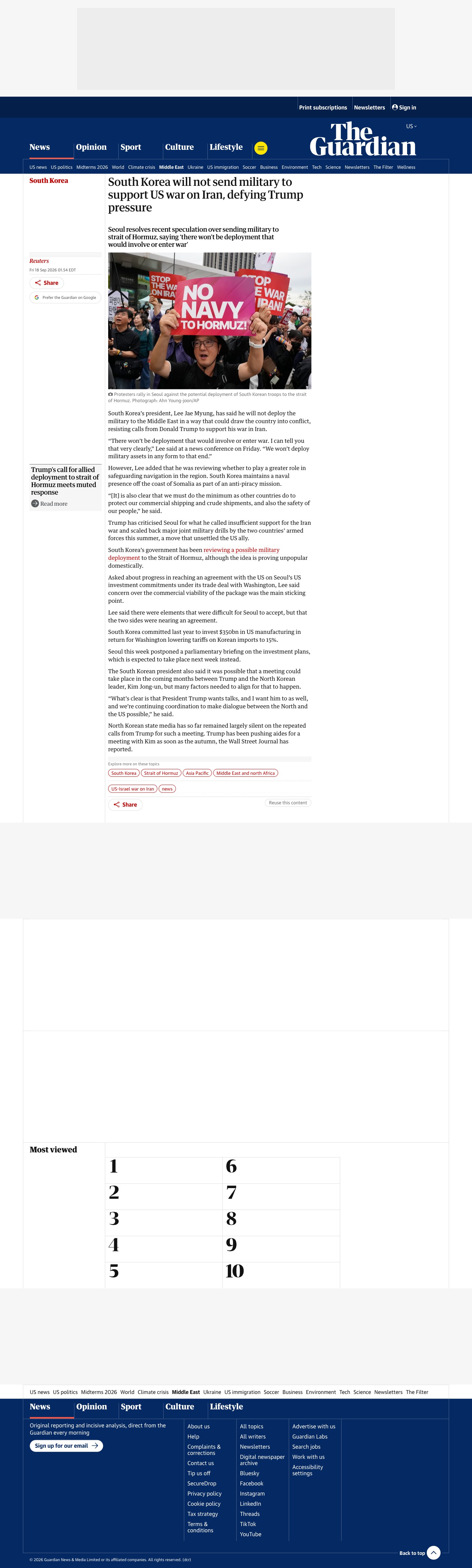 | author: | Reuters | institution: | The Guardian | ¿porque no los dos? |
| tl;dr | South Korean president Lee Jae Myung says the country will not deploy forces in ways that would draw it into the Iran war, while considering measures to protect shipping and citizens. The article describes US pressure for support and domestic opposition to deployment. It also reports continuing negotiations over South Korea’s $350bn US investment commitment and the possibility of talks between Donald Trump and North Korean leader Kim Jong-un. | ||||
| deeper: | Direct quotations support the central account, and the article includes Lee’s willingness to protect shipping, adding nuance. However, the headline sounds more categorical than his qualified rejection of war-related deployments. “His war” and “defying Trump pressure,” alongside the protest photograph, emphasize confrontation. These choices do not establish a clear left-right ideology. Reporting relies heavily on Lee, without a direct US response or evidence quantifying domestic opposition. The screenshot’s authenticity and factual claims cannot be independently verified here, and the ending is cut off. | ||||
| gen: 2026/09/16:05:20 in 32.3 sec (old)bias: 4 (Unknown) |
| type: lolsquality: 73 |
| pts: 0 |
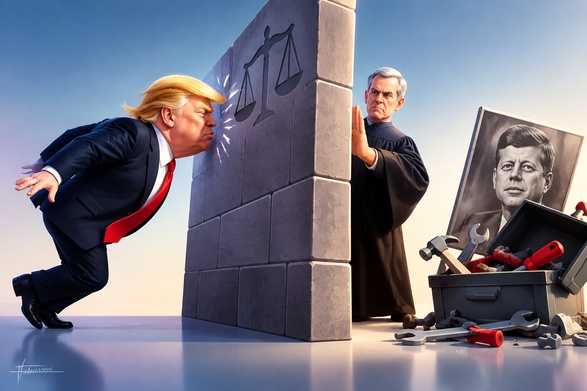
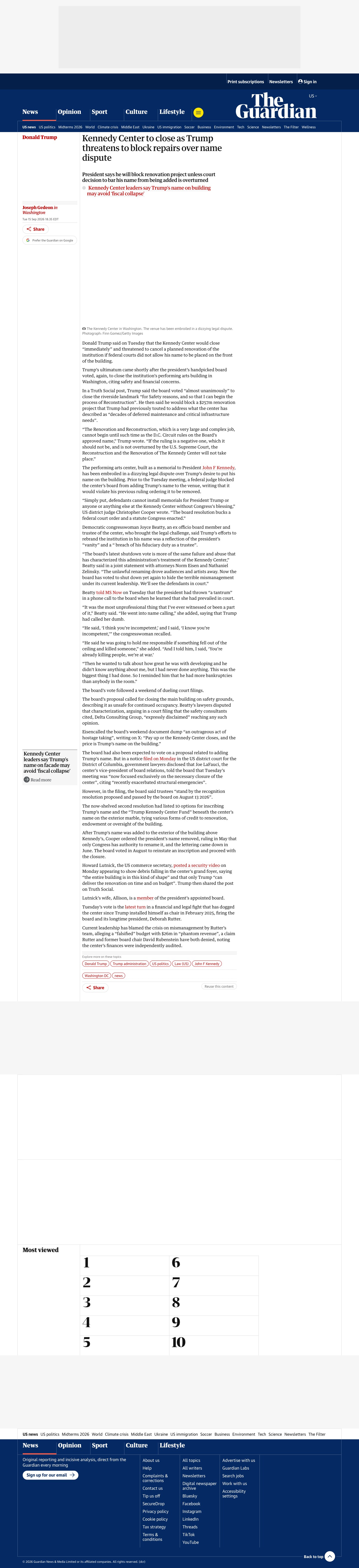 | author: | Joseph Gedeon | institution: | The Guardian | ¿porque no los dos? |
| tl;dr | The article reports that Donald Trump announced the Kennedy Center’s immediate closure and threatened to cancel a $257 million renovation unless courts permit his name on the building. Its board cites safety and financial concerns, while congresswoman Joyce Beatty and her lawyers dispute the safety justification and accuse leadership of mismanagement. The report describes court rulings reserving naming authority to Congress, competing legal filings, and claims of structural deterioration. | ||||
| deeper: | The report provides substantial direct quotations, named sources, legal context, and the board’s safety rationale. However, extended accounts of personal insults and strongly worded criticism give opponents disproportionate space. Phrases such as “dizzying legal dispute” add editorial color. This creates a critical framing without clearly affirming a left- or right-wing agenda. Independent assessment of structural safety and financial conditions is missing. The screenshots alone cannot verify the reported events, and the ending is cut off. | ||||
| gen: 2026/09/14:19:31 in 34.6 sec (old)bias: 1 (Center) |
| type: newsquality: 45 |
| pts: 0 |
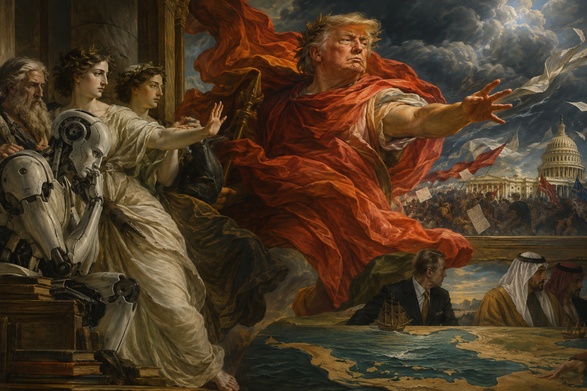
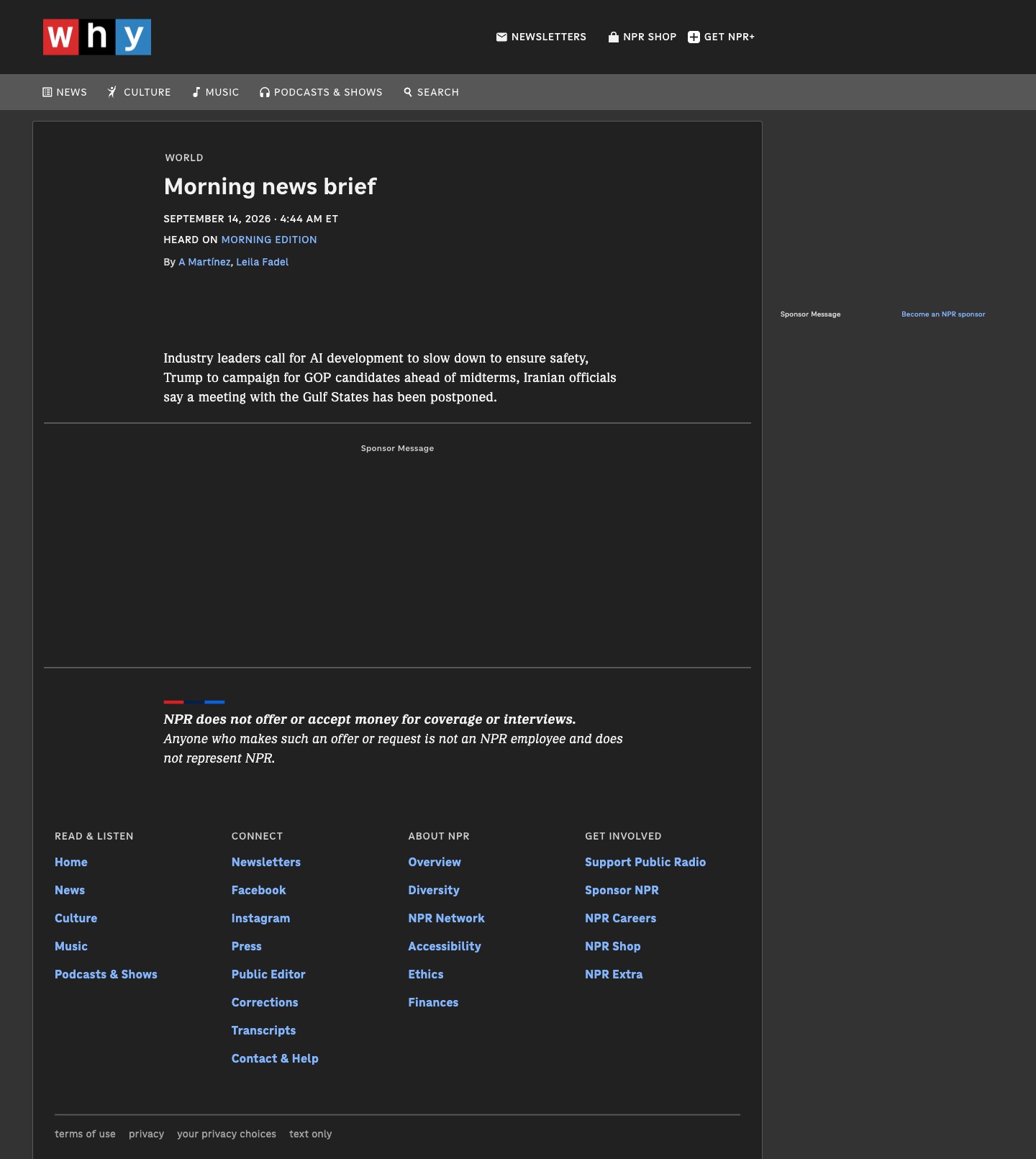 | author: | A Martínez, Leila Fadel | institution: | NPR | ¿porque no los dos? |
| tl;dr | The visible Morning Edition brief lists three developments: industry leaders calling for slower AI development to address safety, Donald Trump planning to campaign for Republican candidates ahead of the midterms, and Iranian officials reporting a postponed meeting with Gulf states. The page provides only a short overview, without detailed reporting or a transcript. | ||||
| deeper: | The wording is restrained and shows no clear partisan preference. Calls to slow AI development are attributed to industry leaders rather than endorsed, and the political and diplomatic items are presented neutrally. However, the visible text names no industry leaders or Iranian officials and supplies no evidence, explanation, or competing perspectives. It works as a headline roundup, but its brevity limits verification and depth. These scores apply only to the material shown. | ||||
media: No Media Preview | |||||
| gen: 2026/09/11:15:37 in 35.2 sec (old)bias: 3 (Center) |
| type: newsquality: 48 |
| pts: 0 |
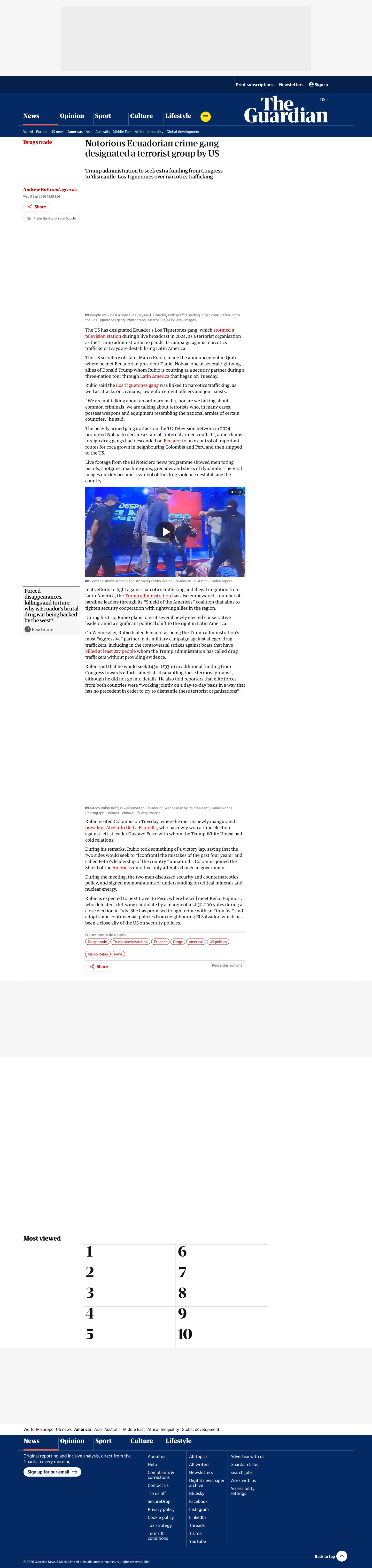
#ecuador#organized crime#terrorism#drug trade#us politics#los tiguerones#marco rubio#daniel noboa#donald trump#drug trafficking
| gen: 2026/08/30:02:29 in 39.9 sec (old)bias: 4 (Center-Left) |
| type: lolsquality: 78 |
| pts: 0 |
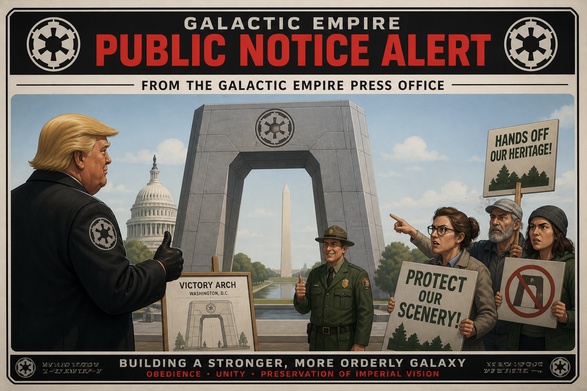
#washington dc#donald trump#monuments#preservation#trump#nps#white house#national mall#monument area

| gen: 2026/07/30:18:44 in 2 min 33.7 sec (old)bias: 6 (Center-Left) |
| type: lolsquality: 78 |
| pts: 0 |
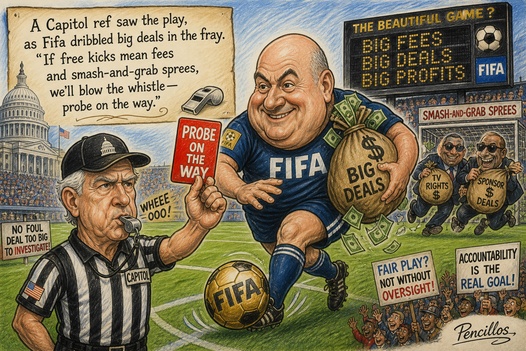
#soccer#fifa#congress#investigation#worldcup#world cup#2026 wc#us congress#donald trump#ethics probe
 | author: | Joseph Gedeon | institution: | The Guardian | ¿porque no los dos? |
| tl;dr | The screenshot shows a Guardian news report arguing that FIFA’s decision to keep the 2026 World Cup in North America could spark US congressional scrutiny if former president Donald Trump attempts to use the event for political or commercial gain. It notes lawmakers’ concerns about conflicts of interest and references past controversies around FIFA and prior US investigations. The piece frames the issue as a governance and ethics risk: the World Cup’s massive commercial footprint could intersect with campaign politics and oversight responsibilities in Washington. | ||||
| deeper: | The article is largely fact-driven (institutional roles, prior FIFA scandals, and plausible oversight triggers), but its framing leans toward suspicion of Trump’s motives and foregrounds ethical risk and potential wrongdoing without showing specific new evidence of misconduct—more anticipatory than demonstrative. Sourcing appears to rely on political voices and inference about conflicts-of-interest rather than documents or multiple independent confirmations. Writing and context are strong, but the headline and narrative are somewhat speculative, which lowers quality modestly. | ||||
| gen: 2026/07/15:04:30 in 1 min 12.6 secbias: 4 (Center-Left) |
| type: emojiquality: 82 |
| pts: 1 |
#legal#defamation#sexual abuse#court ruling#politics#e. jean carroll#donald trump#manhattan court#damages','intere
 | author: | Bill Chappell | institution: | NPR | ¿porque no los dos? |
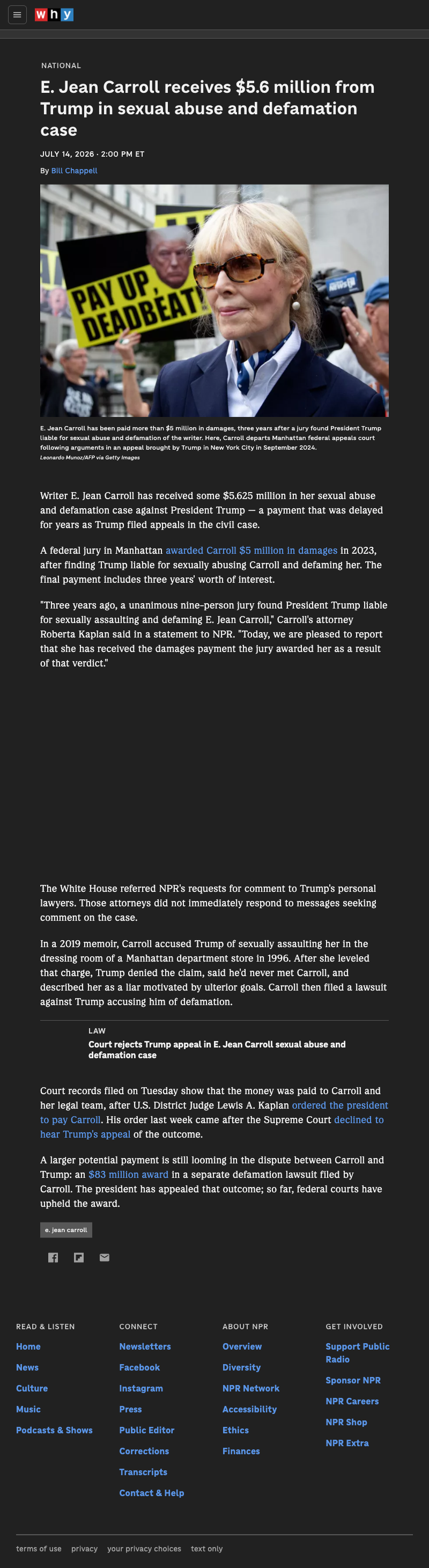
| tl;dr | A short NPR report says writer E. Jean Carroll has received roughly $5.625 million from Donald Trump in her civil sexual abuse and defamation case. The payment represents the 2023 jury award (about $5 million) plus roughly three years of interest after Trump’s appeals delayed payment. The piece notes a judge’s recent order to pay following the Supreme Court’s refusal to hear Trump’s appeal, and mentions a separate, larger defamation judgment for Carroll of about $83 million that is still under appeal. Trump’s lawyers did not respond to NPR’s requests for comment. | ||||
| deeper: | The article is concise, sticks closely to court records, and provides a clear timeline: the 2023 jury verdict, subsequent appeals, a Supreme Court denial, the district judge’s order, and the ultimate transfer of funds including interest. It cites on-record statements (Carroll’s attorney) and notes attempts to obtain comment from Trump’s legal team. However, it relies primarily on one side’s quotes and features a confrontational protest photo, which tilts tone slightly against Trump. Additional balance could include more legal arguments from Trump’s filings or independent legal analysis. Overall sourcing and clarity are strong, with minimal speculative language. | ||||
media: No Media Preview | |||||
| gen: 2026/07/15:04:18 in 1 min 18.4 sec (old)bias: 3 (Center-Left) |
| type: newsquality: 74 |
| pts: 0 |
 | author: | Daniel Ofman, Don Gonyea, Zephyr Weinreich, and Adam Raney | institution: | NPR | ¿porque no los dos? |
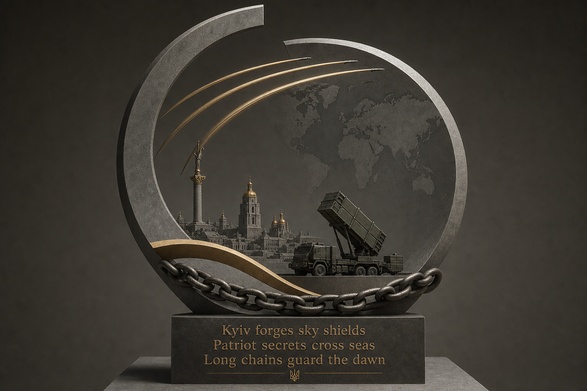
| tl;dr | An NPR interview with Seth Jones of the Center for Strategic and International Studies examines the implications of Ukraine receiving U.S. permission to produce Patriot air-defense interceptors. Jones says the arrangement could strengthen Ukraine’s long-term ability to defend its cities and military targets, reduce its dependence on limited U.S. supplies, and signal to Russia that Ukraine can sustain a prolonged war. However, production would likely take at least a year, possibly several years, because Patriot systems require complex components, specialized technology, and a large international supply chain. The interview also notes that licensing may not grant Ukraine access to every sensitive component. | ||||
| deeper: | The segment is focused, intelligible, and transparent about its central source: Seth Jones, a defense expert at CSIS. The host asks useful follow-up questions about capabilities, production timelines, licensing restrictions, supply shortages, and the war’s duration. The discussion includes meaningful limitations rather than presenting domestic production as an immediate solution. Its main weakness is that it relies almost entirely on one analyst and does not include Ukrainian, Russian, U.S. government, or independent manufacturing perspectives. Several claims—such as licensing details, interceptor inventories, and production timelines—are presented without supporting documents or additional verification. The framing is generally sympathetic to Ukraine’s defensive needs and emphasizes the benefits of continued Ukrainian resistance, giving it a mild Center-Left orientation, but it does not use strongly partisan language or conceal the practical obstacles. The displayed date, July 12, 2026, is also future-dated relative to the available context, so the underlying announcement cannot be independently assessed here. | ||||
media: | |||||


owned and operated by: RPN Omnigalactic Insitutution as of: 2026/10/14: 17:06 in 0 ms
Enter Code
Login with Account